
























Nigeria’s confirmation of an imported Ebola case in the Federal Capital Territory has renewed attention on the disease, how it spreads and the measures people can take to protect themselves.
The Federal Government confirmed the case on 20 October 2026 after laboratory tests detected the Bundibugyo virus in a woman who had recently travelled to Nigeria. The patient was placed in isolation and was receiving medical care, while public health authorities began tracing people who might have been exposed to the infection.

According to the World Health Organisation (WHO), 44 contacts had been identified for monitoring at the time of the announcement. The government also intensified surveillance and infection prevention measures at the health facility where the patient had received treatment.
But what exactly is Ebola, how does it spread, and what should Nigerians know about protecting themselves?

What is Ebola?
Ebola is a severe infectious disease caused by viruses belonging to the orthoebolavirus group. It can cause serious illness and death, although early diagnosis and appropriate medical care can improve a patient’s chances of survival.
Several viruses can cause Ebola-related diseases, including Ebola virus, Sudan virus and Bundibugyo virus. The virus responsible for an infection matters because vaccines and specific treatments available for one type may not work against another.
Nigeria’s confirmed case involves the Bundibugyo virus, which causes Bundibugyo virus disease. The WHO has stated that there is currently no approved vaccine or specific treatment for this disease, although supportive medical care can improve outcomes.
How does Ebola spread?
Ebola spreads primarily through direct contact with the blood or other body fluids of a person who is sick with the disease or has died from it. Transmission can also occur through contact with objects contaminated with infected body fluids.
Such fluids include blood, vomit, faeces and other bodily secretions. Contaminated bedding, clothing, medical equipment and surfaces can pose risks if handled without appropriate precautions.
The disease can also pass from infected animals to humans through contact with infected wildlife, including certain bats and primates, particularly when animals are handled, butchered or found dead.
People do not transmit Ebola before symptoms begin. However, someone who develops the disease can infect others through direct exposure to infectious body fluids. People who provide care without adequate protective equipment and those who handle the bodies of people who have died from Ebola face particular risks.
Ebola is not spread simply by being in the same city as an infected person. Understanding the actual routes of transmission is important to preventing panic and avoiding discrimination against people who may have been exposed.
What are the symptoms of Ebola?
Symptoms can appear between two and 21 days after infection. Early signs may resemble those of other illnesses, making medical assessment and laboratory testing important.
Common symptoms include:
– Sudden fever
– Severe weakness and fatigue
– Headache
– Muscle pain
– Sore throat
– Vomiting
– Diarrhoea
– Abdominal pain
– Skin rash in some cases
Some patients may develop bleeding, including internal or external bleeding, particularly as the illness progresses. However, bleeding does not occur in every case and is not necessarily an early symptom.
Because the initial symptoms can resemble malaria and other infections common in Nigeria, people should not attempt to diagnose themselves. Anyone who develops compatible symptoms after a possible exposure should contact public health authorities or a healthcare professional immediately and explain the exposure or travel history.
How can people protect themselves?
Preventing Ebola requires good hygiene, awareness of possible exposure and prompt cooperation with public health authorities.
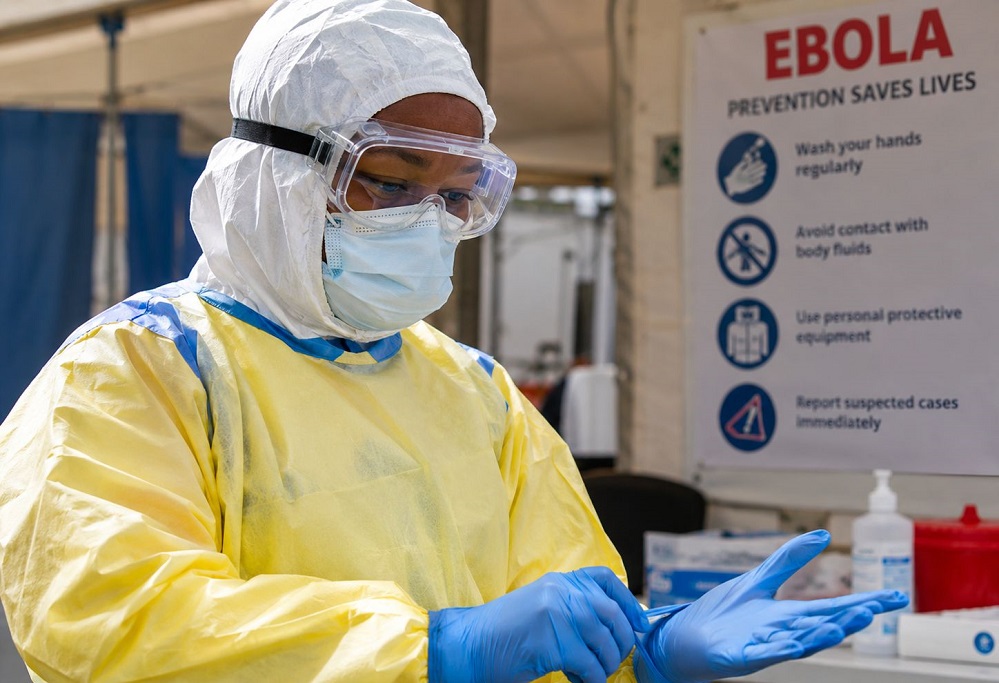
The following measures can help reduce the risk of infection:
1. Practise regular hand hygiene. Wash your hands thoroughly with soap and running water. An appropriate alcohol-based hand sanitiser can also be used when suitable.
2. Avoid contact with body fluids. Do not touch the blood, vomit, faeces or other body fluids of anyone suspected or confirmed to have Ebola. Do not handle contaminated clothing, bedding or medical materials without appropriate protection.
3. Seek professional guidance after possible exposure. If public health officials inform you that you have been exposed, follow their instructions and participate in the required monitoring. Do not wait for symptoms before reporting a known exposure.
4. Call before visiting a health facility if you develop symptoms after possible exposure. Contact public health authorities or a healthcare facility for instructions so that appropriate precautions can be arranged.
5. Avoid handling sick or dead wildlife. Contact with potentially infected animals and their body fluids can expose people to Ebola-related viruses.
6. Follow official health advisories. Obtain information from the Nigeria Centre for Disease Control and Prevention (NCDC), the Federal Ministry of Health and Social Welfare, and the WHO rather than relying on unverified social media posts.
7. Avoid stigma. People who have been exposed to Ebola are not necessarily infected. Contact tracing and monitoring are public health measures intended to identify risks and prevent further transmission.
Is there a vaccine or treatment for Ebola?
The answer depends on the virus responsible for the disease.
The WHO has approved and recommended specific vaccines and treatments for disease caused by the Ebola virus. However, these products should not be assumed to protect against every virus in the same group.

For Bundibugyo virus disease, there is currently no approved vaccine or specific antiviral treatment. Medical care focuses on supporting the patient, including maintaining hydration, managing symptoms and treating complications.
Early access to appropriate healthcare is important. Patients should be treated by trained medical personnel using the necessary infection prevention and control measures.
What is the Nigerian government doing?
Following confirmation of the case on 20 October, the Federal Government, the NCDC and the FCT Health Services Secretariat began coordinating the response.
The initial measures included isolating the patient, identifying and monitoring close contacts, strengthening surveillance and improving infection prevention procedures at the healthcare facility where the patient had received treatment.
The Federal Government also directed public and private healthcare facilities nationwide to remain alert for suspected cases and to report them promptly to public health authorities.
Contact tracing is a key part of the response because it helps officials identify people who may have been exposed, monitor their health and arrange further action when necessary.
Nigeria previously contained an Ebola outbreak in 2014 through measures that included rapid identification of cases, isolation, contact tracing and coordinated public health action. That experience provides useful lessons, although the current situation requires measures appropriate to the Bundibugyo virus.
The number of contacts identified in the initial announcement should not be interpreted as the number of people infected. Contact tracing is a precautionary process, and the situation may change as investigations progress.
What should Nigerians do now?
Nigerians should remain informed and vigilant without panicking. A confirmed case requires a serious public health response, but it does not mean that everyone in the country has been exposed or that widespread transmission has occurred.
People who have not had a relevant exposure should continue their normal activities while observing good hygiene and following official advisories. Those contacted by public health officials should cooperate fully with monitoring and other recommended measures.
Anyone who suspects exposure or develops compatible symptoms after a possible exposure should seek instructions from public health authorities promptly rather than attempting to manage the situation alone.

The public can contact the NCDC on its toll-free line, 6232, for information or to report a suspected case, as stated in the agency’s current public guidance.
Ebola control depends on early detection, appropriate medical care, effective contact tracing, reliable public information and community cooperation. Understanding how the disease spreads is one of the most practical ways people can help protect themselves and others.
Sources: World Health Organisation (WHO), Federal Ministry of Health and Social Welfare, and Nigeria Centre for Disease Control and Prevention (NCDC).










 EduTimes Africa, a product of Education Times Africa, is a magazine publication that aims to lend its support to close the yawning gap in Africa's educational development.
