






















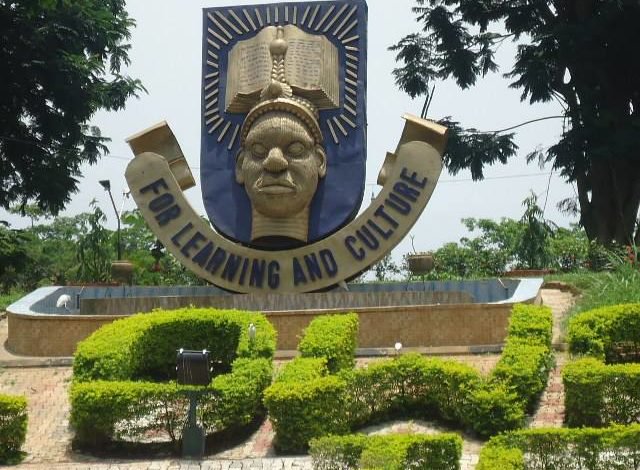


The news of the death of Professor Wale Omole, former Vice-Chancellor of Obafemi Awolowo University (OAU), Ile-Ife, has brought back memories of one of the darkest and most controversial chapters in the history of the university.
Professor Adebowale Omole, who died on November 11, 2026, at the age of 84, served as Vice-Chancellor between 1991 and 1999. His tenure remains one of the most debated periods in the university’s history, particularly because of the controversy surrounding campus cultism and the tragic killing of five students.

Although he was not convicted of orchestrating the killings, his administration faced serious accusations and public criticism over its handling of the security crisis that rocked the university. The controversy eventually contributed to his removal from office following student protests.
For many who were students at OAU during that period, the name Wale Omole may bring back painful memories. For others, particularly those who came much later, his name represents a chapter in the university’s history that has continued to shape campus culture.

I belong to the latter generation.
I was not a student when these events unfolded. I did not witness the protests, the killings or the tension that characterised the university at the time. However, I encountered the aftermath through the stories, warnings, conversations and institutional culture that had become part of campus life. I joined in the memorial lectures “at the level of Awo Cafe” and remembrance programs to celebrate the sacrifice paid by Afrika and others.
By the time I became a student of OAU, the message was already deeply established: “Say NO to Campus Cultism”!
It was more than a slogan. It was almost a campus identity.
I met a university community that was highly conscious of the dangers of cultism. Students were particularly sensitive to anything that suggested a return to the dark days. The fear and memories of what had happened appeared to have been passed down from one generation of students to another.

In a way, we inherited a university culture shaped by the painful experiences of students we never met.
That is how deeply certain events can influence an institution. You do not necessarily have to witness a tragedy to experience its consequences. Sometimes, you inherit its lessons, fears and struggles.
Today, as the academic community reflects on the life and death of Professor Wale Omole, it is important to recognise that his legacy is more complicated than his achievements as an animal scientist, university administrator and cultural advocate.

He was the first alumnus of the University of Ife to become its Vice-Chancellor, a significant milestone in the institution’s history. Yet, his tenure will also remain associated with the controversy surrounding campus violence and the tragic loss of student lives.
Death should invite compassion, not the erasure of history.
It is possible to acknowledge someone’s contributions to society while honestly examining the controversies that defined their public life. Mourning a former university administrator should not mean abandoning the responsibility to remember the students whose lives were cut short during his tenure.
Universities are supposed to be places of intellectual freedom, personal development and the pursuit of knowledge. They should never become environments where students live in fear of violence, intimidation or secret societies.
Perhaps the greatest lesson from that difficult chapter in OAU’s history is that the safety of students must always come before institutional reputation, administrative interests or personal ambitions.
Professor Wale Omole is gone, but the history of his administration remains. And for those of us who came after that troubled era, the message we inherited must never be forgotten.
Campus cultism must never find a home in our universities.
May his soul rest in peace.











 EduTimes Africa, a product of Education Times Africa, is a magazine publication that aims to lend its support to close the yawning gap in Africa's educational development.