






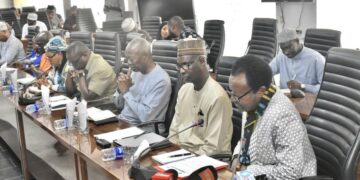




















Uganda has validated five strategic documents aimed at transforming Science, Technology, Engineering and Mathematics (STEM) education, as the country moves to strengthen practical learning, improve school infrastructure and promote innovation among learners.
The validation exercise was organised by the Ministry of Education and Sports in collaboration with UNESCO, with support from the Chinese government. It brought together education policymakers, curriculum specialists, teacher educators, school administrators, laboratory technicians and development partners at Ikorom Safari Lodge in Pakwach.

The five documents are designed to guide the implementation of inclusive STEM education and support Uganda’s Competency-Based Curriculum. They cover STEM skills needs, school laboratory infrastructure, gender-responsive learning materials, guidelines for STEM hubs and a roadmap for selecting pilot schools.
Speaking during the workshop, Ronald Dungu of the Ministry of Education and Sports emphasised the need to move away from conventional content-based teaching towards approaches that encourage learners to investigate, solve problems and develop innovative ideas.

He said methods such as project-based learning, learning stations and practical investigations would make classroom activities more engaging and help improve learners’ participation.
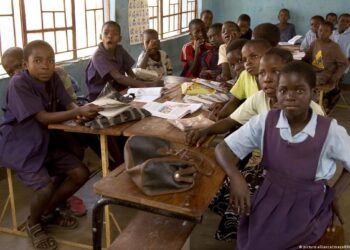
Assessments conducted in 16 schools across Uganda identified several challenges affecting STEM education, including overcrowded classrooms, inadequate laboratory facilities, limited access to information and communication technology, shortages of laboratory technicians and examination-driven teaching practices.
Despite these challenges, the assessment noted increased adoption of learner-centred teaching approaches and practical activities under the Competency-Based Curriculum.
The UNESCO Uganda Antenna Office Coordinator, Charles Draecabo, said the validation exercise was important in ensuring that proposed interventions reflected the realities of Ugandan schools and could support effective curriculum implementation.
Participants also stressed the importance of gender equality and inclusive education, particularly in addressing barriers faced by girls, learners with disabilities and other vulnerable groups in accessing STEM opportunities.


The workshop further validated standard operating procedures for laboratory management, safety, equipment maintenance and inventory control. The proposed guidelines will also support the establishment of school-based and regional STEM hubs to promote practical learning, digital innovation, mentorship and teacher development.
Uganda is expected to use the validated frameworks to guide pilot implementation and strengthen the teaching of science and technology across its education system.
Source: UNESCO.











 EduTimes Africa, a product of Education Times Africa, is a magazine publication that aims to lend its support to close the yawning gap in Africa's educational development.