

























The Zambian government has ordered the redistribution of 1,558 teachers from urban schools in Kitwe and Ndola to rural districts facing acute shortages of teaching personnel.
Copperbelt Province Minister, Emmanuel Kasambo, disclosed that the two urban districts had more teachers than their schools required, while several rural communities continued to struggle with inadequate staffing.


According to him, Kitwe has an excess of 1,247 teachers, comprising 548 secondary school teachers and 699 primary school teachers. Ndola accounts for another 311, including 152 secondary school teachers and 159 primary school teachers.
Kasambo raised the concern during a media briefing following a meeting with teachers’ union representatives, describing the situation as an unacceptable imbalance in the distribution of teachers.

He said some urban schools operated a rotation arrangement known locally as the ‘ichilimba’ system, under which four or five teachers reportedly shared one class, with one teacher taking lessons for a week while others remained away from teaching duties.
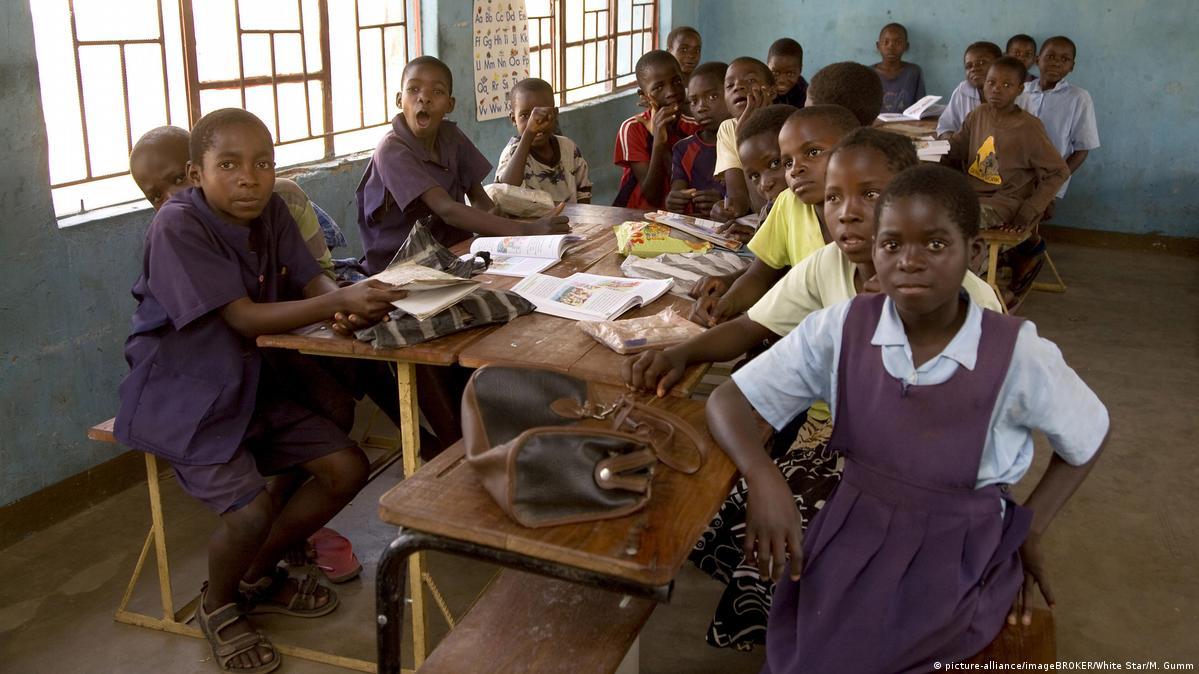
The minister said the situation was particularly troubling because rural districts such as Lufwanyama and Mpongwe were experiencing significant shortages. Lufwanyama reportedly had a deficit of 240 teachers, while Mpongwe lacked 639 teachers.

He added that some rural schools had only two or three teachers responsible for learners from Early Childhood Education to Grade Nine, raising concerns about the quality of teaching and learning in the affected communities.
Kasambo has directed the Provincial Education Officer and the Copperbelt Permanent Secretary, Lawrence Mwanza, to begin redistributing the excess teachers to rural schools where their services are needed.
He also warned that teachers who refused rural deployment could be removed from the government payroll to create opportunities for those willing to serve in underserved communities.
The minister further criticised the practice of teachers seeking transfers from rural schools to urban centres after serving for only a few months, insisting that staffing decisions must prioritise the needs of learners.
The development comes amid broader concerns about equitable teacher distribution and access to quality education in Zambia, particularly in rural communities where inadequate staffing continues to affect learning outcomes.
Source: Lusaka Times.














 EduTimes Africa, a product of Education Times Africa, is a magazine publication that aims to lend its support to close the yawning gap in Africa's educational development.