
























































The Joint Admissions and Matriculation Board (JAMB) has reaffirmed its cashless registration policy for the 2026 Unified Tertiary Matriculation Examination (UTME) while warning candidates and stakeholders against registration infractions.
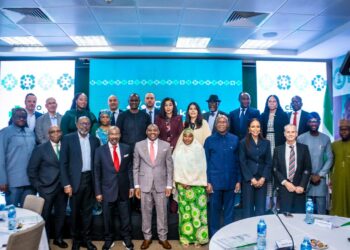
The Registrar of the Board, Prof. Is-haq Oloyede, issued the warning during an interactive session with JAMB management ahead of the commencement of sales of application documents and the registration exercise for the 2026 UTME and Direct Entry (DE).

Oloyede said the cashless regime remains in full force as part of efforts to prevent exploitation of candidates and ensure transparency in the registration process.
He cautioned against practices capable of undermining the credibility of the examination, including impersonation, extortion, image blending and morphing, group registration, batching, unauthorised movement of routers, multiple registrations and fingerprint donation.

Specifically, the Registrar warned candidates against “donating to or accepting fingers” to speed up biometric capturing, noting that such actions attract severe sanctions.
“Candidates are advised to ensure that only their own ten fingers are captured individually and correctly at the CBT centre,” he said.
Oloyede further stressed that multiple or double registrations, as well as the use of multiple National Identification Numbers (NINs) by a single candidate for impersonation or identity manipulation, are strictly prohibited and will be punished accordingly.
On payments, he explained that JAMB will continue with the centralised collection of all third-party fees, with remittances made to beneficiaries on a weekly basis.
The Registrar urged candidates, CBT centres and parents to comply strictly with JAMB guidelines, assuring that the Board is committed to a fair, transparent and credible 2026 UTME exercise.















 EduTimes Africa, a product of Education Times Africa, is a magazine publication that aims to lend its support to close the yawning gap in Africa's educational development.