



















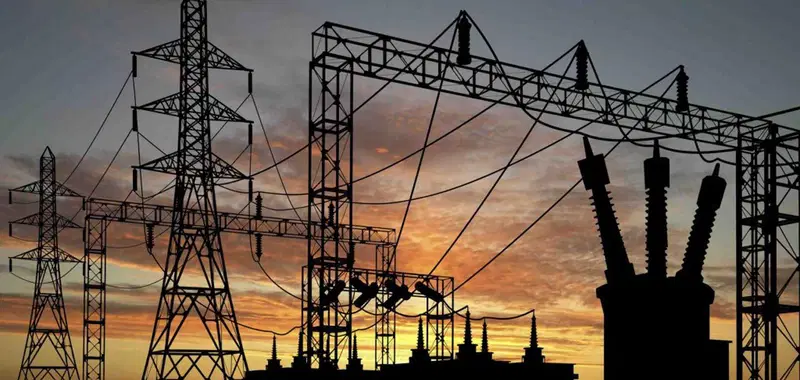


Across Africa, a select group of countries continue to distinguish themselves for achieving consistently high electricity-access rates. Their progress is driven by sustained infrastructure investment, diversified energy sources, and policies that prioritize nationwide connectivity.



While electricity-access rates serve as a useful indicator of reliable supply, challenges remain — particularly in reducing the gap between urban and rural electrification. The top four countries have reached near-universal or full access, a reflection of decades of strategic planning and national commitment.

—
1. Egypt — ~100% Access


Egypt leads the continent with virtually full electricity coverage. This achievement stems from long-term grid expansion and a diversified generation mix including hydro, thermal, and natural gas. Strong state investment in transmission and distribution continues to ensure reliable supply.
2. Morocco — 100% Access
Matching Egypt, Morocco has achieved full electrification across both rural and urban areas. The country’s success is powered by a bold push into renewable energy — particularly solar and wind — anchored in ambitious national energy strategies.
3. Tunisia — 100% Access
Tunisia reports complete national electricity access. Historically dependent on natural gas, the country is now enhancing its energy security by incorporating more renewable sources into its generation profile.

4. Algeria — 99.8% Access
Algeria boasts one of the continent’s highest access rates. Powered largely by natural gas and supported by consistent grid maintenance, Algeria’s network delivers stable supply to the vast majority of its population.
5. Gabon — 91.6% Access
Gabon stands out in Central Africa with strong urban electrification (nearly 99%). However, rural access remains a challenge. The country relies on hydropower and natural gas to maintain relatively stable electricity supply, especially in major cities.
6. Ghana — 85.9% Access
Ghana continues to expand its grid, particularly around urban and peri-urban areas where access reaches about 94%. Its diversified generation mix — hydropower, gas, oil, and others — supports its position as one of West Africa’s most electrified nations.
7. South Africa — 84.4% Access
Despite facing load-shedding and aging infrastructure, South Africa maintains one of the continent’s most advanced and regulated electricity markets. Historically powered by coal, the country is gradually integrating more renewables to stabilize supply.
8. Botswana — ~72% Access
Botswana’s electricity access is significantly higher in urban areas (around 91%). The country continues to expand rural access through grid extension and renewable-energy development. Its relatively small population makes systemwide stability more attainable.
9. Kenya — ~71% Access
Kenya has made remarkable progress, powered by one of Africa’s most diversified generation portfolios. Geothermal, hydropower, wind, and solar collectively reduce supply risk. Ongoing investments in rural electrification and mini-grids are essential to future gains.
10. Senegal — ~70% Access
Senegal rounds out the top ten with electricity-access rates around 70%. The country is improving supply reliability through a mix of conventional generation and growing investments in solar and wind. Grid expansion in key population centers remains a priority.








 EduTimes Africa, a product of Education Times Africa, is a magazine publication that aims to lend its support to close the yawning gap in Africa's educational development.