
























The Joint Admissions and Matriculation Board (JAMB) has concluded the accreditation of Computer-Based Test (CBT) centres for the 2026 Unified Tertiary Matriculation Examination (UTME), assuring candidates and parents of a more transparent, secure and improved examination process.



The nationwide accreditation exercise, which began on December 15, 2025, covered 848 CBT centres across the country. With the process now completed, JAMB says over 1,000 centres will be available for the 2026 UTME — the highest number in the Board’s history.

Speaking during the exercise, JAMB Registrar, Prof. Is-haq Oloyede, praised Chief External Examiners, technical teams, zonal directors and other stakeholders for their dedication. He stressed that only centres that met JAMB’s strict standards were approved, noting that the credibility of the UTME remains non-negotiable.

According to Prof. Oloyede, the 2026 UTME will introduce far-reaching technological improvements aimed at making the exam fairer, smoother and more reliable for candidates nationwide.

JAMB’s IT Consultant, Mr. Damilola Bamiro, explained that centres were first subjected to an automated system readiness test before physical inspection. He said accredited centres were required to meet global best practices, including effective CCTV surveillance, stable power supply, secure networks and improved biometric verification.

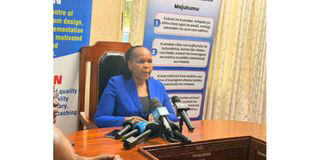
Also speaking, the Board’s Director of Information Technology Services, through her representative, highlighted the role of the Centre Management System (CMS) in monitoring CBT centres in real time and ensuring compliance throughout the examination period.
With the accreditation process concluded, JAMB reassured candidates, parents and the general public that the 2026 UTME will be conducted in a safe, secure and technology-driven environment, setting a new benchmark in the history of the examination.











 EduTimes Africa, a product of Education Times Africa, is a magazine publication that aims to lend its support to close the yawning gap in Africa's educational development.