




















































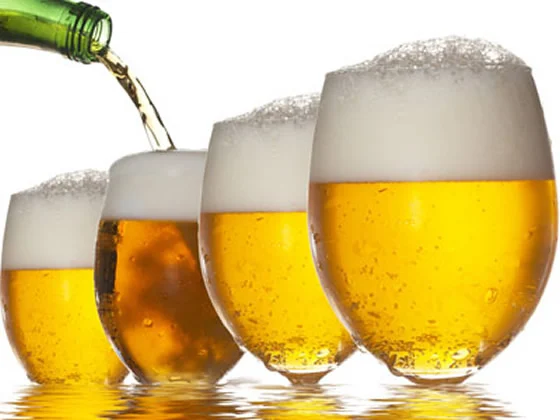


Nigerians spent an estimated ₦1.54 trillion on beer and other brewery products in the first nine months of 2025, according to an analysis of financial statements from major listed brewers.



Unaudited results from Nigerian Breweries Plc, International Breweries Plc and Champion Breweries Plc for the period ended September 30, 2025, show strong revenue growth, largely driven by beer sales despite rising production costs and economic pressures.

Nigerian Breweries Plc, the country’s largest brewer, recorded net revenue of ₦1.05 trillion during the period, up from ₦710.87 billion in the corresponding period of 2024. Cost of sales stood at ₦631.23 billion, resulting in a gross profit of ₦415.15 billion.
After accounting for selling and distribution expenses of ₦193.85 billion, administrative costs of ₦59.58 billion and finance costs of ₦39.15 billion, the company posted a profit after tax of ₦85.51 billion, reversing a loss of ₦149.50 billion recorded in 2024. Basic earnings per share rose to 275 kobo from a loss of 1,455 kobo a year earlier.

The brewer had earlier announced a return to profitability in the first quarter of 2025, reporting a 186 per cent year-on-year increase in net profit. Revenue for the quarter rose by 68.9 per cent to ₦383.6 billion.

International Breweries Plc recorded revenue of ₦472.57 billion for the nine-month period, up from ₦343.45 billion in 2024. The company posted a profit after tax of ₦57.83 billion, reversing a loss of ₦112.81 billion in the previous year.
Cost of sales increased to ₦311.64 billion, while administrative, marketing and distribution expenses rose to ₦92.09 billion. The company had earlier reported a ₦11.9 billion profit in the second quarter of 2025, compared with a ₦47.3 billion loss in the same period of 2024.

Champion Breweries Plc also recorded improved performance, posting revenue of ₦21.44 billion, up from ₦14.02 billion in the corresponding period of 2024. Profit after tax rose to ₦2.05 billion from ₦21.50 million. Cost of sales increased to ₦11.14 billion, while selling and distribution expenses rose to ₦4.24 billion.
Overall, the three companies generated a combined revenue of ₦1.54 trillion, with Nigerian Breweries accounting for the largest share.
Analysts say the figures underscore the resilience of Nigeria’s beer market, supported by strong brand loyalty and extensive distribution networks.
Commenting on consumer trends, the Head of Financial Institutions Ratings at Agusto & Co., Ayokunle Olubunmi, noted a gradual shift in consumption patterns, with some consumers reducing beer intake, prompting breweries to adjust their strategies.
He added that investments by major players, including capacity expansion following AB InBev’s acquisition of International Breweries, reflect efforts to scale operations and improve efficiency.
Meanwhile, the Chief Executive Officer of Economic Associates, Ayo Teriba, cautioned that rising sales figures do not necessarily translate into increased economic value.
“Bigger sales do not automatically mean greater economic contribution. What matters is the value added. GDP reflects net output, not just total sales,” Teriba said.














 EduTimes Africa, a product of Education Times Africa, is a magazine publication that aims to lend its support to close the yawning gap in Africa's educational development.