























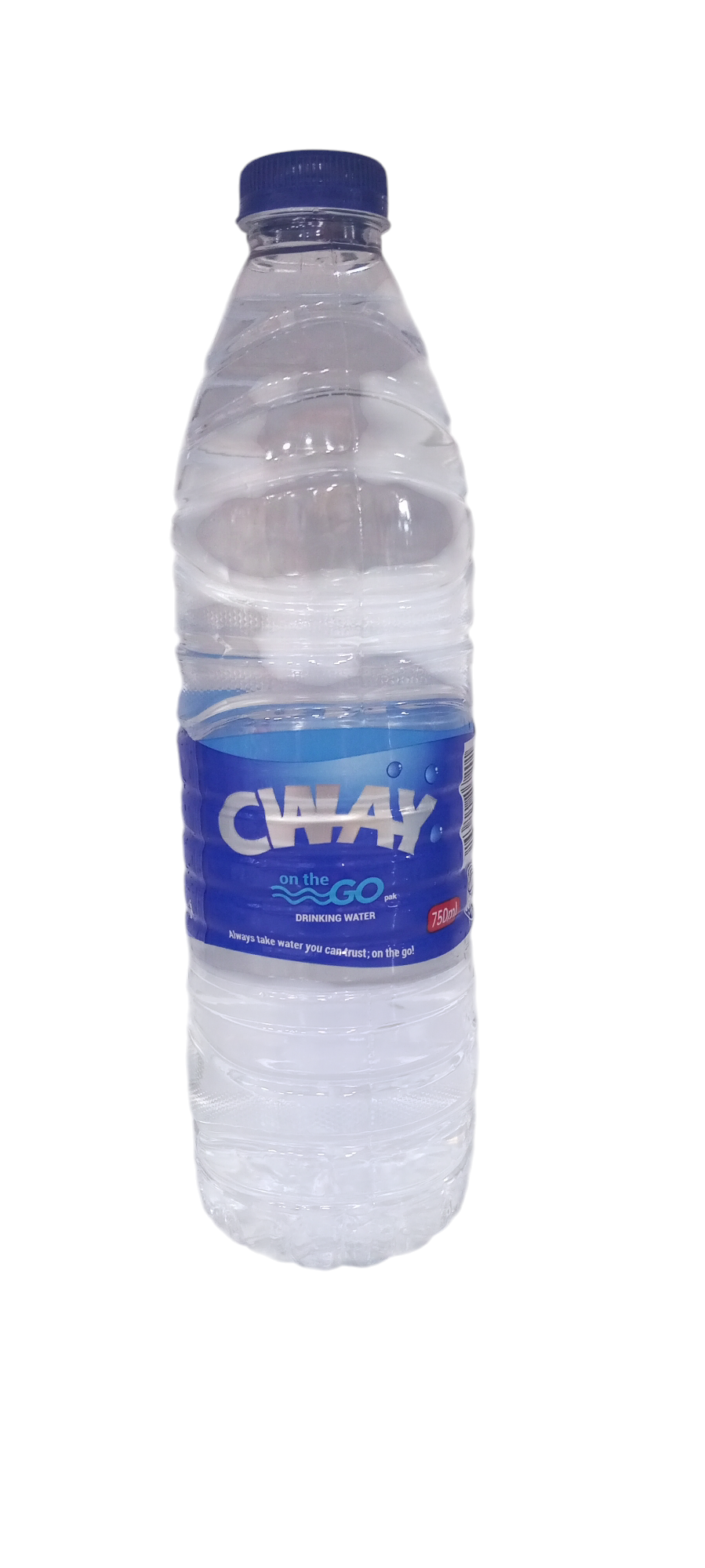


CWAY is a familiar household name in Nigeria, best known for its bottled water and beverage products. From offices to homes and roadside shops, the brand is widely consumed across the country. However, beyond its Nigerian presence lies an international ownership structure many consumers are unaware of. Here are five key facts you should know about CWAY.



1. CWAY Is Owned by a Chinese Company
CWAY Nigeria is a subsidiary of the CWAY Group, a Chinese manufacturing and investment company. The group operates in several countries and has interests in food, beverages, and consumer goods, with Africa being a major market.


2. CWAY Began Operations in Nigeria in 2001
CWAY entered the Nigerian market in 2001, initially focusing on bottled water production. Over the years, the company expanded its product range and built manufacturing plants across different parts of the country, positioning itself as a major player in Nigeria’s packaged water industry.
3. It Is One of Nigeria’s Leading Bottled Water Brands
CWAY has grown into one of the most recognised bottled water brands in Nigeria. Its wide distribution network, competitive pricing, and strong retail presence have helped it gain significant market share in both urban and semi-urban areas.

4. CWAY Has Expanded Beyond Bottled Water
Although best known for water, CWAY has diversified into other beverage and dairy products. The brand’s portfolio includes flavoured drinks and milk products, reflecting a broader strategy to dominate Nigeria’s fast-moving consumer goods (FMCG) market.
5. The Company Employs Thousands of Nigerians
Despite being foreign-owned, CWAY operates large-scale manufacturing facilities in Nigeria and employs thousands of Nigerians across production, logistics, sales, and administration. Its operations contribute to local employment and supply chains within the Nigerian economy.

Conclusion, CWAY’s success highlights how foreign-owned companies can become deeply embedded in local markets.
While the brand is Chinese-owned, its growth has been driven largely by Nigerian consumers and workers, making it a significant player in the country’s beverage industry.














 EduTimes Africa, a product of Education Times Africa, is a magazine publication that aims to lend its support to close the yawning gap in Africa's educational development.