




















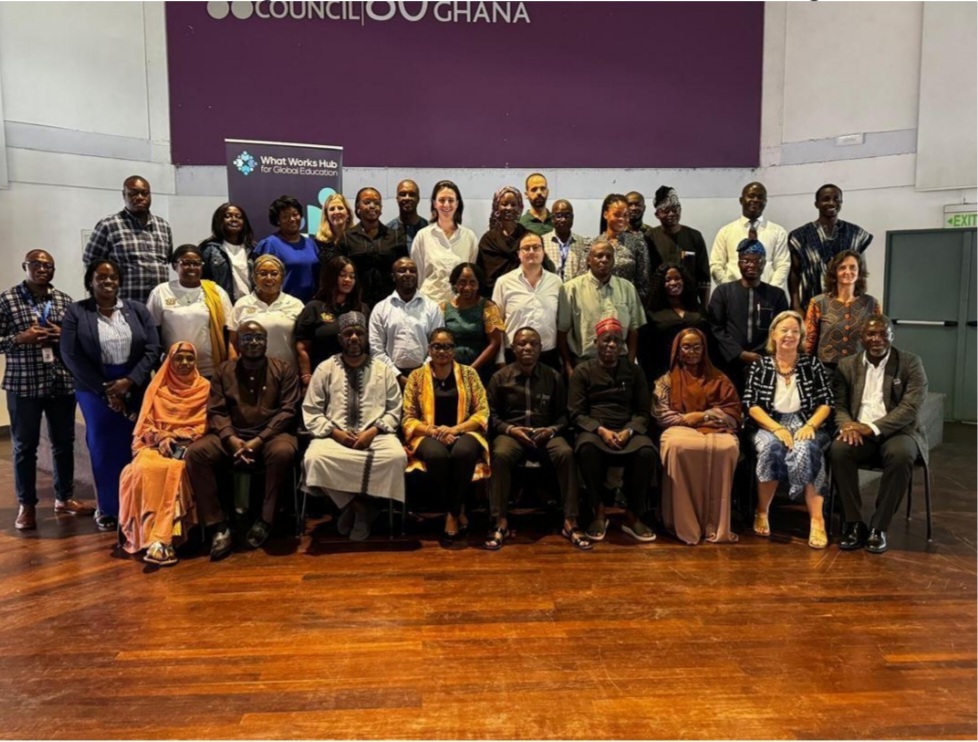


The governments of Ghana and Nigeria have agreed to strengthen collaboration in tackling the growing challenge of out-of-school children, with both countries set to sign a Memorandum of Understanding to formalise knowledge sharing on proven education models.

The agreement followed an official visit by a Nigerian delegation to Ghana from February 2 to 6, where officials understudied Ghana’s Complementary Basic Education programme, a catch-up initiative credited with returning about 90 per cent of its beneficiaries to formal schooling.

The delegation comprised representatives of Nigeria’s Federal Ministry of Education, officials from Kaduna and Kano states, as well as education development partners.
The United Kingdom facilitated the exchange through the British High Commissions in Accra and Abuja, with support from the British Council and UK-funded programmes such as Partnership for Learning for All in Nigeria and the What Works Hub for Global Education.

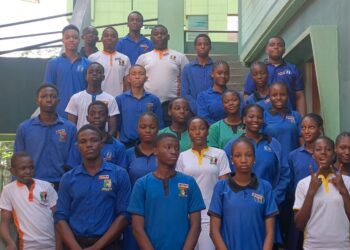
During the visit, the Nigerian team observed the implementation of Ghana’s Complementary Basic Education programme, a nine-month accelerated learning scheme designed for children aged eight to 16 who have missed out on formal education. The programme focuses on literacy and numeracy and is delivered through small class sizes, child-centred teaching methods and local language instruction.
Officials said the programme costs about $100 per child, making it a cost-effective intervention.
Nigeria currently has one of the highest numbers of out-of-school children globally. According to UNICEF, an estimated 18.3 million Nigerian children are not in school. Addressing the crisis forms a key component of the Education Sector Reform Initiative announced by the Minister of Education, Dr Tunji Alausa.
The Nigerian delegation visited schools in Ghana’s Northern Region, where they met with regional education authorities, community leaders and classroom teachers. They also observed coordination between national and local governments in implementing the programme.
Key features of Ghana’s model include strong community engagement, accelerated learning tailored to basic literacy and numeracy, and structured transition processes that reintegrate learners into mainstream schools while tracking their progress.
Speaking at a roundtable hosted by the British Council, the Executive Director of Ghana’s Complementary Education Agency, Hon. Daniel Kwesi Ashiamah, said the initiative places children at the centre of national education policy.
“The Ghanaian child is at the centre of the Ministry of Education’s policies, which call for this special programme to give them a second chance at education. The future of every nation hinges on the younger generation. Basic education is non-negotiable and not a favour done to children but rather to the nation,” he said.
Ashiamah noted that although the programme was previously donor-funded, it is now financed by the Government of Ghana and currently supports about 10,000 learners across 12 districts in four regions.


Also speaking, the Executive Director of Nigeria’s National Commission for Almajiri and Out-of-School Children Education, Dr Sani Idris, described the visit as an eye-opener.
“Our greatest takeaway from this visit is the remarkable level of collaboration and synergy across all tiers of government — from the national level to the regional and municipal authorities — reflecting a shared vision and coordinated and consistent approach,” he said.
He added that Ghana’s emphasis on community engagement and flexible learning models had been instrumental to its success.
“These lessons will strengthen our efforts in Nigeria, giving us renewed encouragement to do more in addressing the Almajiri and out-of-school children challenge for more positive outcomes,” Idris said.
Both countries pledged to continue working together to adapt successful strategies to their local contexts, in a move stakeholders say could significantly improve access to basic education and reduce the number of children excluded from schooling in West Africa.








 EduTimes Africa, a product of Education Times Africa, is a magazine publication that aims to lend its support to close the yawning gap in Africa's educational development.