


















































Rwanda has launched its first **Graduate and Doctoral Education Policy Framework** and **Research and Innovation Framework**, marking a significant step towards strengthening postgraduate education, improving research quality and driving innovation to support the country’s long-term socio-economic development.



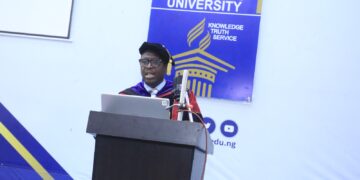
The new frameworks were unveiled during the **National Conference on Reimagining the Graduate, Research and Innovation Ecosystem**, which brought together university leaders, researchers, doctoral students, policymakers, government officials and development partners to explore strategies for enhancing doctoral training and building an innovation-led higher education system.

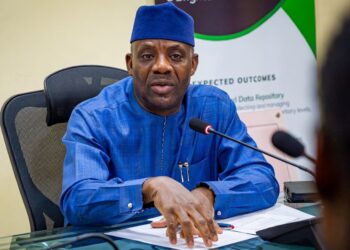
Speaking at the conference, Minister of Education **Joseph Nsengimana** described the reforms as a milestone in Rwanda’s pursuit of its **Vision 2050** agenda, which places knowledge, innovation and human capital at the centre of national development.
According to the minister, countries can no longer rely solely on natural resources to drive economic growth, noting that prosperity is increasingly determined by the ability to generate knowledge, commercialise innovation and develop skilled human capital.

He stressed that universities must evolve beyond their traditional role as centres of learning to become strategic institutions that generate research, foster innovation and contribute directly to national economic transformation.

Nsengimana acknowledged Rwanda’s progress in expanding access to higher education, strengthening digital infrastructure and improving research output. However, he noted that the country’s research ecosystem still falls short of the scale and impact required to achieve the ambitions of Vision 2050.
He identified several challenges, including limited doctoral output, weak collaboration between universities and industry, and research findings that often fail to address national priorities or translate into practical solutions.
The minister emphasised that research should serve as a catalyst for improving lives, shaping public policy, creating employment opportunities and addressing pressing societal challenges rather than remaining confined to academic publications.
While reaffirming the government’s commitment to expanding doctoral education, he maintained that quality, relevance and global competitiveness must remain central to postgraduate programmes. He urged universities to produce graduates capable of addressing challenges in agriculture, healthcare, education, artificial intelligence, climate resilience, manufacturing, energy and digital technologies.
Nsengimana also called for stronger efforts to commercialise university research, arguing that innovative ideas should be transformed into products, services and solutions capable of generating economic and social value.
Also speaking at the conference, **Eduard Kadozi**, Director General of the Higher Education Council (HEC), described the gathering as an opportunity to assess Rwanda’s higher education ambitions and identify practical measures to strengthen research and innovation.

He explained that the conference aligns with the recently launched **Higher Education Sector Strategic Plan 2025–2030**, which aims to increase higher education enrolment from about **nine per cent to 27 per cent** by 2030 while significantly expanding the country’s research capacity and innovation ecosystem.
Kadozi noted that the newly introduced frameworks provide universities with a roadmap for developing high-quality postgraduate programmes, strengthening research excellence and ensuring that academic work aligns more closely with national development priorities.
He added that the ultimate success of the reforms would be measured not by policy discussions alone but by concrete actions that enhance doctoral education, accelerate innovation and translate knowledge into sustainable national prosperity.













 EduTimes Africa, a product of Education Times Africa, is a magazine publication that aims to lend its support to close the yawning gap in Africa's educational development.