












































Tanzania has announced plans to establish a secondary school in every village as part of efforts to extend compulsory education to Form Four and expand access to secondary education.

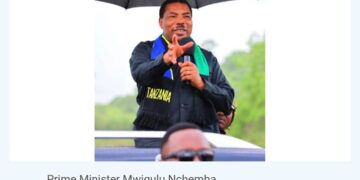
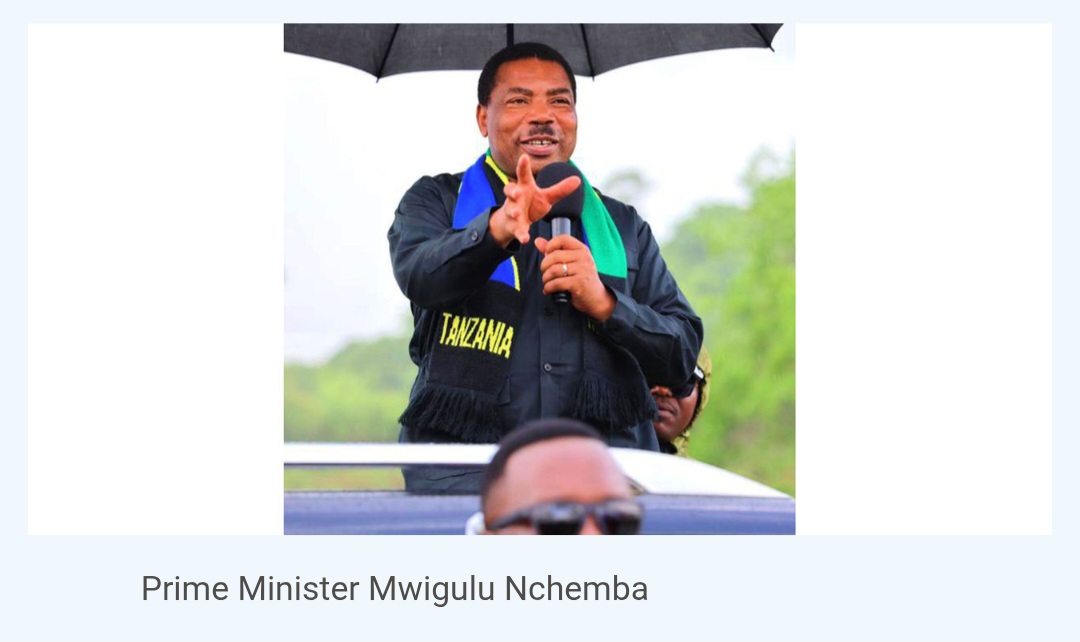
Prime Minister Mwigulu Nchemba disclosed the plan on Saturday, September 5, 2026, while addressing residents of Bahi District in the Dodoma Region during a working visit.

According to the Prime Minister, extending compulsory education to Form Four will create significant demand for additional education infrastructure across the country.
“When we say compulsory education will be until Form Four, it means every village should have a secondary school,” Nchemba said.

Tanzania plans more than 16,000 classrooms
The government estimates that more than 16,000 additional classrooms will be required to accommodate the expected increase in student enrolment.
Nchemba said the expansion would also require about 8,000 laboratories, as well as additional libraries and other facilities needed to provide an adequate learning environment.
He stressed that preparations must begin early to prevent overcrowding and ensure that students do not return to learning in inadequate conditions.
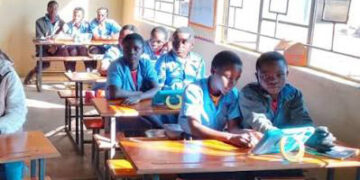
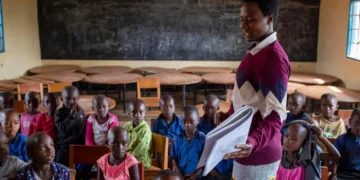
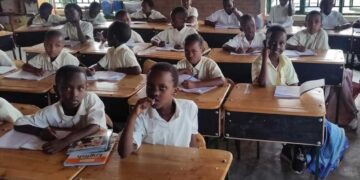
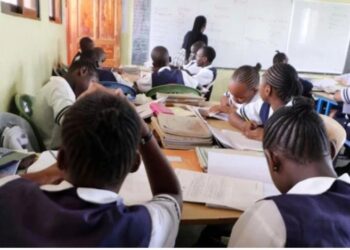
The Prime Minister said the government did not want children to be forced to study in overcrowded classrooms or under trees because of a shortage of infrastructure.
Government targets wider access to secondary education
The proposed expansion is linked to Tanzania’s plan to make education compulsory up to Form Four.
The government says having secondary schools closer to communities will help reduce the distance students have to travel and ensure that children are not excluded from secondary education because of where they live.
The plan therefore combines increased access with a major investment in classrooms, laboratories, libraries and other school facilities.

Education infrastructure is expected to become increasingly important as the number of learners entering secondary school rises.
Government considers funding priorities
Nchemba also called for tighter control of government spending, saying savings from unnecessary expenditure should be redirected towards services that directly benefit citizens.
He specifically mentioned education infrastructure, including classrooms, laboratories and desks, as areas that could benefit from savings.
“Whenever we can make savings, we should direct them to things that affect the daily lives of our citizens,” he said.
The Prime Minister’s announcement comes as Tanzania prepares for increased demand for secondary education, raising questions about how quickly the government can provide the infrastructure and teaching personnel needed to support the expansion.
If implemented effectively, the plan could significantly improve access to secondary education, particularly for learners in rural communities where distance to school remains a barrier.








 EduTimes Africa, a product of Education Times Africa, is a magazine publication that aims to lend its support to close the yawning gap in Africa's educational development.