




























































As concerns mount over Nigeria’s mental health burden, World Health Organization estimates indicate that more than 20 per cent of the country’s over 200 million population live with mental health conditions, while fewer than 10 per cent have access to adequate treatment due to limited resources and lingering stigma.
Against this backdrop, Babcock University has called for stronger collaboration between faith communities and mental health professionals to bridge existing care gaps.

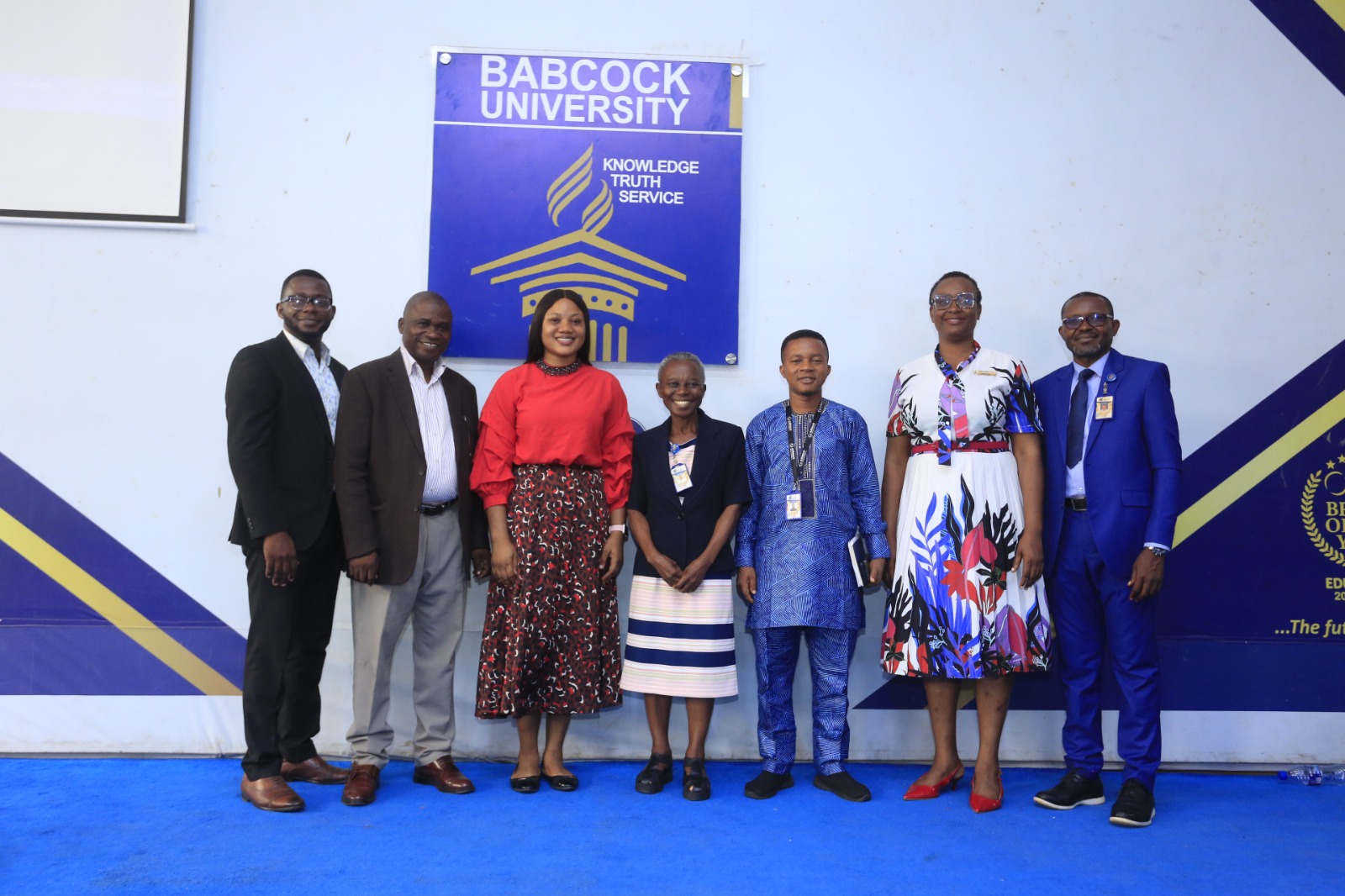
The university made the call during the sixth edition of its Faith Integration (IFI) Symposium, themed “Healing Body and Soul: Faith-Informed Approaches in Psychology and Mental Health.” The event, held at the Babcock Business School auditorium, brought together healthcare practitioners, clergy, academics and students to examine how spirituality can complement scientific approaches in mental health care.
Organised by the Office of the Special Adviser to the President/Vice Chancellor on AAA/IBE/IFL and led by Prof. Constance Nwosu, the symposium focused on integrating faith perspectives into ethical, evidence-based psychological practice.

In his opening remarks, Dr Olaniyi Arije, Vice President for Advancement and Development, commended the organisers for prioritising mental health discourse. He described mental wellbeing as central to collective progress and urged participants to engage in meaningful reflection and learning.
One of the keynote speakers, Dr Adebola Omotosho, lecturer and consultant health physician at the Babcock University Teaching Hospital, emphasised that mental health is foundational to overall wellbeing. She advocated stronger, integrated support systems that respect patients’ spiritual worldviews while maintaining professional and clinical standards.
Omotosho clarified that faith-informed care does not substitute medical treatment but involves acknowledging a client’s spiritual orientation where appropriate. According to her, sustainable healing lies at the intersection of biological, psychological, social and spiritual factors.
Also speaking, Chaplain Sylvester Afanga of the Babcock University Teaching Hospital stressed the role of faith leaders in combating stigma and encouraging early professional intervention. He recommended structured mental health training for chaplains and the establishment of safe spaces within faith communities to aid recovery.
Miss Oluwamuolamide Omole, a final-year student of Medicine and Surgery, highlighted the importance of healthy lifestyle habits and strong social networks in promoting holistic wellbeing.
Interactive sessions during the symposium offered practical stress management strategies, including intentional rest, 
Participants concluded that faith and science should be viewed as complementary partners rather than opposing forces in mental health care. The university reaffirmed its commitment to fostering inclusive environments that enable individuals to thrive mentally, relationally and spiritually.


















 EduTimes Africa, a product of Education Times Africa, is a magazine publication that aims to lend its support to close the yawning gap in Africa's educational development.