


























































15 Things to Know About Eid-ul-Mawlid
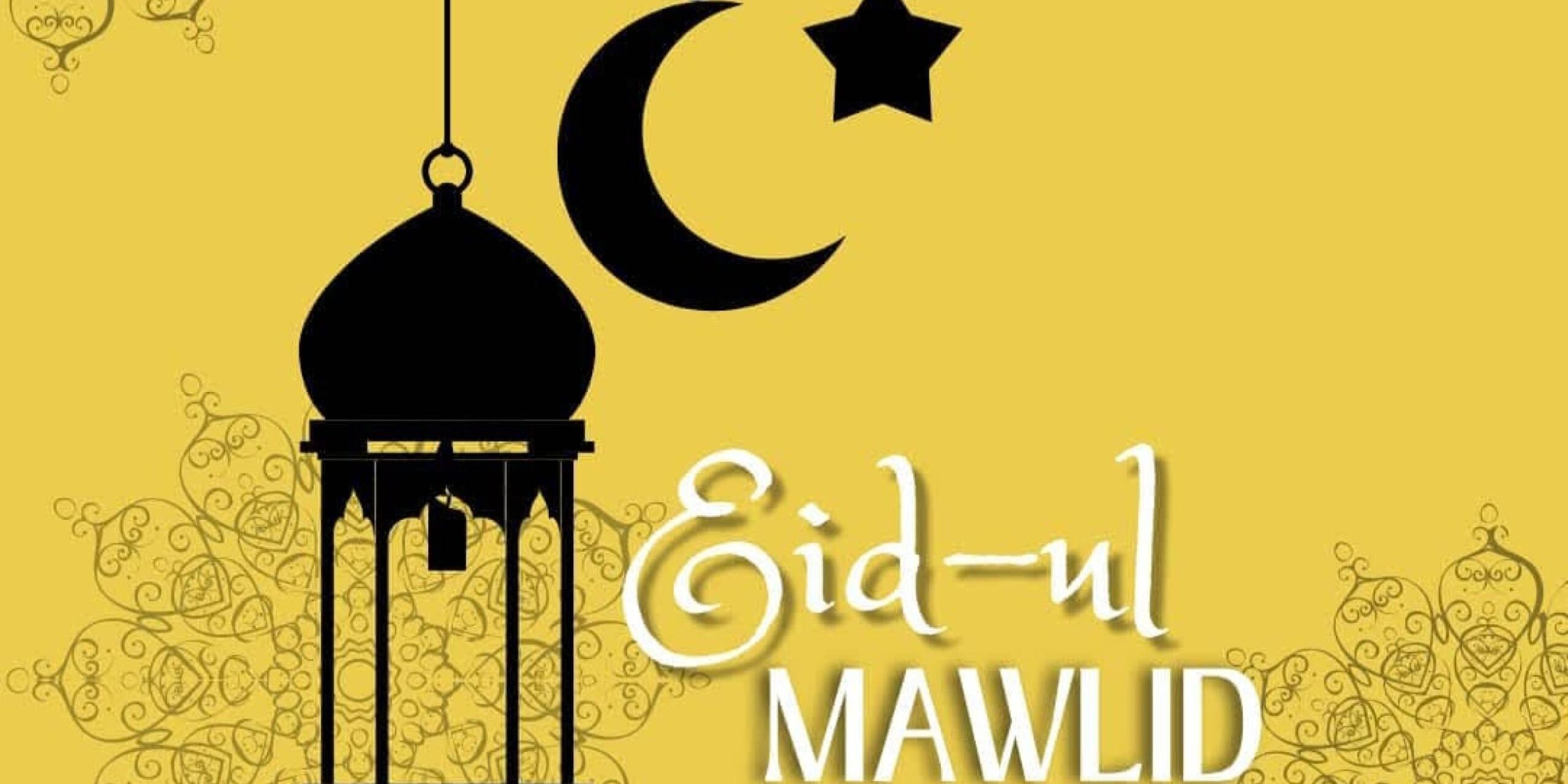
The Federal Government has declared Friday, September 5, 2025, a public holiday to mark Eid-ul-Mawlid, the celebration of the birth of Prophet Muhammad (SAW). While many Nigerians are aware of the holiday, fewer people fully understand its significance, history, and traditions. Here’s an explainer breaking down 15 key things you should know about Eid-ul-Mawlid.
1. What Eid-ul-Mawlid Means
The term “Eid-ul-Mawlid” translates to “Festival of the Birth”, referring to the birthday of Prophet Muhammad (SAW).
2. When It Is Celebrated
It falls on the 12th day of Rabi’ al-Awwal, the third month in the Islamic calendar.
3. Why It Is Significant
The day honours the birth of Prophet Muhammad, who is regarded as the last prophet in Islam and a model of righteous living.

4. A Day for Reflection
Muslims use the day to reflect on the Prophet’s life, teachings, and values such as kindness, humility, and justice.
5. Public Holiday in Nigeria
Nigeria, with one of the largest Muslim populations in Africa, recognises the day as a national public holiday.
6. Global Observance
Eid-ul-Mawlid is observed in many Muslim-majority countries, though not all nations mark it as a public holiday.
7. Forms of Celebration
The day is marked with prayers, lectures, processions, and acts of charity, depending on cultural traditions.
8. Symbol of Unity
Beyond religious rituals, the celebration encourages peace, tolerance, and communal harmony among Nigerians.
9. Government’s Message
The Federal Government often uses the occasion to call for national unity, security consciousness, and peaceful coexistence.
10. Spiritual Dimension
For many, the celebration is not just about festivity but about deepening their faith, devotion, and moral conduct.
11. Educational Activities
Religious scholars use the period to hold lectures and sermons highlighting the Prophet’s life, wisdom, and leadership.
12. Acts of Charity
Many Muslims take the opportunity to give to the poor, reflecting the Prophet’s emphasis on compassion and selflessness.
13. Peaceful Gatherings
In many communities, Muslims organise peaceful marches or processions accompanied by songs and recitations in honour of the Prophet.
14. Cultural Expressions
Depending on region and tradition, Eid-ul-Mawlid may also include poetry recitals, storytelling, and communal meals.
15. Reminder of Core Values
The day is ultimately about living by the Prophet’s virtues—peace, respect, humility, and service to humanity.
Conclusion
Eid-ul-Mawlid is more than a public holiday—it is a reminder of the values that can guide individuals and strengthen society. As Nigerians celebrate, the occasion offers an opportunity to deepen faith, promote unity, and work together towards peace and development.














 EduTimes Africa, a product of Education Times Africa, is a magazine publication that aims to lend its support to close the yawning gap in Africa's educational development.