


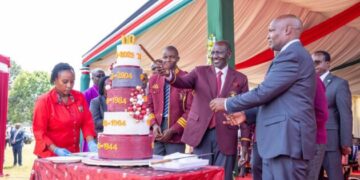
















































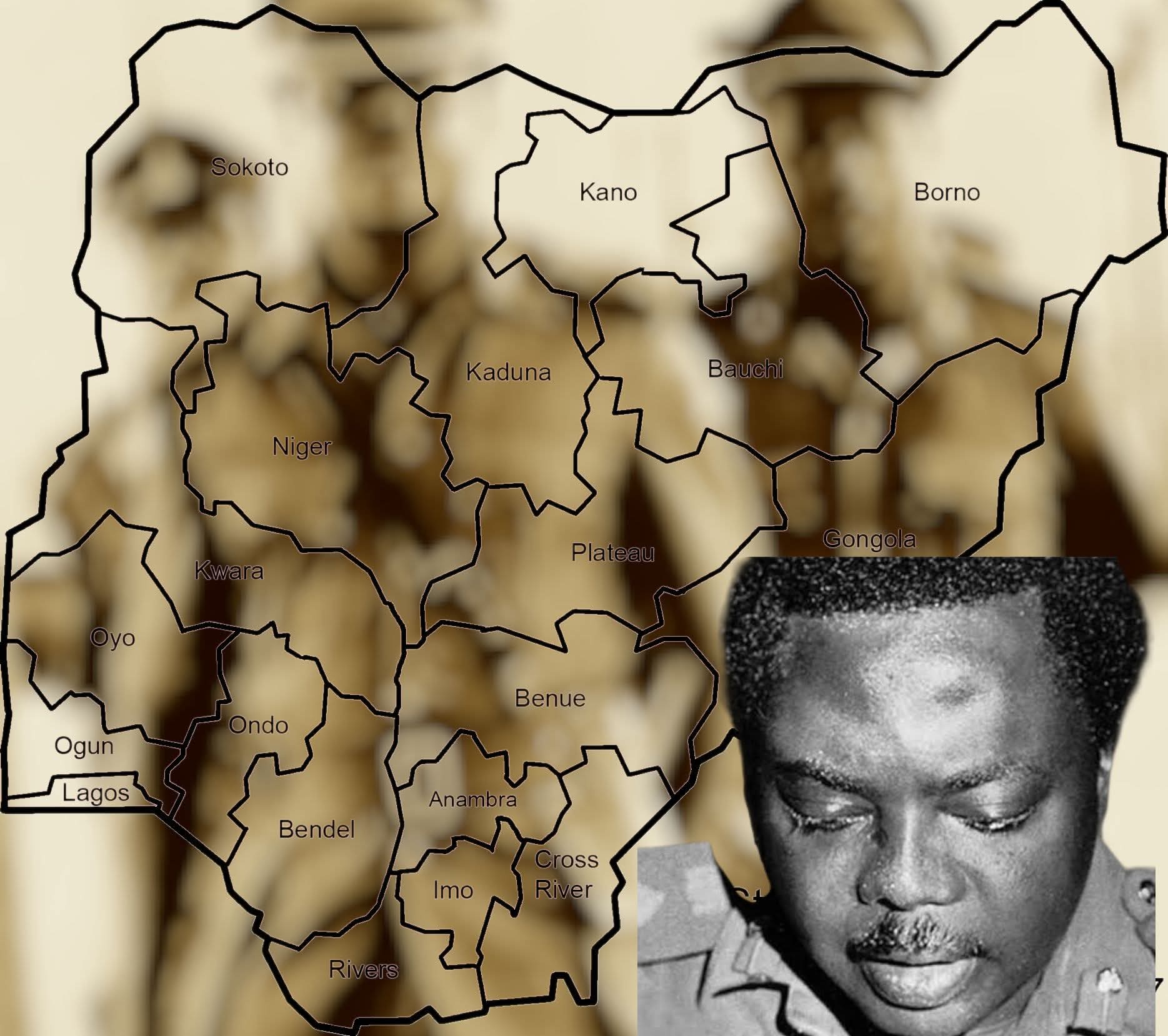


On 3 February 1976, Nigeria underwent one of its most significant administrative restructurings when then Head of State, General Murtala Ramat Muhammed, created seven new states as part of efforts to improve governance, reduce regional dominance and bring government closer to the people.
With the exercise, Nigeria moved from 12 states to 19 states, reshaping the country’s political and developmental landscape.

Which States Were Created?
The seven states created in 1976 include:

1. Bauchi State
Bauchi was carved out of the former North-Eastern State.
Over the decades, the state has developed into an important agricultural hub in northern Nigeria. Bauchi is also known for tourism attractions such as the Yankari Game Reserve, one of Nigeria’s major wildlife destinations. However, like many states, it continues to face challenges in infrastructure development and poverty reduction.
2. Benue State
Benue emerged from the defunct Benue-Plateau State.
Often referred to as Nigeria’s “Food Basket of the Nation,” the state plays a crucial role in agricultural production, particularly in crops such as yam, rice and soya beans. Despite its agricultural strength, recurring security challenges and farmer-herder conflicts have impacted development in recent years.
3. Borno State
Also carved out of the former North-Eastern State, Borno has historical and cultural significance as the heart of the ancient Kanem-Bornu civilisation.
In recent decades, the state has faced major security challenges due to insurgency, which has affected economic growth, education and infrastructure. Efforts at rebuilding and rehabilitation continue.
4. Imo State
Imo was created from the East-Central State.
The state has grown into a commercial and educational centre in the South-East. Imo has contributed significantly to Nigeria’s human capital development, though it has experienced political tensions and infrastructure concerns over the years.
5. Niger State
Carved from the former North-Western State, Niger is Nigeria’s largest state by land mass.
The state is rich in natural resources and hosts major hydroelectric power facilities such as the Kainji and Shiroro dams, which play key roles in national electricity supply. Despite its resource potential, the state continues to grapple with security and development challenges.
6. Ogun State
Ogun was carved out of the old Western State.
The state has evolved into one of Nigeria’s leading industrial and manufacturing hubs due to its proximity to Lagos. Ogun is also recognised for its strong educational heritage and contributions to commerce and entrepreneurship.
7. Ondo State
Also created from the former Western State, Ondo has built a strong reputation in agriculture, particularly in cocoa production.
The discovery of oil in parts of the state has contributed to economic diversification, although environmental and development issues remain areas of concern.
—
How the Old States Were Reorganised
The 1976 state creation exercise significantly reshaped existing regional structures:
Benue-Plateau State was divided into Benue and Plateau States
North-Eastern State was divided into Borno, Bauchi and Gongola States
Western State was divided into Ogun, Ondo and Oyo States
North-Western State was divided into Sokoto and Niger States
East-Central State was divided into Anambra and Imo States
—
Why Were the States Created?
The restructuring was driven by several key objectives:
To promote administrative efficiency
To reduce ethnic and regional domination
To enhance development at grassroots levels
To strengthen national unity
—
50 Years Later: Progress and Challenges
Half a century after their creation, the seven states have recorded varying levels of progress. While some have emerged as industrial, agricultural or educational strongholds, others continue to face security, infrastructure and economic challenges.
The anniversary presents an opportunity to reflect on how state creation has influenced governance, development and identity in Nigeria, as well as to assess what more needs to be done to achieve balanced growth across the federation.











 EduTimes Africa, a product of Education Times Africa, is a magazine publication that aims to lend its support to close the yawning gap in Africa's educational development.