

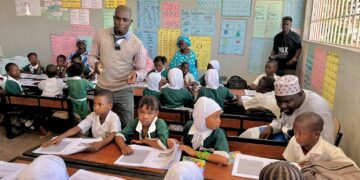


















































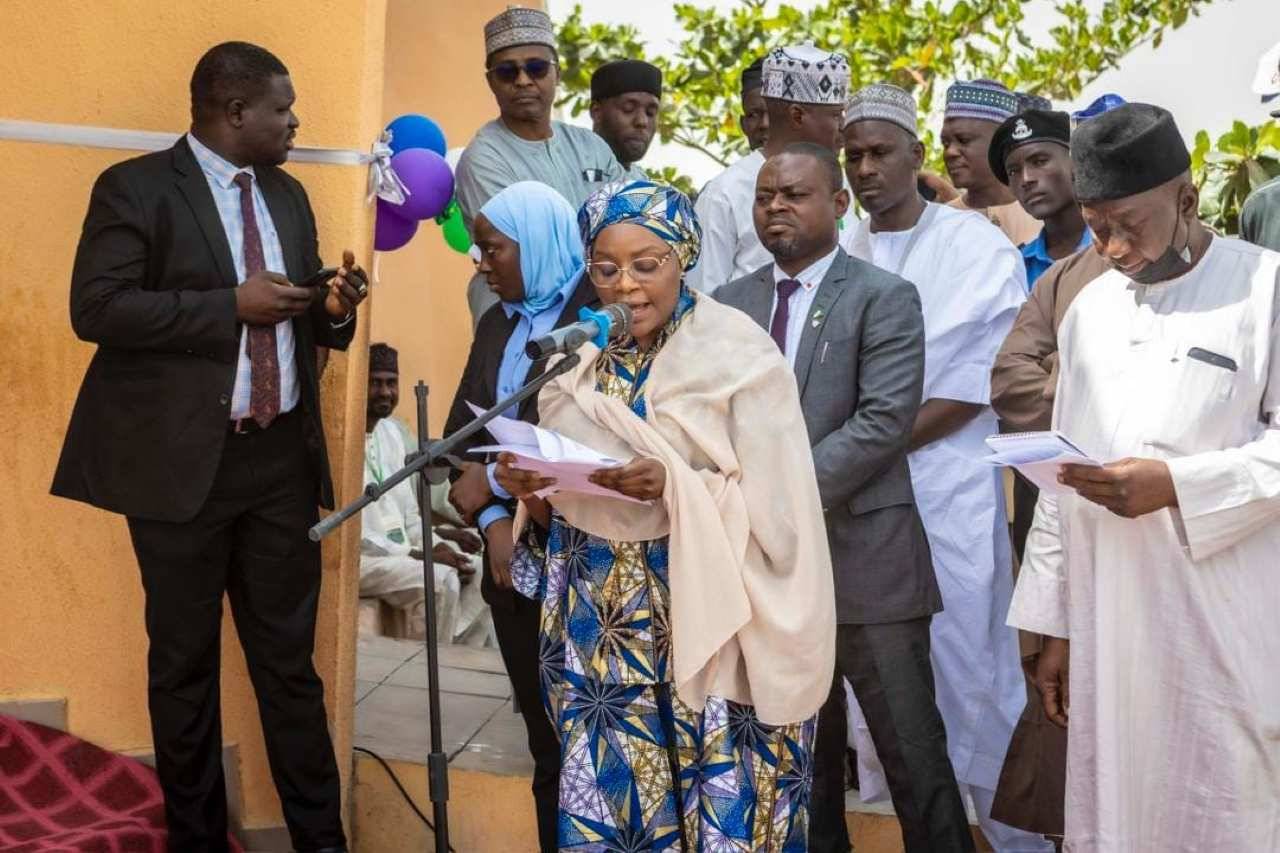


The Federal Government has reiterated its commitment to advancing education through digital technology, as the Universal Basic Education Commission (UBEC) inaugurated a multi-million naira Smart School in Hadejia, Jigawa State.
The Executive Secretary of UBEC, Dr.
Aisha Garba, said the commissioning ceremony and handover of the school to the Jigawa State government on Wednesday marked another milestone in the Federal Government’s ongoing efforts to reposition basic education as a foundation for national development.
The Smart School is equipped with ICT-enabled classrooms, digital learning resources, modern laboratories, e-libraries, robotics and innovation hubs, as well as inclusive facilities for learners with special needs.
The Guardian reports that the Hadejia Smart School brings the number of UBEC Smart Schools across the country to 30.

Dr. Garba described the UBEC Smart School Programme as a flagship reform initiative designed to transform teaching and learning in the basic education sector through modern infrastructure, digital technology, and innovative teaching methods.
She reiterated UBEC’s commitment to ensuring Nigerian children, regardless of location or background, have access to quality and future-ready education. She said the smart education programme is part of the Federal Government’s drive to equip learners with the skills needed for the 21st century.
“The UBEC Smart School is designed to promote creativity, critical thinking, collaboration and skills in Science, Technology, Engineering, Arts and Mathematics (STEAM),” Garba said. “It prepares learners for a rapidly evolving global environment.”
She explained that the Smart School in Hadejia is a State Model Smart School (Model II), designed to cater to pre-primary, primary and junior secondary students, including children with special needs.
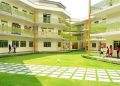
The school features administrative and academic blocks, smart classrooms, e-libraries, science and introductory technology laboratories, robotics and vocational labs, health facilities, play areas, water and power infrastructure, and a secure learning environment.
Garba said the Smart School Programme also emphasises quality teaching and effective school management. While staffing is the responsibility of the state government, UBEC will support capacity building through training and ICT skills development to ensure qualified personnel manage the schools.
She praised Jigawa State Governor Umar Namadi for his support and strong partnership in the project, noting that the state provided land, security, and effective coordination for the school’s establishment.
Garba also stressed that the commissioning is not the end of the project, but the beginning of a new phase. She urged stakeholders to ensure proper maintenance and sustainability of the facility so it can impact teaching quality and student performance.
She added that the Smart School represents “innovation, hope, and progress,” and reaffirms the country’s commitment to preparing Nigerian children for the future.










 EduTimes Africa, a product of Education Times Africa, is a magazine publication that aims to lend its support to close the yawning gap in Africa's educational development.