






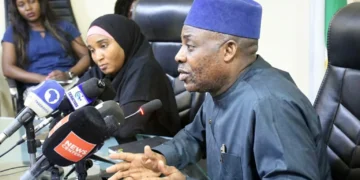




















































The federal government on Monday rolled out three new national education policies as it shifts focus from endless policy drafting to full-scale implementation across the country.
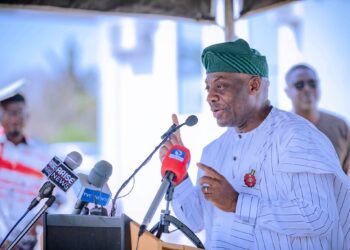
Education Minister, Tunji Alausa, who unveiled the documents in Abuja, said the ministry is now adopting an 80 per cent implementation and 20 per cent policy development model — a move he said aligns with global standards.

Alausa warned that Nigeria can no longer afford reforms that end on paper.
“Policy is just 10 per cent. Implementation is the heart of what we do,” he said, stressing that the states will take the lead while the federal government provides technical support and resources.
He acknowledged the backing of development partners including UNESCO and UNICEF, noting that the new policies either strengthen existing frameworks or fill long-standing gaps.

The minister listed the policies as:
1. National Teachers’ Policy with Implementation Guidelines – aimed at boosting teacher quality, upgrading skills and enhancing professional development.
Alausa said the government has fast-tracked the digitalisation of teacher training and will soon introduce a continuous learning platform. He added that all public school teachers must be licensed by the Teachers Registration Council.
2. National Policy on Drug and Substance Abuse in Schools – Nigeria’s first dedicated framework to combat rising drug use among students in secondary and tertiary institutions.
The policy incorporates counselling and behavioural support but still allows for sanctions on repeat offenders.
“We must protect our youth. Addiction destroys lives,” Alausa warned.
3. A third policy document targeted at filling existing policy gaps within the sector.
Kwara State Commissioner for Education and Human Capital Development, Lawal Olorungbebe, assured that states are ready to deliver.
He said most implementation steps can easily fit into 2025 project plans, adding that commissioners remain “strategic, decisive and deliberate” about achieving results.
“We will do everything we can to ensure these policies translate into concrete outcomes,” he said.













 EduTimes Africa, a product of Education Times Africa, is a magazine publication that aims to lend its support to close the yawning gap in Africa's educational development.