























































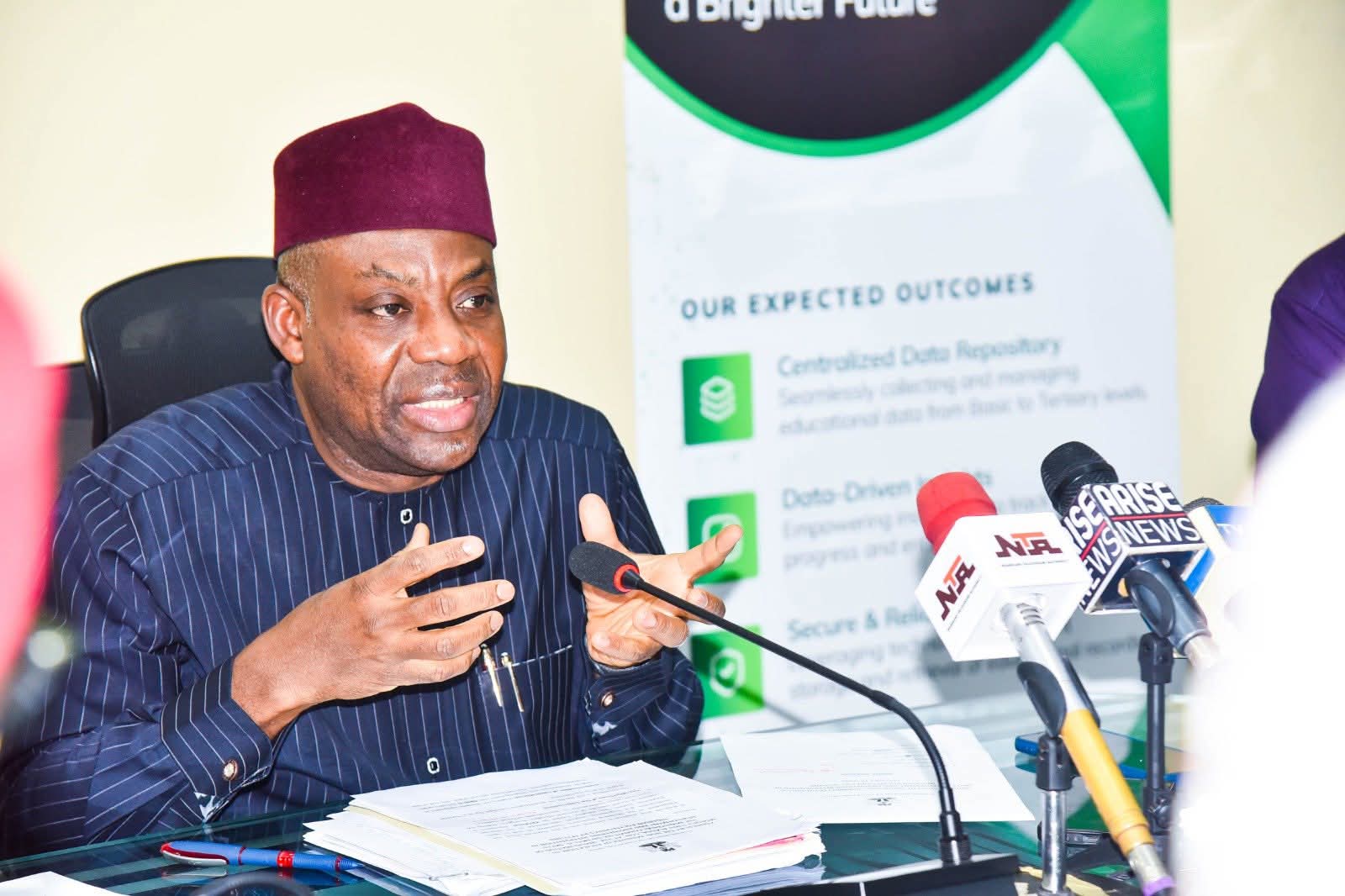


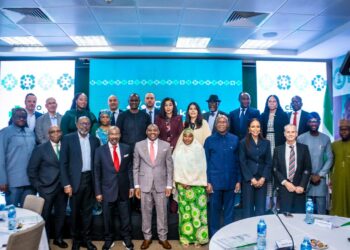
The Federal Government has inaugurated a Ministerial Implementation and Monitoring Committee to oversee the modernisation of laboratories and engineering facilities in Nigeria’s polytechnics, in a move aimed at strengthening technical education and enhancing hands-on training for students.
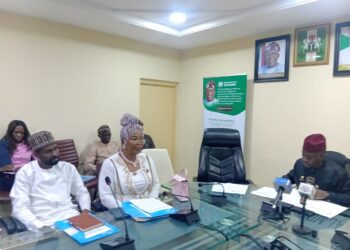
The committee was inaugurated in Abuja by the Honourable Minister of Education, Dr. Maruf Tunji Alausa, CON, who described the initiative as a strategic investment in Nigeria’s economic transformation.

Under the second phase of the Skills-G programme, the Federal Government, with funding from TETFund, will replace outdated equipment, introduce industry-standard engineering facilities, and upgrade laboratory ecosystems in 37 polytechnics across the country.
The programme will prioritise critical areas such as mechatronics, robotics, renewable energy, telecommunications, electronics, and automobile engineering. It also aims to provide dual certification pathways, enabling graduates to earn ND or HND qualifications alongside nationally recognised National Skills Qualification certificates, thereby enhancing employability.

Chairing the Committee is the Executive Secretary of the National Board for Technical Education (NBTE), Professor Idris Muhammad Bugaje. The panel will monitor the implementation of the programme, ensure compliance with due process, maintain accurate records, and identify institutions for inclusion in the programme’s third phase in 2026.
The Ministry of Education emphasised that the initiative is part of broader reforms to bridge skills gaps and equip young Nigerians with industry-relevant expertise.












 EduTimes Africa, a product of Education Times Africa, is a magazine publication that aims to lend its support to close the yawning gap in Africa's educational development.