




























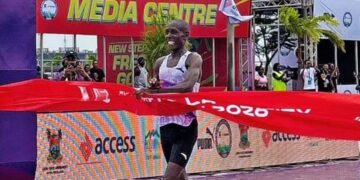











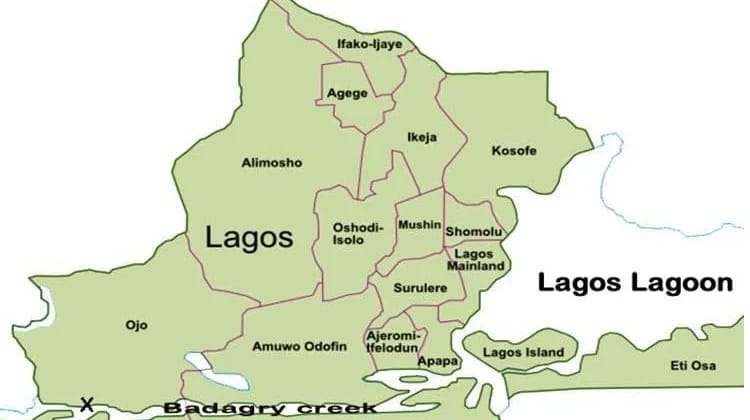


The Lagos State Government has announced a detailed traffic diversion plan ahead of the 2026 Access Bank Lagos City Marathon scheduled for Saturday, 14 February 2026.
The Commissioner for Transportation, Mr Oluwaseun Osiyemi, disclosed that several major roads will be closed for up to 12 hours to ensure the smooth and safe conduct of the marathon.
The 11th edition of the race will feature both a 42-kilometre and a 10-kilometre event, which will take place simultaneously across designated routes in the state.
Roads for the 42-Kilometre Race

The 42km race will begin at Ahmadu Bello Way (by MRS Gas Station) and proceed along the Coastal Road to the finishing point. All adjoining roads and intersections along this corridor will be affected.
Roads for the 10-Kilometre Race
The 10km race will start at Durosimi Etti, Lekki Phase 1, and continue through:
Ozumba Mbadiwe
Bishop Oluwole Street
Akin Adesola Street
Ending at Sanusi Fafunwa Street
Mr Osiyemi stated that all connecting roads, junctions and intersections along these routes will be closed from 12:00 a.m. to 12:30 p.m. However, he explained that roads will be reopened intermittently as the runners pass through.
Officials of the Lagos State Traffic Management Authority (LASTMA), alongside other security agencies, will be deployed to manage traffic and prevent unauthorised access to the race routes.
Residents and motorists have been advised to plan their journeys in advance, use alternative routes where necessary, and consider other means of transportation during the period of the closures.
The commissioner appealed for public understanding and cooperation, noting that the temporary traffic measures are necessary to ensure the successful hosting of the internationally recognised marathon.
Further updates on traffic advisories and related developments are expected as the event approaches.






 EduTimes Africa, a product of Education Times Africa, is a magazine publication that aims to lend its support to close the yawning gap in Africa's educational development.