





































The Minister of Education, Science and Technology in Malawi, Honourable Bright Msaka, has described the free secondary education policy as a transformative reform expanding access to learning, while also placing fresh demands on infrastructure, teachers and learning resources.
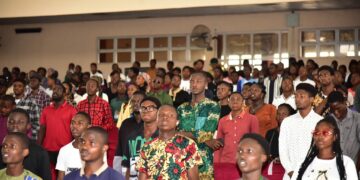
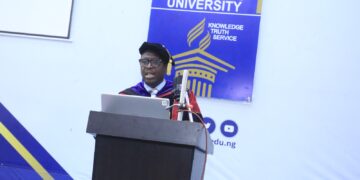
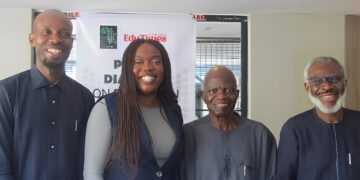
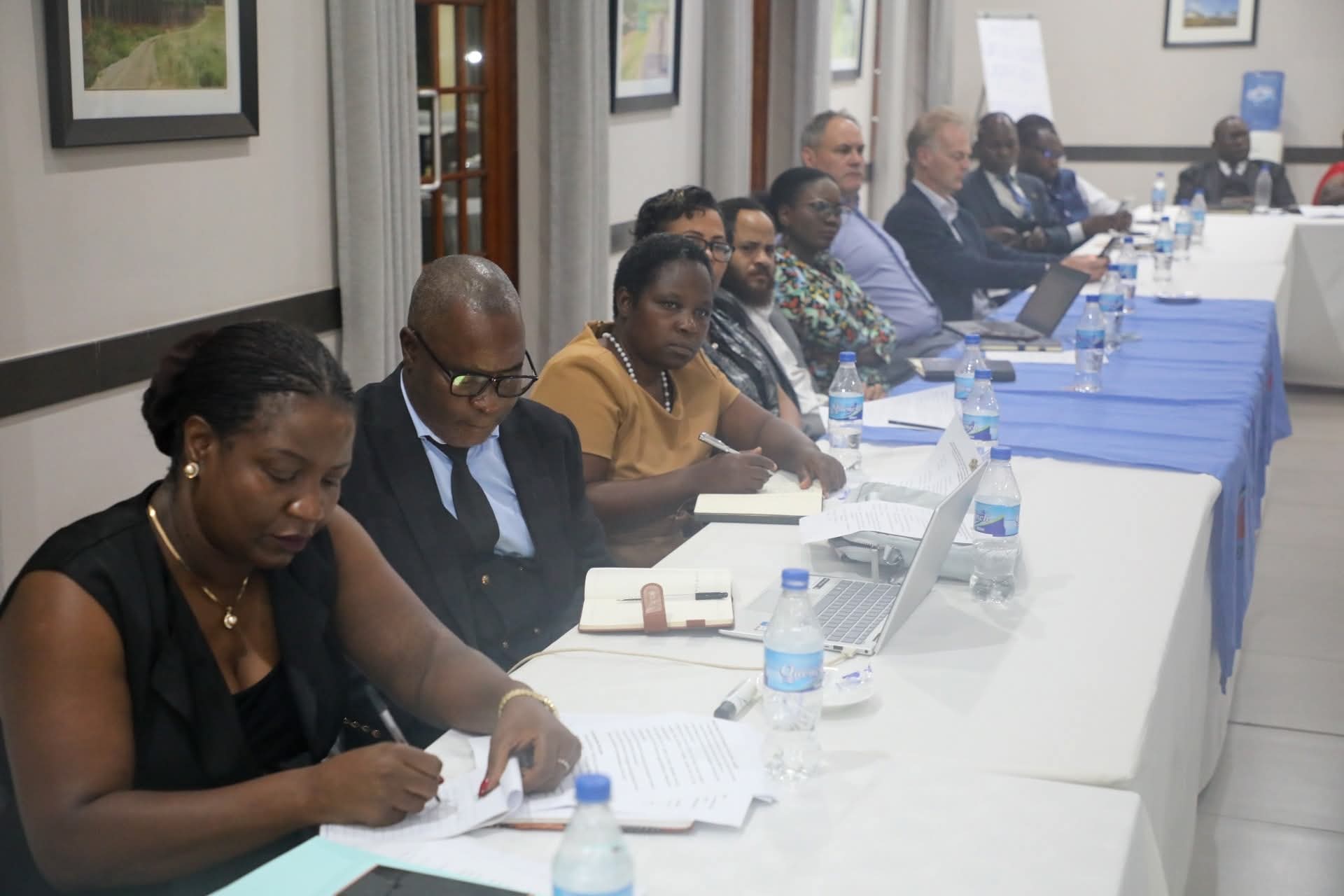
Speaking at a roundtable discussion on advancing free secondary education in Lilongwe on Wednesday, Msaka noted that although enrolment has increased, distance to school remains a significant barrier — particularly for girls. He stressed the need for practical interventions, including the provision of bicycles, to improve attendance, safety and retention.
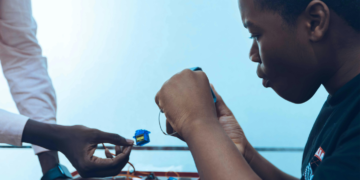
The Minister commended the work of World Bicycle Relief, describing the initiative as a practical solution that enhances access, punctuality, motivation and dignity among learners. He said mobility support is critical in ensuring that students from rural and underserved communities can fully benefit from free secondary education.
Msaka also urged development partners and the private sector to deepen collaboration with government, noting that declining donor support makes increased domestic investment and innovative partnerships essential to sustaining gains in the education sector.

Chief Executive Officer of World Bicycle Relief, Dave Neiswander, said the programme is designed to improve access to education by enabling students to travel longer distances to school. He explained that the intervention has helped boost attendance, retention and transition from primary to secondary education.
Neiswander disclosed that over the past nine years, the organisation has distributed more than 100,000 bicycles in Malawi to support education access.
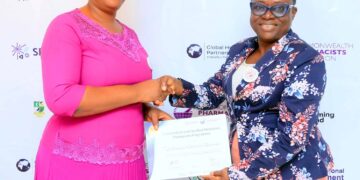
The event concluded with the signing of a memorandum of understanding between the Ministry and World Bicycle Relief to formalise and strengthen their collaboration in advancing education for all.





 EduTimes Africa, a product of Education Times Africa, is a magazine publication that aims to lend its support to close the yawning gap in Africa's educational development.