













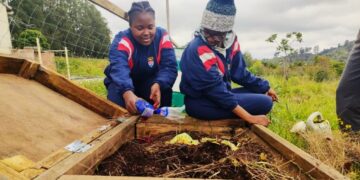


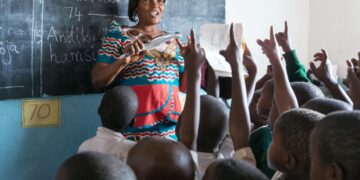






































For millions of children in Northern Nigeria, especially girls, school is still not guaranteed.
At the 2026 International Day of Education (IDE), the Chief of UNICEF Field Office, Kano, Mr. Rahama Farah, raised fresh concerns that too many children in the region remain out of school.
And girls are the most affected.
Farah identified poverty, insecurity, harmful social norms and limited resources as key barriers stopping children from enrolling, staying and completing school.
According to him, these challenges are not just statistics, they are dimming dreams.

“Education is not just a service; it is a right, a beacon of hope and the foundation of every strong society. It is what gives every child—girl or boy—freedom to dream, to contribute meaningfully to their communities and to walk with pride,” he said.
While acknowledging that some progress has been made in parts of Northern Nigeria, the UNICEF chief insisted that young people must be placed at the centre of conversations about what education should look like by 2030.
He said youths are already demanding a system that is relevant, inclusive, safe and empowering.
One that goes beyond textbooks.
“They want classrooms that ignite imagination, teachers who inspire, and systems that catch every child. Education must go beyond textbooks to equip children with life skills, digital competence, critical thinking and the confidence to shape their own future,” Farah noted.
Speaking before government officials, development partners, educators, parents, media practitioners and youths, he described education as the strongest tool for breaking cycles of hardship.
He stressed that the International Day of Education should serve as a call to action — not just reflection.
“At UNICEF, we remain firmly committed to supporting governments and communities to strengthen education systems, improve learning environments, promote adolescent development and ensure access to quality education for every child,” he said.
Farah also reminded stakeholders that investing in education has ripple effects: educating a child uplifts a family, educating a girl strengthens a community, and sustained investment builds the foundation for peace and development.
The fight for better education is not only for policymakers. “You are not only the leaders of tomorrow; you are partners today, shaping history,” Farah told the youths.
In a region where access is still unequal, the conversation now shifts from awareness to action — and whether Nigeria can truly build a system where no child is left behind.















 EduTimes Africa, a product of Education Times Africa, is a magazine publication that aims to lend its support to close the yawning gap in Africa's educational development.