

















































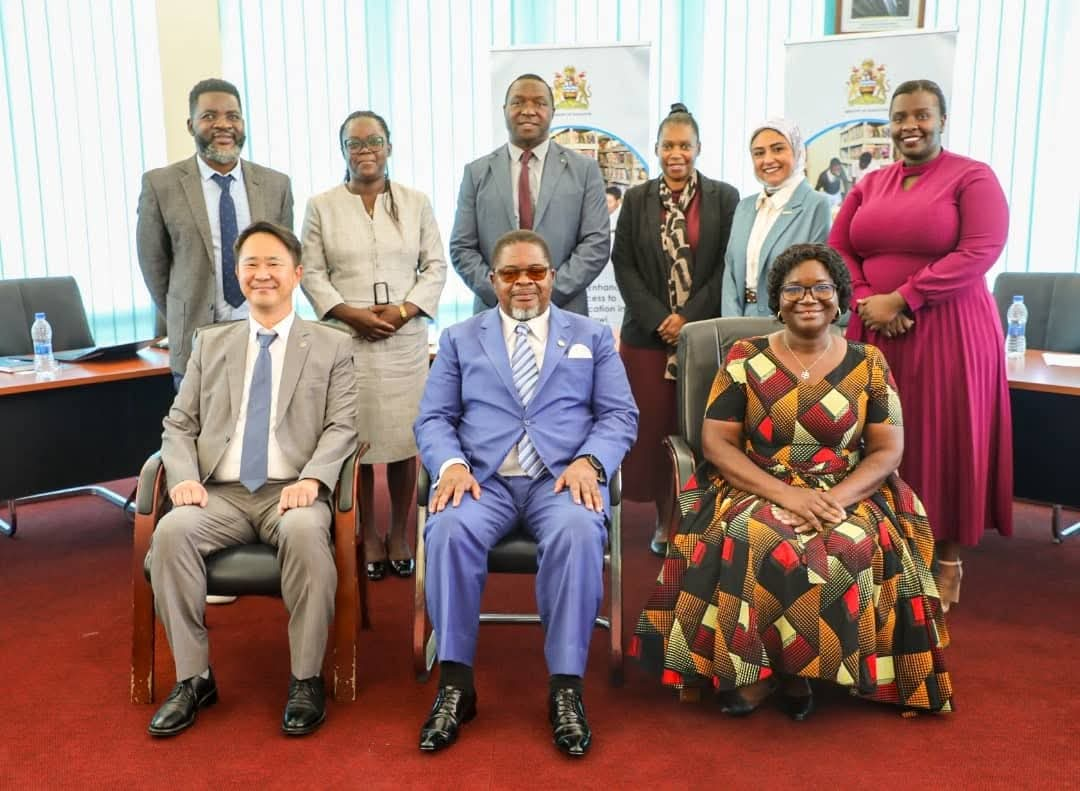


The Minister of Education and Science and Technology, Hon. Bright Msaka, SC, has commended the World Food Programme (WFP) for its sustained support to Malawi, particularly through the implementation of the school feeding programme.
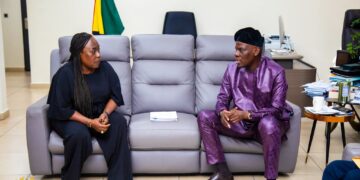
Msaka made the remarks on Tuesday during a courtesy visit by a WFP delegation to the ministry’s headquarters, noting that the organisation’s interventions have had a positive impact across several sectors, with education remaining a key beneficiary.

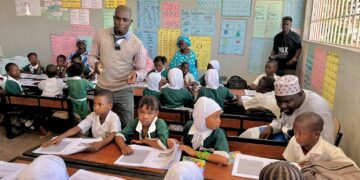
Describing the school feeding programme as an investment in the nation’s future, the minister said it has helped improve school attendance, reduce dropout rates, and enhance pupils’ academic performance. He added that the initiative provides an opportunity for children to escape poverty and build better life prospects.
Msaka also praised WFP’s homegrown approach to the programme’s implementation, saying it promotes sustainability and strengthens ownership by schools and local communities. He assured the delegation of the government’s continued engagement and commitment to ensuring the programme’s continuity.

In his remarks, WFP Country Director and Representative, Dr. Hyoung-Joon Lim, described the school feeding programme as a critical entry point for development, as it contributes to building a healthy and well-educated human capital. He said the programme encourages school enrolment and helps learners concentrate and perform better in class.
Lim further urged the government to take full ownership of the initiative and work towards establishing a national school feeding programme that will cover 100 per cent of schoolchildren by 2030, in line with national policy. WFP has supported the programme since 1999, currently providing meals to about 825,000 learners in 788 primary schools and 140 Early Childhood Development centres across the country.












 EduTimes Africa, a product of Education Times Africa, is a magazine publication that aims to lend its support to close the yawning gap in Africa's educational development.