



























































If you’re in a Nigerian university right now, stability is probably one thing you crave the most.
After years of strike cycles, disrupted calendars, and postponed dreams, the Federal Government says the 2025
agreement signed with ASUU is meant to bring long-term calm to campuses not just headlines.
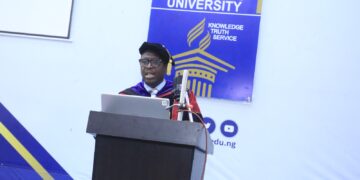
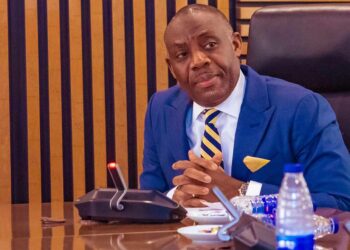
Speaking during a working visit to Yakubu Gowon University (formerly University of Abuja) in Gwagwalada, Abuja, on Tuesday, the Director-General of the Bureau of Public Service Reforms (BPSR), Dasuki Arabi, said the deal is designed to “strengthen autonomy safeguards” in universities.
But what does that actually mean for students?

First, the agreement — which takes effect from January 2026 — introduces a 40 per cent pay rise for academic staff.
It also promises enhanced research funding and improved severance entitlements.
In simple terms: better pay and research support for lecturers could mean fewer tensions and, ideally, fewer disruptions to academic calendars.
Arabi explained that the 2025 FGN–ASUU agreement aims to fix structural issues like funding gaps and governance concerns — problems that have often triggered disputes in the past.
According to him, successive administrations have tried to address these challenges, with increased university funding and infrastructural support from the Tertiary Education Trust Fund (TETFund) and other federal initiatives.
For students, funding isn’t just a policy word.
It affects classroom conditions, lab equipment, hostel facilities, and even how fast results are processed.
On access to education, Arabi highlighted the Student Loan Scheme as a major intervention.
“The implementation of the Students’ Loan Scheme is a significant step towards expanding access to higher education,” he said.
“It is structured to ensure that no willing and qualified student is left behind while promoting sustainability in the sector.”
For many young Nigerians battling rising fees and living costs, that statement hits close to home.
Still, autonomy came with a caution.
Arabi stressed that while universities should manage their academic and administrative affairs independently, they must remain accountable and operate within defined governance frameworks.
He also referenced the government-approved payroll system, introduced to enhance transparency and verify personnel records across federal institutions.
The message is clear: independence yes — but with oversight.
Arabi added that recent salary adjustments for senior lecturers and professors reflect what he described as a broader reform agenda to reposition education for national development.
At the university level, the Vice-Chancellor of Yakubu Gowon University, Hakeem Fawehinmi, expressed readiness to partner with the BPSR.
He identified capacity development, staff competency enhancement, and postgraduate training as areas for immediate collaboration.
For students, this conversation goes beyond policy meetings and official visits.
It touches your graduation timeline.
Your tuition burden.
Your access to loans.
Your confidence that the semester you start will actually finish as scheduled.
The 2025 agreement may not erase the history of disputes overnight.
But if implemented as promised in January 2026, it could shape what university life looks like for the next generation of Nigerian students.
And for a country where academic calendars have often felt uncertain, that possibility alone is worth watching.










 EduTimes Africa, a product of Education Times Africa, is a magazine publication that aims to lend its support to close the yawning gap in Africa's educational development.