
















































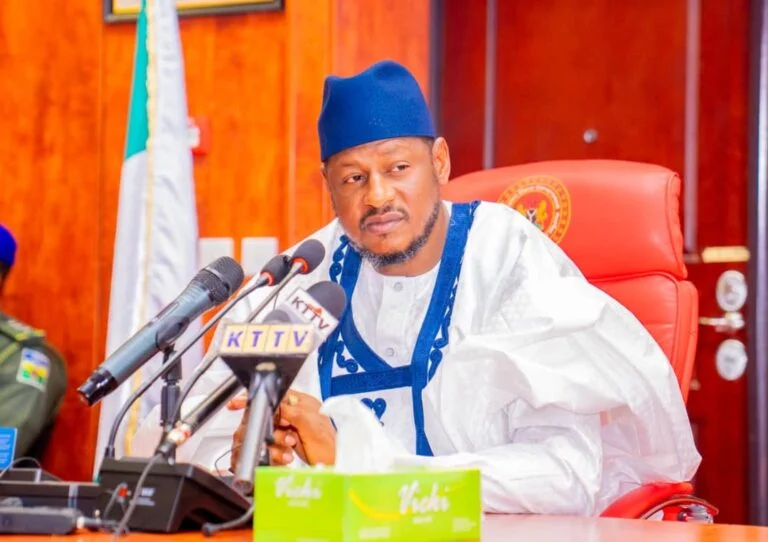


Katsina State Government has approved a N30,000 monthly allowance for teachers posted to rural communities in the state.
The decision was reached at the State Executive Council’s 18th meeting, presided over by Governor Dikko Radda on Wednesday.

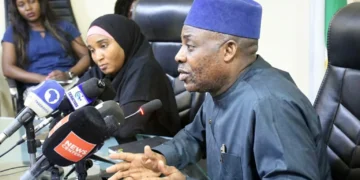
Speaking to journalists on Thursday, the Commissioner for Basic and Secondary Education, Yusuf Suleiman-Jibia, said the allowance—to be paid every term—is meant to boost teachers’ morale and ease the financial burden that comes with working in remote areas.
According to him, many teachers struggle with transport costs, safety concerns and long distances, making it difficult for them to remain committed to rural postings. The new allowance, he said, is expected to reduce these pressures and keep more qualified teachers in underserved communities.

Suleiman-Jibia also announced the approval of Teachers’ Development Training Centres to be established in Katsina, Daura and Funtua. The centres will offer continuous training for primary and secondary school teachers, using experts from higher institutions and retired educationists.
The News Agency of Nigeria reports that the move aligns with recommendations from a September education summit organised by Save the Children International and funded by Education Cannot Wait. The summit highlighted the urgent need to attract teachers to hard-to-reach and insecure communities.
Hajiya Raliya Yusuf, Director of Senior Schools in the ministry, described the situation as troubling, noting that most teachers prefer to stay in urban areas, leaving many rural schools with few or no teachers.
Save the Children’s Programme Manager, Mrs Atine Lewi, praised the state’s intervention, saying it will help stabilise the learning environment for children in remote locations.
“This incentive will motivate teachers to remain in communities where their presence is most crucial,” she said.
NAN











 EduTimes Africa, a product of Education Times Africa, is a magazine publication that aims to lend its support to close the yawning gap in Africa's educational development.