












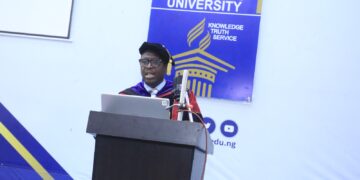









































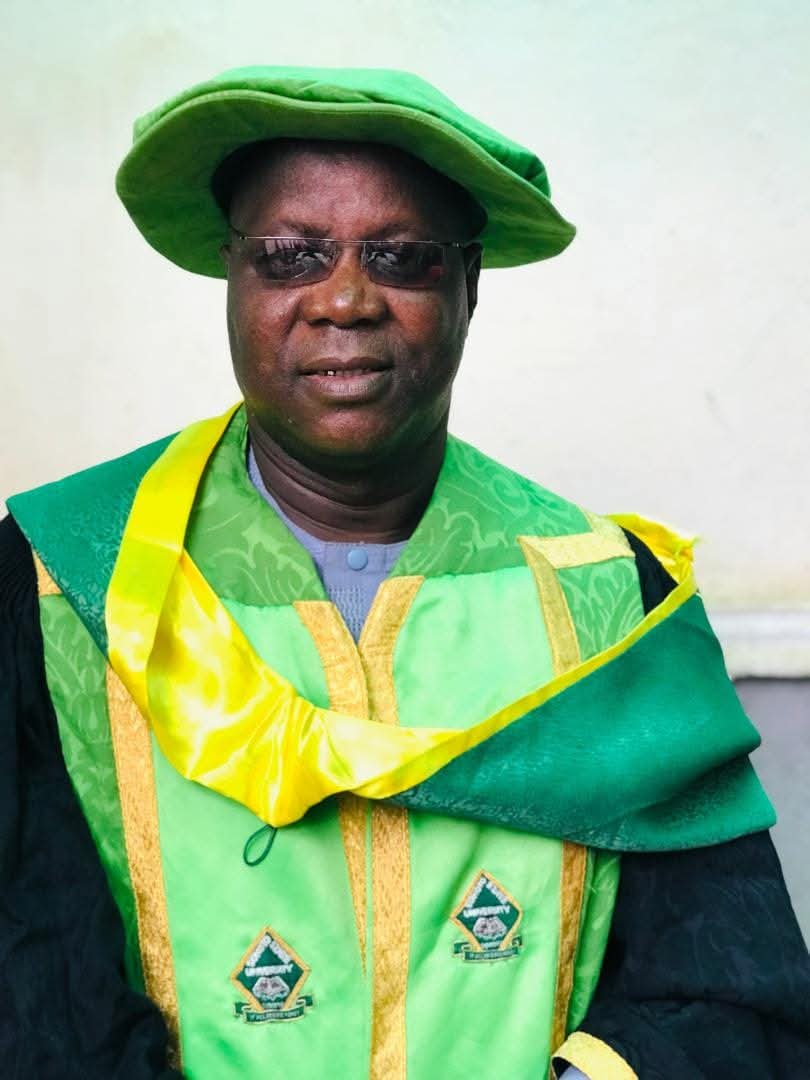


The Vice-Chancellor of Sokoto State University, Prof. Mohammed Yerima, has attributed improved student resumption rates, increased class attendance, and stronger academic concentration at the institution to the Nigerian Education Loan Fund.
Yerima disclosed this during an interview, describing the loan initiative as a major intervention that has reduced financial burdens on students and revitalised academic activities across the university.
According to the vice-chancellor, the institution previously struggled with low student turnout after academic breaks, particularly among students from distant states such as Oyo, Lagos, Kwara, and Taraba. He explained that many students often prioritised finding means of livelihood over attending lectures, which contributed to poor academic performance and increased failure rates.
However, he noted that the introduction of the student loan scheme has significantly reversed the trend by covering tuition-related expenses and providing upkeep allowances for beneficiaries.

Providing details of the disbursement, Yerima revealed that the university received ₦89.1 million to settle registration fees for 1,854 students under Batch A of the 2025/2026 academic session, while ₦83.08 million was allocated for 1,762 students under Batch B. He stated that the institution ensured prompt distribution of the funds in line with regulatory guidelines.
He emphasised that the impact of the programme became evident almost immediately, as students now resume academic activities promptly, participate actively in lectures and laboratory sessions, and demonstrate improved commitment to their studies.
Yerima further explained that the upkeep allowance provided under the scheme has enabled students to meet basic needs, including transportation, thereby reducing cases of absenteeism. He added that lectures now commence as scheduled, contributing to a more structured learning environment.
The vice-chancellor also disclosed that the university successfully secured the inclusion of part-time undergraduate students in the loan scheme after engaging with NELFUND officials. He noted that the decision has encouraged working-class individuals and civil servants to enrol in academic programmes at the institution.
He commended the operational efficiency of the NELFUND management team, describing their response to institutional requests as swift and supportive.
In his reaction, the Managing Director of NELFUND, Akintunde Sawyerr, reiterated that the fund was created to eliminate financial obstacles that hinder Nigerian students from accessing higher education. He noted that the improved academic participation recorded at Sokoto State University reflects the core objective of the initiative.
Sawyerr assured stakeholders of the fund’s commitment to transparent and timely disbursement of loans, while stressing the importance of expanding educational opportunities for both full-time and non-traditional students.
He maintained that prioritising student welfare remains essential to developing a skilled and globally competitive workforce in Nigeria.











 EduTimes Africa, a product of Education Times Africa, is a magazine publication that aims to lend its support to close the yawning gap in Africa's educational development.