





















































If Nigeria is serious about solving its economic and developmental challenges, the answers may already be sitting in lecture halls and research labs.
That was the message from the Founder of Afe Babalola University, Ado-Ekiti (ABUAD), Aare Afe Babalola, and the Chief Executive Officer of United Nigeria Airlines, Prof. Obiora Okonkwo.
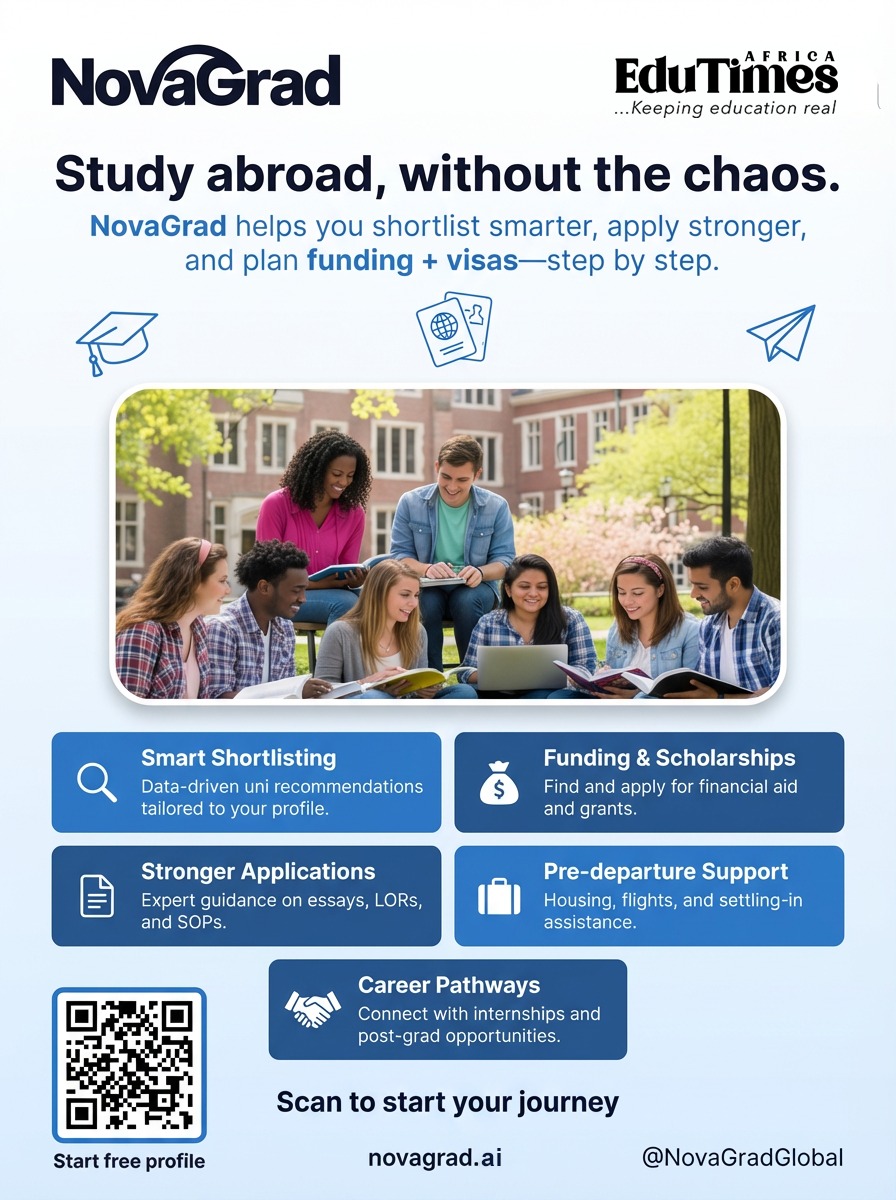
Both leaders called on political office holders to make better use of the country’s universities, arguing that Nigeria’s academic institutions are underutilised in shaping national policies and solving real problems.
They spoke in Ado-Ekiti during the signing of a Memorandum of Understanding (MoU) between ABUAD and United Nigeria Airlines Company Limited.

The partnership is designed to provide ABUAD students with hands-on training in Aeronautical and Aerospace Engineering — a move aimed at bridging classroom theory with industry experience.
Beyond the MoU, however, the conversation shifted to a broader concern: what they described as a disconnect between political leadership and higher institutions.
According to them, countries such as China, Russia and the United States have advanced largely because their governments deliberately rely on academic research and intellectual capital.
Speaking before the signing ceremony, Prof. Okonkwo stressed that Nigeria already has the expertise it needs within its universities.
“In one of our retreat lectures yesterday, someone reminded us that once upon a time, President John F. Kennedy said America would send a man to the moon,” Okonkwo said.
“He did not say so because he was an engineer or an astronaut. He said it because he knew America had great intellectuals in their institutions who could transform that dream into reality. At that time, those intellectuals did not even know how to do it, but eventually they made it happen.”
He urged government officials to take national issues directly to relevant academic departments for research-based recommendations.
“Pick any national issue. If it is legislative or legal, take it to the law faculty. Let intellectuals crack it and give recommendations. If it is economic, bring it to the economics department. These professionals are there to provide answers,” he said.
For students, especially those in professional courses like engineering, law and economics, the message reinforces the idea that universities are not just spaces for certificates but centres of national development.
The ABUAD–United Nigeria Airlines partnership, particularly in aeronautical and aerospace engineering, also signals a growing push for industry-academia collaboration — a move many believe could better prepare graduates for real-world demands.
If political leaders begin to see universities as solution hubs rather than just academic institutions, Nigeria’s campuses may yet play a stronger role in shaping the country’s future.













 EduTimes Africa, a product of Education Times Africa, is a magazine publication that aims to lend its support to close the yawning gap in Africa's educational development.