













































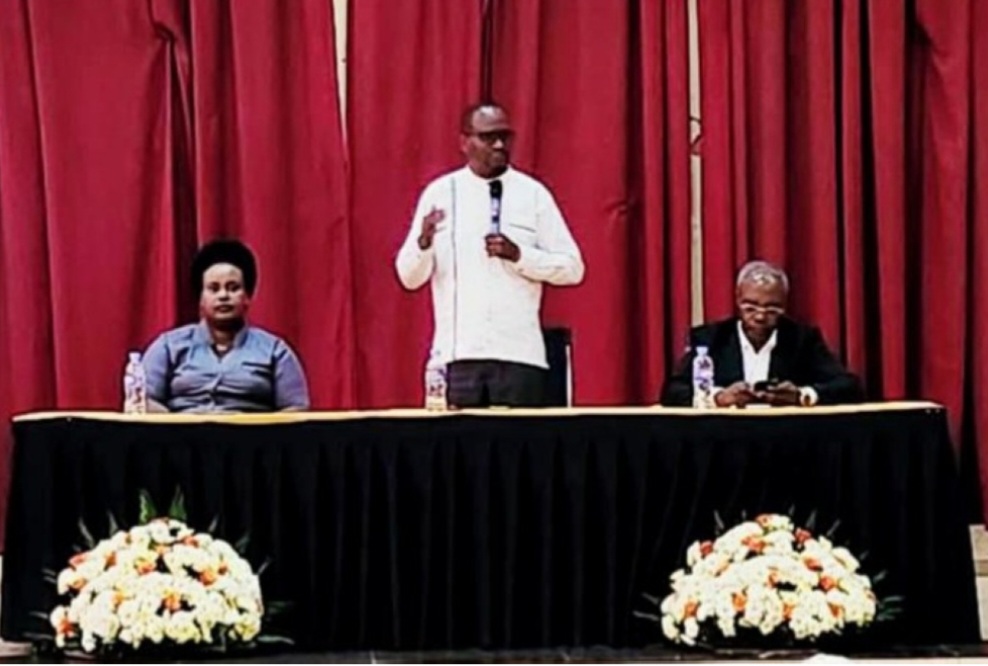


Experts have urged African universities to rethink how they educate students, calling for learning models that prepare young people to tackle the continent’s political, governance and development challenges using African-led solutions.
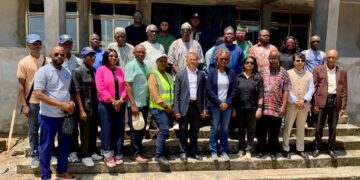
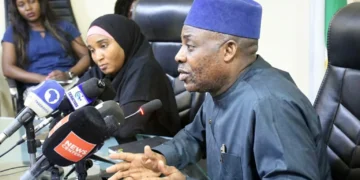
The call was made during a Pan-African Leadership workshop held on October 14 in Kigali, organised by the Pan-African Movement (PAM) Rwanda Chapter in partnership with the Rwanda Governance Board (RGB) and the Association of Rwandan Journalists (ARJ). The event brought together about 100 university students from across Rwanda.
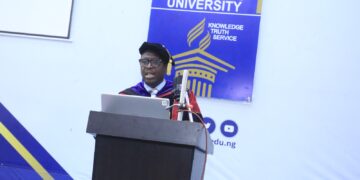
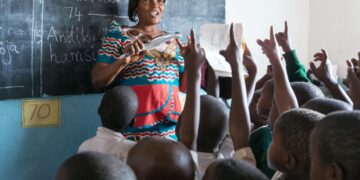
Speaking at the workshop, Ismael Buchanan, a senior lecturer in political science and international relations at the University of Rwanda, said higher education institutions must move beyond abstract theory and ground learning in Africa’s lived realities.
He explained that the programme encourages lecturers to adapt teaching methods to different national and institutional contexts, with a strong focus on politics, governance and regional integration. The goal, he said, is to produce graduates who understand their local environments while also appreciating broader continental dynamics.

“You cannot talk about Africa without starting from somewhere,” Buchanan said, noting that Rwanda is used as an entry point to help students think from the local to the regional and continental levels.
He also challenged students to critically interrogate concepts such as democracy, governance and political ideology within African contexts, emphasising that Africa’s diversity in leadership systems is a strength rather than a weakness.
“How Rwanda is governed may be different from Cameroon or Morocco, and that diversity is not a problem,” he said. “What matters is understanding why systems differ and how they function.”
The workshop also explored Pan-Africanism and regional integration, drawing lessons from the East African Community and other regional blocs.
Eugene Mazimpaka, a University of Rwanda lecturer in immunology, said the initiative seeks to spark an intellectual awakening among young Africans.
“The first liberation we are seeking is intellectual,” Mazimpaka said. “Africans must understand who they are, where they come from and where they are going if they are to solve their own problems.”
He added that the programme prioritises training educators who will pass Pan-African values and problem-solving skills to students from an early age, stressing that education should transform mindsets, not just transfer technical knowledge.
Epimaque Twagirimana, Deputy Director of the Pan-African Movement, said the training aims to nurture transformative leaders capable of driving Africa’s long-term development.
“Although Africa is said to be independent, we are still struggling to achieve genuine independence,” he said, adding that the continent needs leaders who are deeply grounded in Africa’s realities.
Twagirimana noted that the initiative is especially important for international students studying in Rwanda, many of whom will return to their home countries after graduation.
Participants said the discussions strengthened their sense of African identity and responsibility. Elisa Rwagasana, a fourth-year Information Technology student at the University of Rwanda, said the training encouraged students to think beyond national borders.
“It strengthens the spirit of loving Africa,” she said. “Wherever you are, you remain connected to Africa’s development.”
For Lama Hashim, a Sudanese student, the conversations were deeply personal given the ongoing conflict in her home country.
“Some youth in Sudan cannot study because of war,” she said. “Those of us who have the opportunity must learn and go back to help our communities.”
Organisers said the workshop aligns with the African Union’s Agenda 2063, which promotes African-led solutions to development challenges, and is part of PAM Rwanda’s leadership development initiatives launched in 2022. The programme aims to equip students with Pan-African perspectives and prepare them to become agents of positive change across the continent.









 EduTimes Africa, a product of Education Times Africa, is a magazine publication that aims to lend its support to close the yawning gap in Africa's educational development.