










































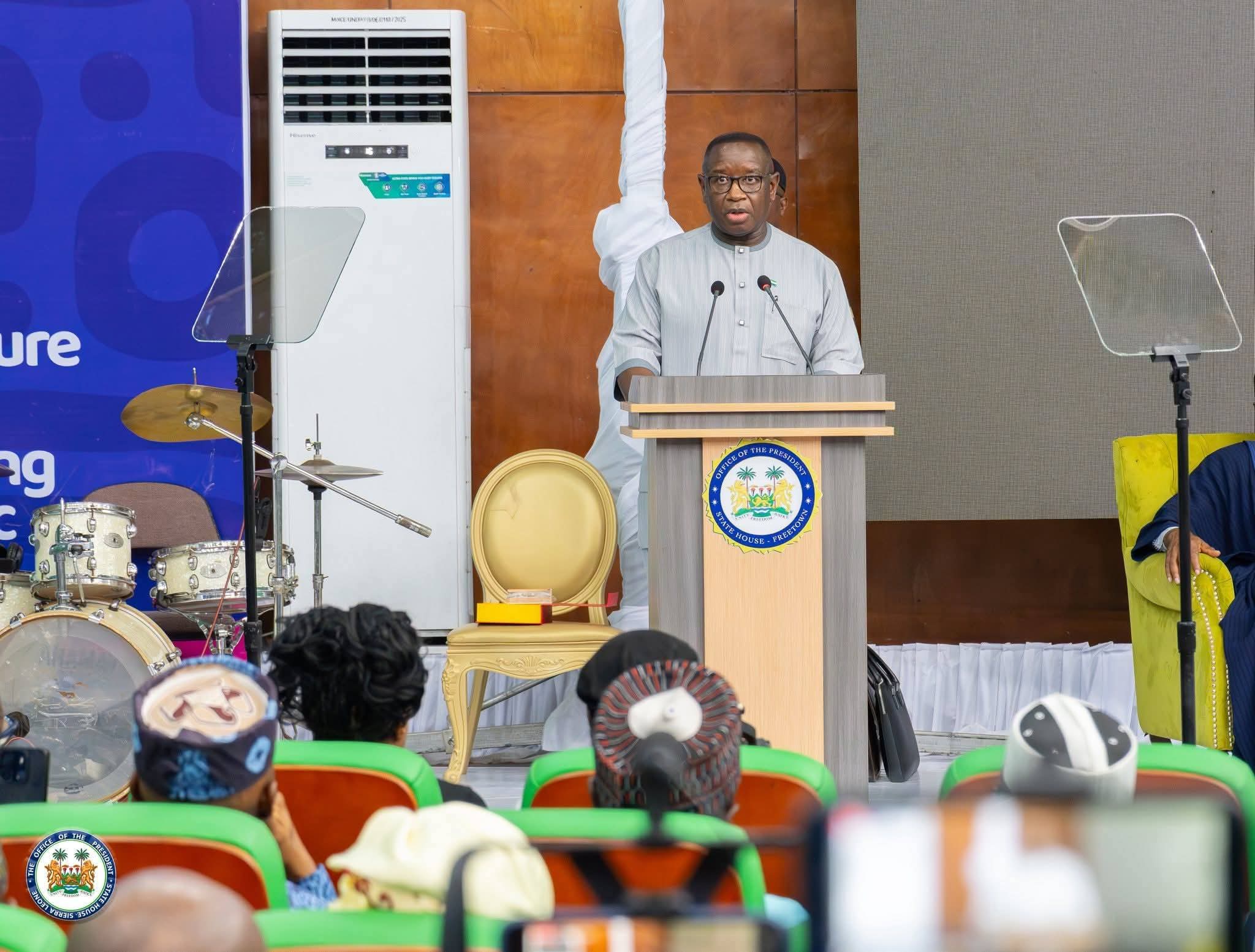


The declaration of 18 January as National Remembrance Day by His Excellency President Dr Julius Maada Bio represents not only an act of national reflection, but a powerful educational milestone in Sierra Leone’s post-war journey. By implementing a long-standing recommendation of the Truth and Reconciliation Commission (TRC), the President has reinforced the role of collective memory, civic learning, and historical consciousness in shaping a peaceful and informed society.
The brutal civil war that began on 23 March 1991 disrupted every sector of national life, including education. Schools were destroyed, teachers displaced or killed, and an entire generation of children was denied safe and consistent learning. Thousands of young people were forced into armed groups instead of classrooms, while fear and displacement severed the link between education and opportunity. The war left behind not only physical destruction, but deep gaps in learning, values, and social cohesion.

With the end of the conflict on 18 January 2002, when the late President Dr Ahmad Tejan Kabbah declared “D War Don Don,” Sierra Leone embarked on the difficult task of rebuilding its education system alongside national reconciliation. However, rebuilding classrooms alone was not enough. The country needed to rebuild minds, restore trust, and educate citizens about the causes, consequences, and lessons of the war to prevent future generations from repeating the same mistakes.
It was within this context that the Truth and Reconciliation Commission was established. Beyond documenting atrocities, the TRC played a vital educational role by preserving national history, amplifying the voices of victims, and producing recommendations aimed at promoting civic education, good governance, human rights, and youth inclusion. One of its most significant recommendations was the annual commemoration of 18 January as a day of remembrance and learning, to ensure that the horrors of the war are neither forgotten nor normalized.

The formal declaration of National Remembrance Day on 11 December 2025, during the Civic Festival organized by the Ministry of Information and Civic Education, gives renewed meaning to this educational mandate. National Remembrance Day now provides an opportunity for schools, universities, and communities to engage learners in dialogue about peace, tolerance, democracy, and responsible citizenship. It creates space for curriculum enrichment, intergenerational learning, and national storytelling that strengthens identity and social responsibility.
President Bio’s broader implementation of TRC recommendations further underscores the link between education, justice, and sustainable peace. The abolition of the death penalty affirms the value of human life as a core civic lesson. The introduction of a 30 percent quota for women in governance promotes gender equity as a principle to be taught and practiced. Reforms in access to justice, child protection, media freedom, and the development of a people-driven constitution all contribute to an enabling environment where education can thrive and democratic values can be nurtured.
Through these actions, President Bio has demonstrated that remembrance is not only about honoring the past, but about educating the present and safeguarding the future. By embedding the lessons of the civil war into national consciousness and learning spaces, Sierra Leone strengthens its commitment to peace, critical thinking, and civic responsibility. National Remembrance Day thus stands as both a solemn tribute and a living classroom, reminding the nation that education remains one of its strongest defenses against conflict and division.









 EduTimes Africa, a product of Education Times Africa, is a magazine publication that aims to lend its support to close the yawning gap in Africa's educational development.