












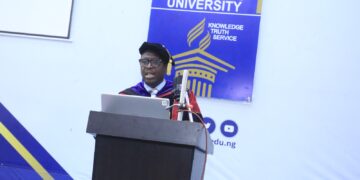












































The Chairman of Topfaith University, Emmanuel Abraham, has backed plans to allow universities decide how they admit students, saying it could reshape how admission works in Nigeria.
The move, earlier announced by the Minister of Education, Tunji Alausa, means universities may soon have more control over selecting candidates into different courses.

Speaking in his office on Tuesday, Abraham said the policy would strengthen university autonomy, especially in deciding who gets admitted and on what basis.
“When you talk of university autonomy, it implies the capacity of the institution to take crucial decisions — and one of such decisions is who to admit,” he said.

According to him, admission decisions
should go beyond just exam scores and consider factors like available facilities, staffing, societal needs, and the vision of the institution.
For students, this could mean admission may no longer depend solely on scores, but also on how well candidates fit into a university’s priorities and capacity.
Abraham urged stakeholders to support the policy, describing it as a necessary step if the government is serious about giving universities more independence.
He also dismissed claims of widespread admission racketeering, saying such allegations remain largely unproven.
“Yes, there are stories about candidates who score 300 and above and are denied admission for those who scored less, but I haven’t heard of anybody being prosecuted,” he said.
As conversations around admission reform continue, the big question for many students is: will more university control make the system fairer — or more unpredictable?















 EduTimes Africa, a product of Education Times Africa, is a magazine publication that aims to lend its support to close the yawning gap in Africa's educational development.