



























































For many undergraduates, academic excellence has long been viewed as the primary pathway to securing good internship opportunities. In the past, a strong grade point average was often enough to attract the attention of organisations and employers. Today, however, the reality is different. As the number of students seeking internships continues to rise, competition has become more intense, and good grades alone are no longer sufficient.
This shift does not mean that academics have lost their value. On the contrary, academic performance still plays an important role in internship selection processes. It reflects discipline, consistency, and the ability to meet expectations. However, employers are increasingly interested in more than what appears on a transcript. They want to understand what a student can do in practice and how they have applied their knowledge outside the classroom.
One of the key factors recruiters now look for is experience, but this does not necessarily mean professional or corporate experience. For undergraduates, experience is often reflected in involvement, contribution, and initiative. Organisations want to see evidence of skills developed through real-life activities, what a student has worked on, contributed to, or helped improve.
Leadership roles within the university environment provide a strong example. Serving as a course representative, student leader, or member of an academic or social organisation helps students develop communication, problem-solving, and teamwork skills. These experiences demonstrate responsibility and the ability to work effectively with others, qualities that are highly valued during internship selection.
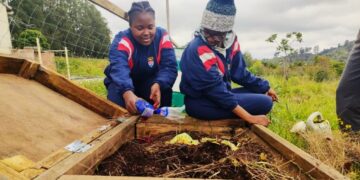
Volunteering also plays a significant role in building a strong internship profile. Participation in community service, student organisations, media teams, or non-profit initiatives shows commitment, initiative, and a willingness to contribute beyond personal academic goals. Even small or informal volunteering experiences can help students gain practical exposure and transferable skills.

In addition, personal projects and skill development are becoming increasingly important. Writing articles, managing a blog, learning digital tools, organising events, creating content, or working on creative or research projects all help students build competence and confidence. These activities provide tangible evidence of skills and make internship applications more competitive.
Ultimately, securing internship opportunities in today’s environment requires a balanced approach. Academic excellence remains important, but it must be complemented by relevant skills, experience, and demonstrated initiative. Students who intentionally combine strong academics with active involvement and continuous learning position themselves more effectively for internship opportunities.
In a competitive world, it is no longer enough to be academically qualified alone. Undergraduates who take advantage of available opportunities, contribute meaningfully, and develop practical skills are better prepared, not only for internships, but for long-term career growth.
____________________________
Raphael Kolawole is a Nigerian writer and a final-year Mass Communication student with a strong interest in public relations and marketing communication. His writing focuses on education, media, and youth development, with particular attention to how students can position themselves for opportunities beyond the classroom. His works have appeared on platforms such as Punch Newspapers and TheCable.
LinkedIn profile:
https://www.linkedin.com/in/raphael-kolawole













 EduTimes Africa, a product of Education Times Africa, is a magazine publication that aims to lend its support to close the yawning gap in Africa's educational development.