



























































For many polytechnic students, graduation often comes with a big question mark: What skills do I really have, and where do they fit in today’s economy? That concern is now shaping how policymakers are talking about the future of polytechnic education in Nigeria.
Recent discussions around the sector point to a clear direction — polytechnics are being positioned as centres for practical skills, innovation, and job creation, not just certificate-awarding institutions.

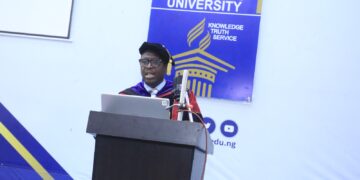
At a retreat organised by the Council for Heads of Polytechnics and Colleges of Technology in Nigeria (COHEADS), the Minister of Education, Dr Tunji Alausa, urged polytechnics to place innovation, good governance, and sustainability at the core of their operations to support national development.
Speaking at the event themed “Transforming polytechnic education in Nigeria: Innovation, good governance and sustainability for national development,” Alausa said the Federal Ministry of Education is prioritising the revitalisation of Technical and Vocational Education and Training (TVET) to produce industry-ready graduates with strong problem-solving skills.

According to him, polytechnics must go beyond classroom theory by setting up entrepreneurship centres, research hubs, and strong industry partnerships that can help students turn ideas into real products and businesses.
“Innovation must be the heartbeat of our polytechnics,” Alausa said, stressing that institutions should focus on producing graduates who are job creators, not just job seekers.
He also pointed to sectors where polytechnics can make immediate impact, including renewable energy, agricultural technology, digital manufacturing, and climate-resilient solutions — areas directly linked to Nigeria’s development needs.
Beyond skills and innovation, the minister emphasised the importance of transparency, accountability, and ethical leadership, warning that governing councils must operate with zero tolerance for corruption.
On sustainability, he said polytechnics need long-term funding models, stronger internally generated revenue, eco-friendly campuses, and infrastructure that supports local production rather than import dependence.
The Chairman of COHEADS, Dr Sani Tunga, said stronger collaboration is needed to reposition polytechnic education and maximise its role in national economic diversification.
He noted that polytechnics are critical to producing skilled and entrepreneurial manpower, but face challenges such as inadequate funding, outdated infrastructure, governance gaps, and the need to keep training aligned with rapidly changing industry demands.
According to Tunga, the retreat provided an opportunity to explore innovative approaches to curriculum development, research, and industry partnerships that reflect 21st-century realities.
He also highlighted recurring conflicts between governing councils, management, and staff unions, which often disrupt academic activities and slow institutional progress. The retreat, he said, offers a platform for dialogue, role clarification, and shared best practices to reduce such tensions.
Also speaking, the Executive Secretary of the National Board for Technical Education (NBTE), Professor Idris Bugaje, said the TVET sector is beginning to see renewed progress after years of challenges.
He explained that recent policy reforms are gradually repositioning technical education for national development, with the proposed amendment of the Polytechnic Act already reaching an advanced stage in the National Assembly.
According to Bugaje, the amendment would allow polytechnics to award National Diplomas (ND) and Bachelor of Technology (B.Tech) degrees in science, technology, and engineering programmes. Non-science programmes would retain the Higher National Diploma (HND) structure, with clear progression routes to postgraduate diplomas and master’s degrees.
He also disclosed that technical education has been made free in Federal Technical Colleges, with stipends introduced to boost enrolment and retention.
In addition, Skills Training Centres have been established across the country, engaging thousands of trainers to equip young Nigerians with practical, employable skills.
For current and prospective polytechnic students, these reforms signal a growing push to make technical education more relevant to the real world. If sustained, the focus on skills and innovation could redefine polytechnics as pathways to opportunity, creativity, and economic relevance in Nigeria’s changing job market.














 EduTimes Africa, a product of Education Times Africa, is a magazine publication that aims to lend its support to close the yawning gap in Africa's educational development.