












































For many women in Biu, the chance to sit in a classroom again once felt lost forever. On Thursday, that hope was restored.
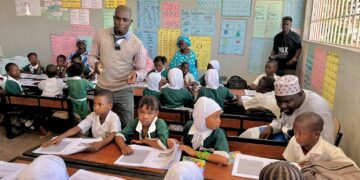
Borno State Governor, Babagana Zulum, commissioned a fully remodelled Second Chance School in Biu Local Government Area, giving vulnerable women and girls who missed formal education a new opportunity to learn, grow, and rebuild their lives.
The school is designed for adult women who dropped out of school due to poverty, displacement, or the impact of insurgency. Its curriculum combines basic literacy and numeracy with digital skills and practical training aimed at self-reliance.
“This centre will help women become independent and contribute meaningfully to the development of Biu and surrounding communities,” Zulum said during the commissioning.

The Biu school is the third of its kind in the state, joining similar learning centres already operating in Maiduguri and Bama.
Beyond education, the governor announced wider support for livelihoods in the area. He approved the disbursement of ₦1 billion in grants to small and medium-scale entrepreneurs across five local governments—Biu, Hawul, Shani, Kwaya-Kusar, and Bayo—communities recovering from years of conflict.
To address unemployment and youth restiveness, Zulum also ordered the immediate employment of 200 youths from Biu Local Council.
At Biu Specialist Hospital, the governor offered relief to long-serving volunteer health workers, approving their automatic employment in recognition of their dedication.
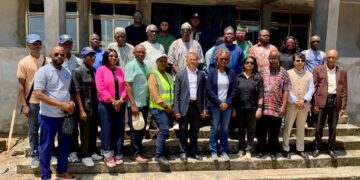
He further inspected a 100-unit teachers’ housing estate under construction, describing it as a key step toward attracting qualified teachers to public schools, and directed the immediate rehabilitation of the Borno State Hotel (BOSH) Annex in Biu.
For many residents, the governor’s visit was more than a routine inspection—it was a reminder that recovery, dignity, and opportunity are gradually returning to communities once left behind.
Zulum Gives Vulnerable Girls a Fresh Start as ‘Second Chance School’ Opens in Biu
For many women in Biu, the chance to sit in a classroom again once felt lost forever. On Thursday, that hope was restored.
Borno State Governor, Babagana Zulum, commissioned a fully remodelled Second Chance School in Biu Local Government Area, giving vulnerable women and girls who missed formal education a new opportunity to learn, grow, and rebuild their lives.
The school is designed for adult women who dropped out of school due to poverty, displacement, or the impact of insurgency. Its curriculum combines basic literacy and numeracy with digital skills and practical training aimed at self-reliance.
“This centre will help women become independent and contribute meaningfully to the development of Biu and surrounding communities,” Zulum said during the commissioning.
The Biu school is the third of its kind in the state, joining similar learning centres already operating in Maiduguri and Bama.
Beyond education, the governor announced wider support for livelihoods in the area. He approved the disbursement of ₦1 billion in grants to small and medium-scale entrepreneurs across five local governments—Biu, Hawul, Shani, Kwaya-Kusar, and Bayo—communities recovering from years of conflict.
To address unemployment and youth restiveness, Zulum also ordered the immediate employment of 200 youths from Biu Local Council.
At Biu Specialist Hospital, the governor offered relief to long-serving volunteer health workers, approving their automatic employment in recognition of their dedication.
He further inspected a 100-unit teachers’ housing estate under construction, describing it as a key step toward attracting qualified teachers to public schools, and directed the immediate rehabilitation of the Borno State Hotel (BOSH) Annex in Biu.
For many residents, the governor’s visit was more than a routine inspection—it was a reminder that recovery, dignity, and opportunity are gradually returning to communities once left behind.











 EduTimes Africa, a product of Education Times Africa, is a magazine publication that aims to lend its support to close the yawning gap in Africa's educational development.