



















































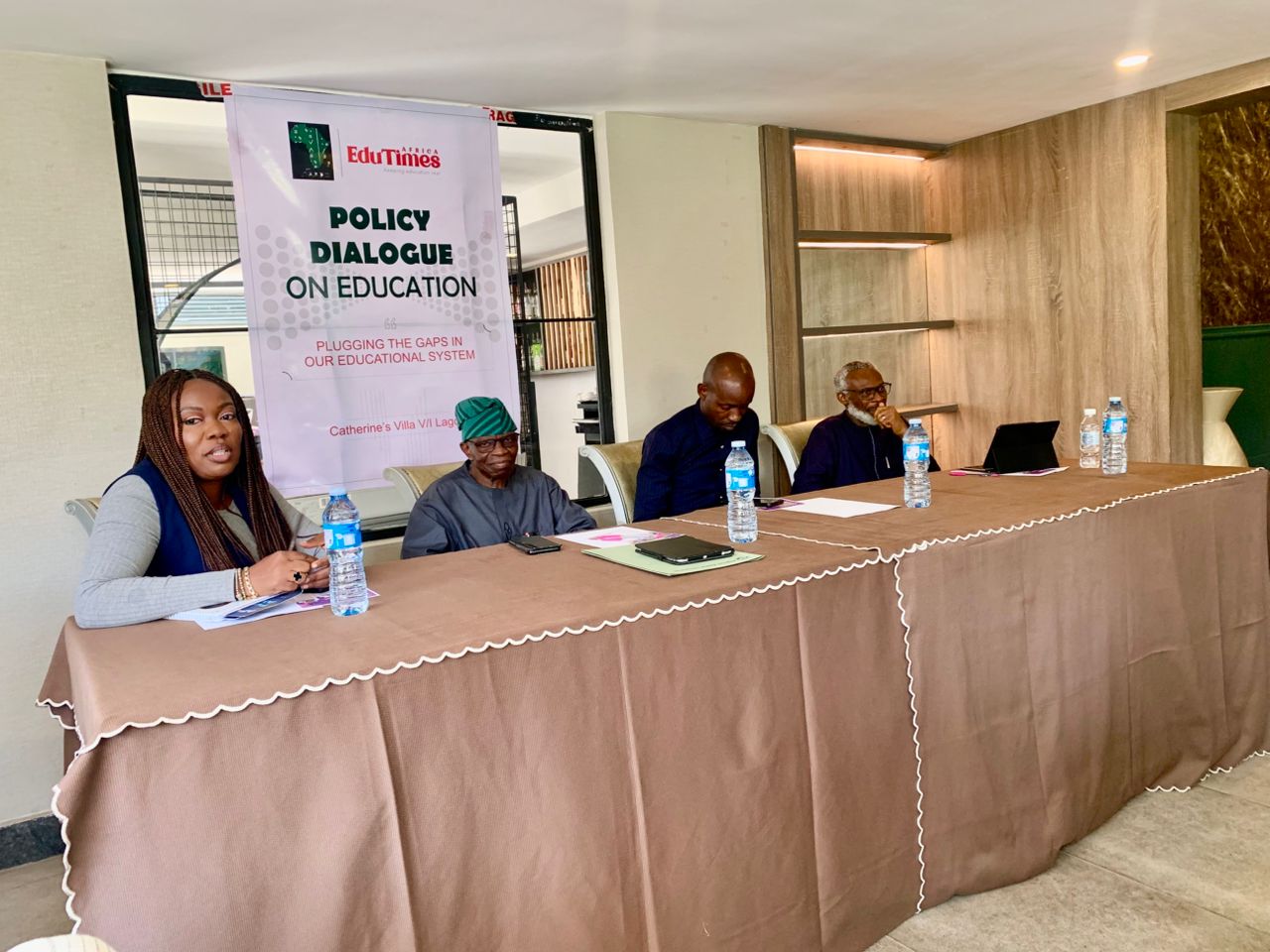


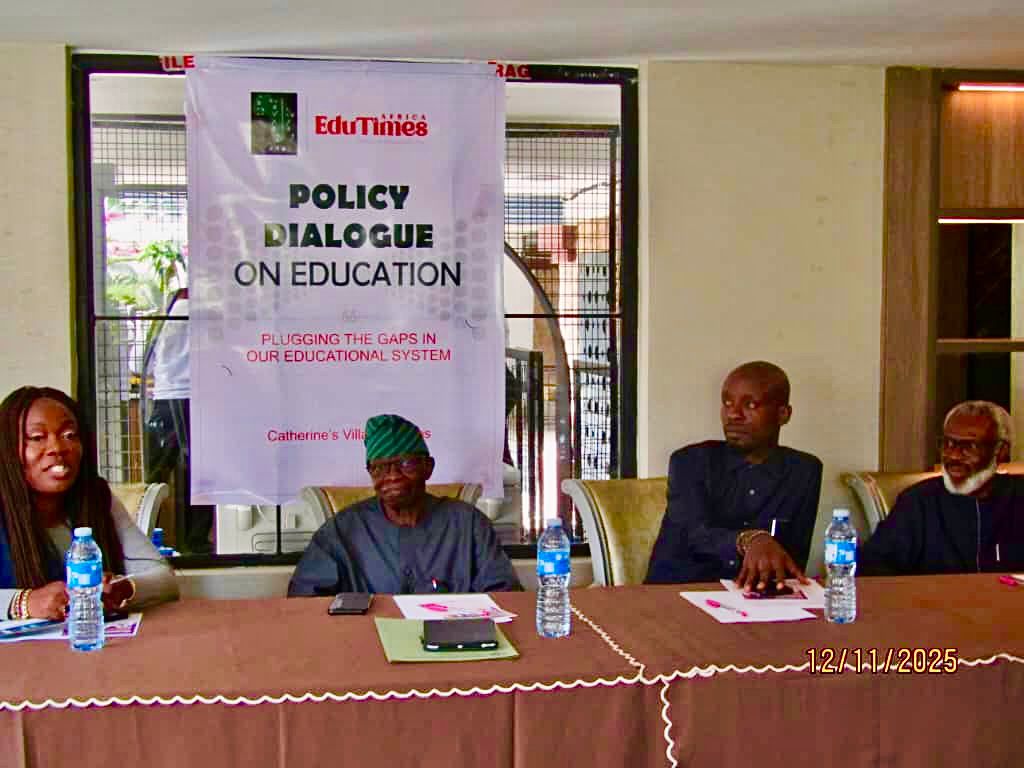
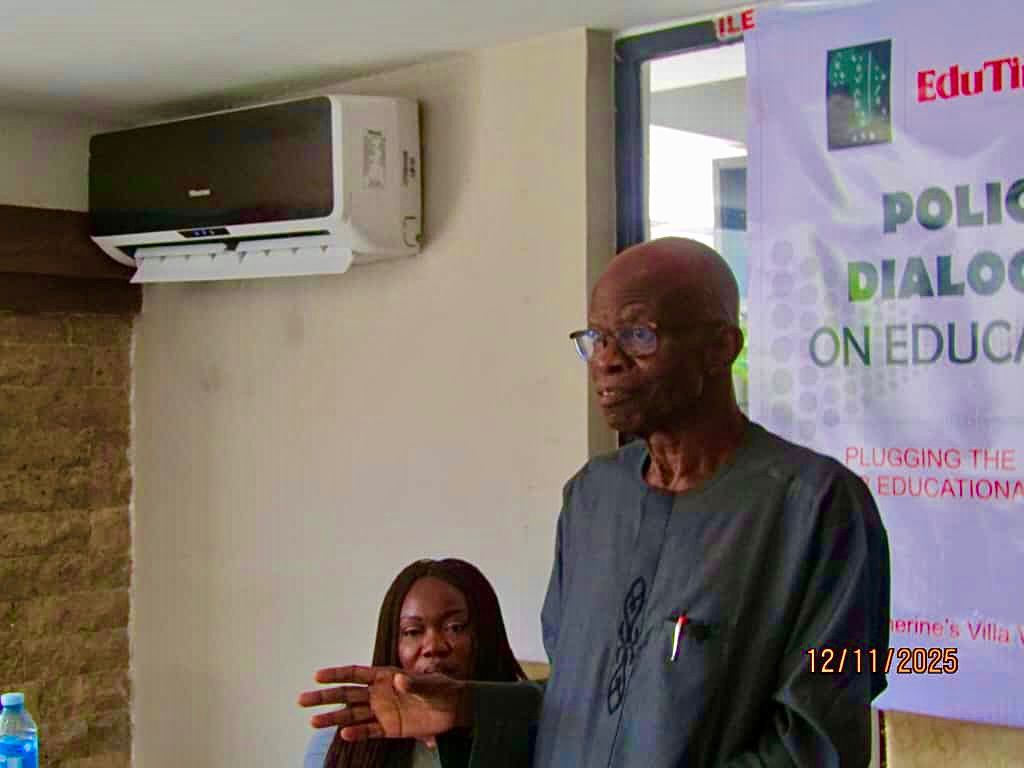
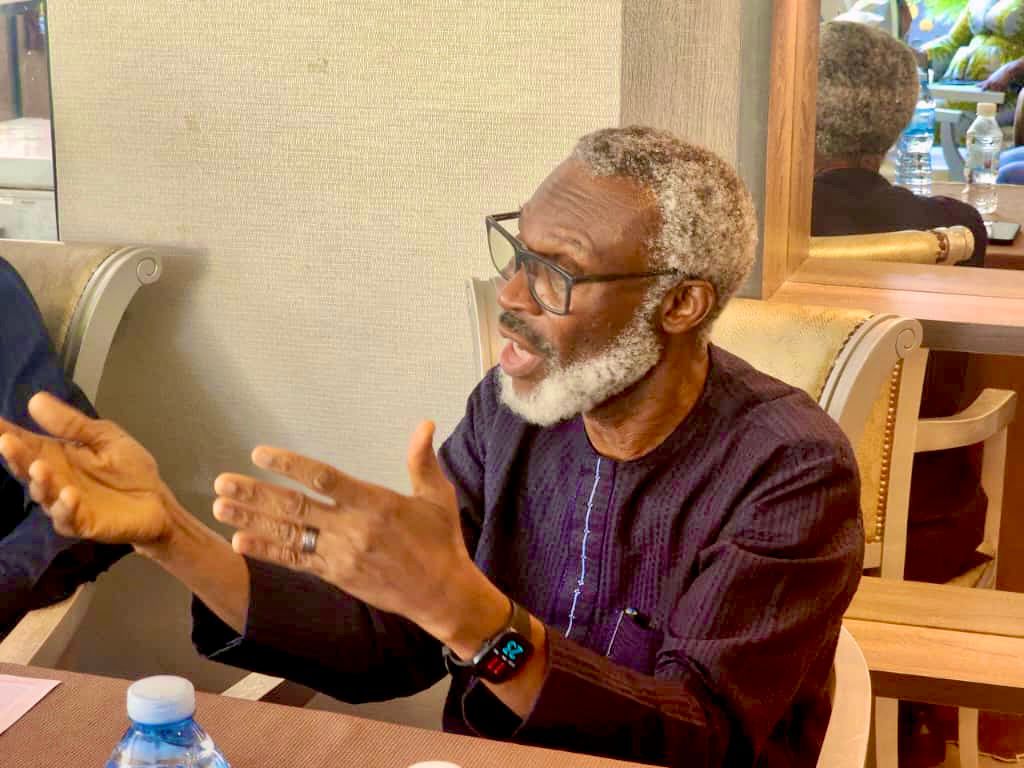
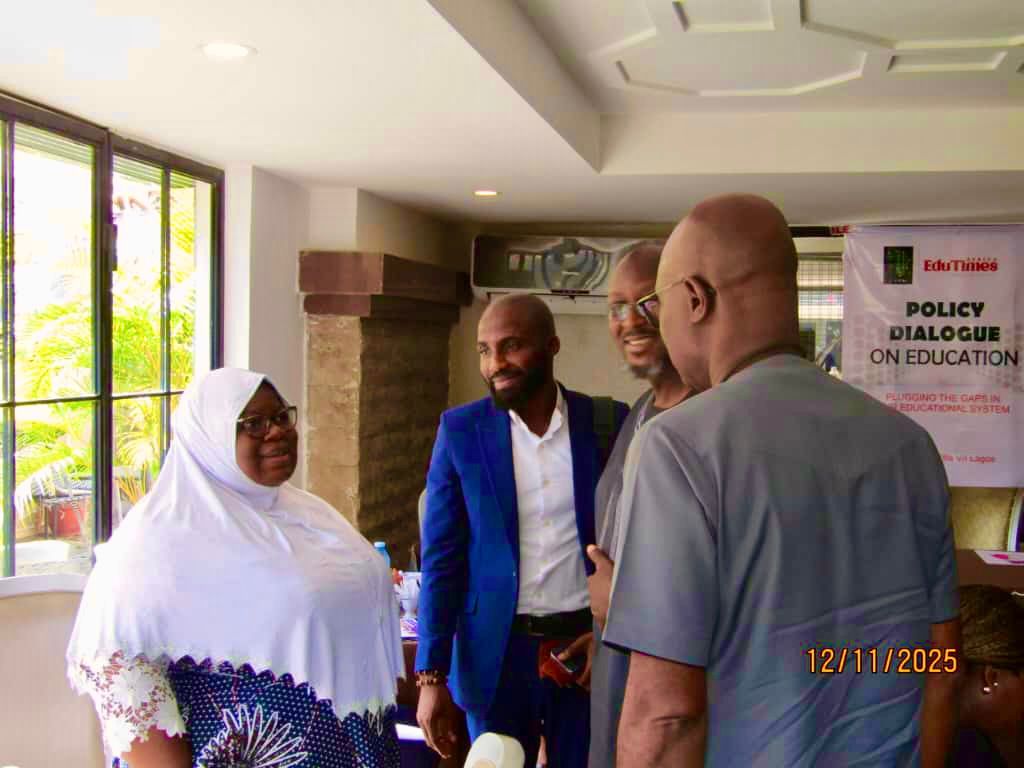
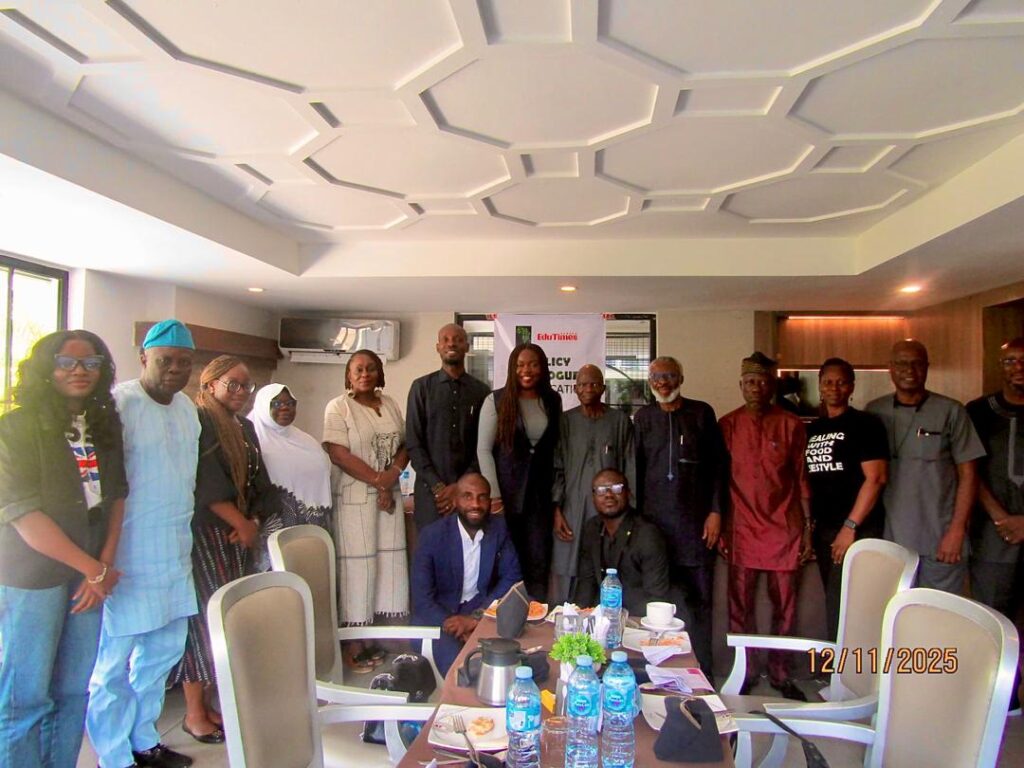
Thought leaders, educators, policy experts, and development practitioners converged in Lagos on Thursday, November 13, 2025, for a strategic conversation on the future of Nigeria’s education sector. The event, titled Plugging the Gaps in Our Educational System, was held at Catherine’s Villa, Victoria Island, and jointly convened by EduTimes Africa and the African Resource Development Centre (ARDC).


The dialogue brought together key participants in the education space committed to strengthening Nigeria’s learning systems and aligning education with national development goals.

A Star-Studded Panel
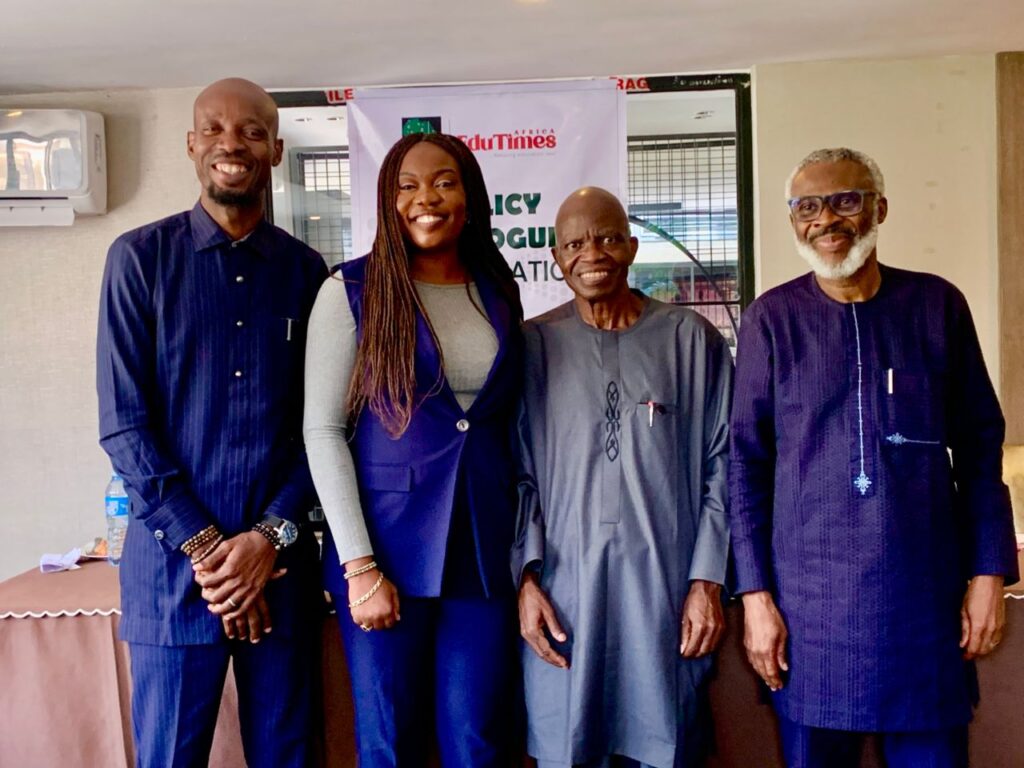
Moderated by a distinguished Communication scholar and broadcast media professional, Dr. Funmilayo Onuajefe of the School of Media and Communication at Pan Atlantic University, proceedings at the event flowed from presentations made by an eminent panel of three professionals who truly know.

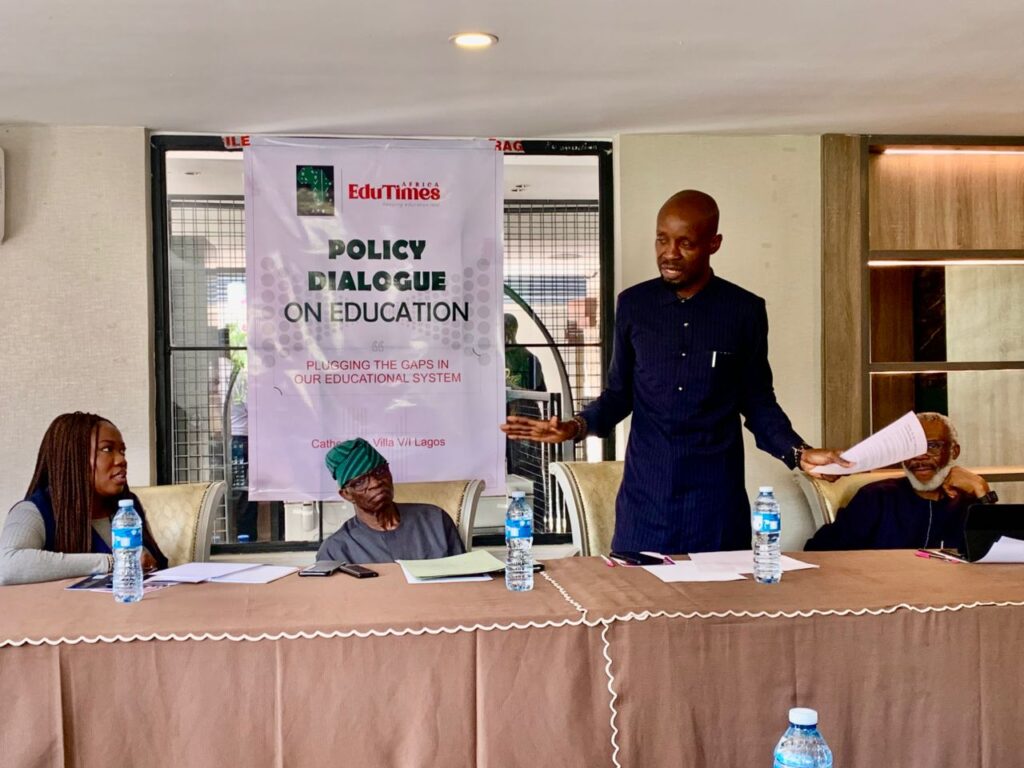
Delivering the first presentation, dynamic education policy expert and thought leader, Dr. Oluwaseyi Anifowoshe, spoke on “Getting the Best out of Teachers towards Improving Student Outcomes.” He emphasised that teacher competence and motivation remain foundational to any successful reform, affirming their role as the single biggest determinant of learning outcomes.
“If we are serious about improving student performance, we must be equally serious about empowering and upskilling our teachers.”
Anifowoshe, known globally for convening the Guinness World Record-setting Largest Gathering of Teachers, called for investment in professional development frameworks that promote innovation, excellence, and measurable learning results. Flowing from his doctoral research thesis, he proposed the “Four Doors of Educational Change” as a framework by which tangible improvements could be made to Nigerian education. The doors are: Curriculum Rethink and Revamp, Students Learning Experience, Government Policy Actions, and Teachers’ Condition of Service and Welfare.
Of the four doors, Dr. Anifowoshe underscored the importance of the Teacher Door in making the other doors work well and thus make the education sector deliver on its mandate to the nation successfully. He bemoaned the way the Nigerian society perceives teachers and how it consequently regards and rewards them.
“Teachers are the single biggest determinants of learning outcomes”, he declared.
A Change of Curriculum Orientation
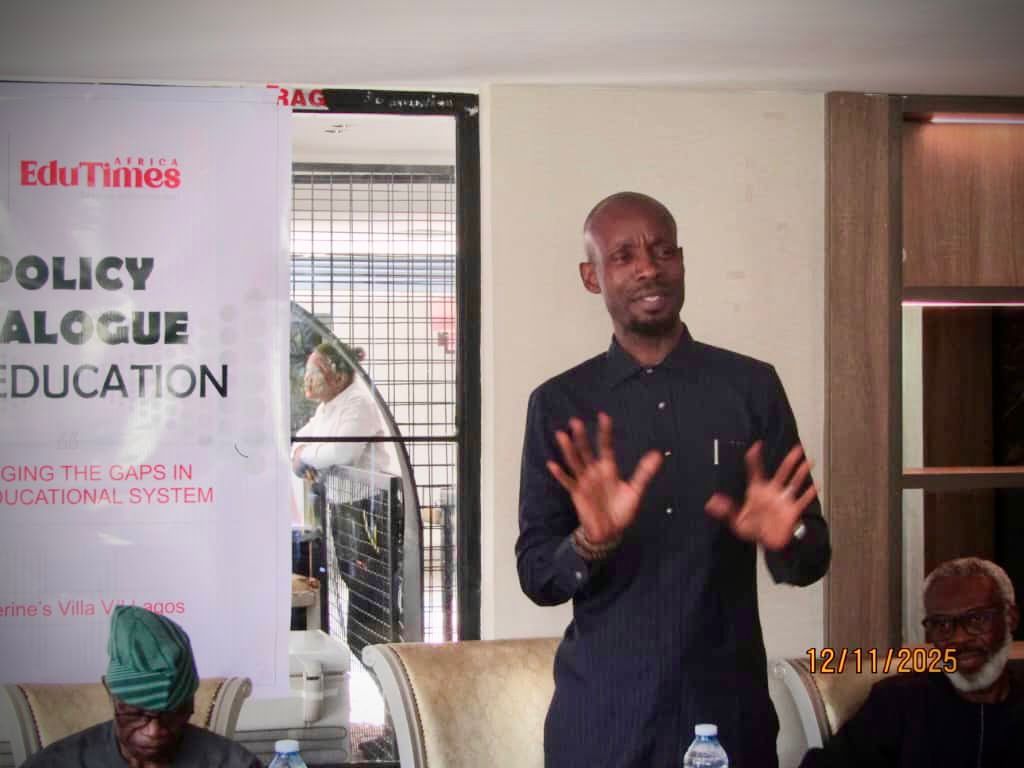
The discussion then shifted to curriculum relevance with a presentation by Dr. Babatunde Obrimah on “Revising the Nigerian School Curriculum to Be Relevant for the Digital Age and to Impact Nigeria’s Economic Development.” The serial investor and finance technology (FinTech) guru argued that Nigeria’s current learning content no longer reflects the demands of the modern economy.
“Curriculum relevance must mirror economic relevance,” he said. “If the classroom fails to adapt to the digital age, the labour market will continue to face widening skill mismatches.”

Dr. Obrimah advocated for a curriculum overhaul grounded in digital readiness, entrepreneurship, experiential learning, and future-of-work competencies.
“If there is a need for an overhaul of our curriculum, the time is now! We should start by changing its orientation from teaching people to memorise and regurgitate information to thinking creatively and strategically. We must ask ourselves, “Are we training for tomorrow or for yesterday?”
He decried the entrenched culture of government agencies working in silos, and called for a culture of interoperability whereby government agencies, programmes, and policies synchronise and seamlessly tap on the industry and efficiency of the private sector to deliver on national objectives.
“Nigeria must do away with the silos mentality. In our quest for tangible and sustainable development, only a PPP (Public-Private Partnership) model will work – with the private doing the implementing.”

From Certificate to Competence: An Imperative Shift
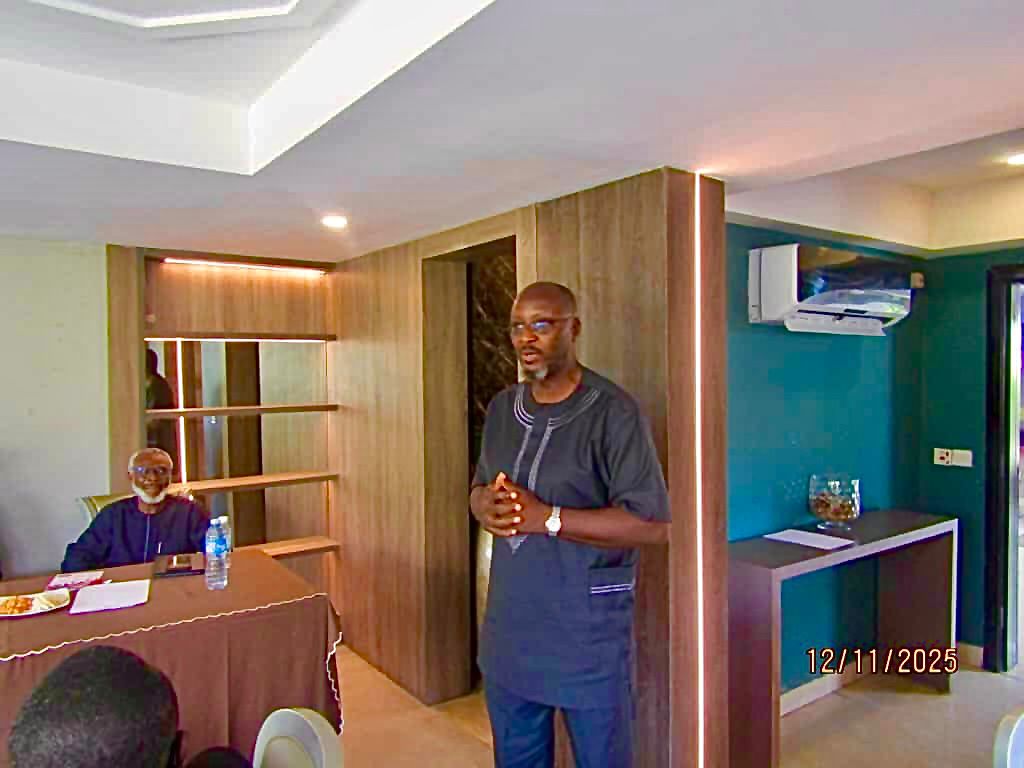
The final presentation was delivered by Professor Joseph Olusegun Ajibola (PhD, FCIB), an economist and financial sector expert, on the topic “Nigerian Graduates in the Employment Market: Closing the Gap.” He examined employer expectations versus graduate preparedness and called for a shift from certificate-based education to competence-based training.
“Employers are not just looking for certificates, they are looking for competence,” Professor Ajibola affirmed. “Nigeria must strengthen the connection between higher education institutions and industry if we truly want employable graduates.”
The former President of the Chartered Institute of Bankers of Nigeria (CIBN) charged governments and policy makers to give increased attention to the education sector and ramp up the amount of investment that goes into making the sector relevant to the industry and the economy at large. He identified nine gaps in Nigeria’s education system and made incisive recommendations for each one.
Speaking directly to the leadership class of the country, he submitted in the measured tone of an elder, “If you think education is expensive, try ignorance.”
A Rubbing of Minds
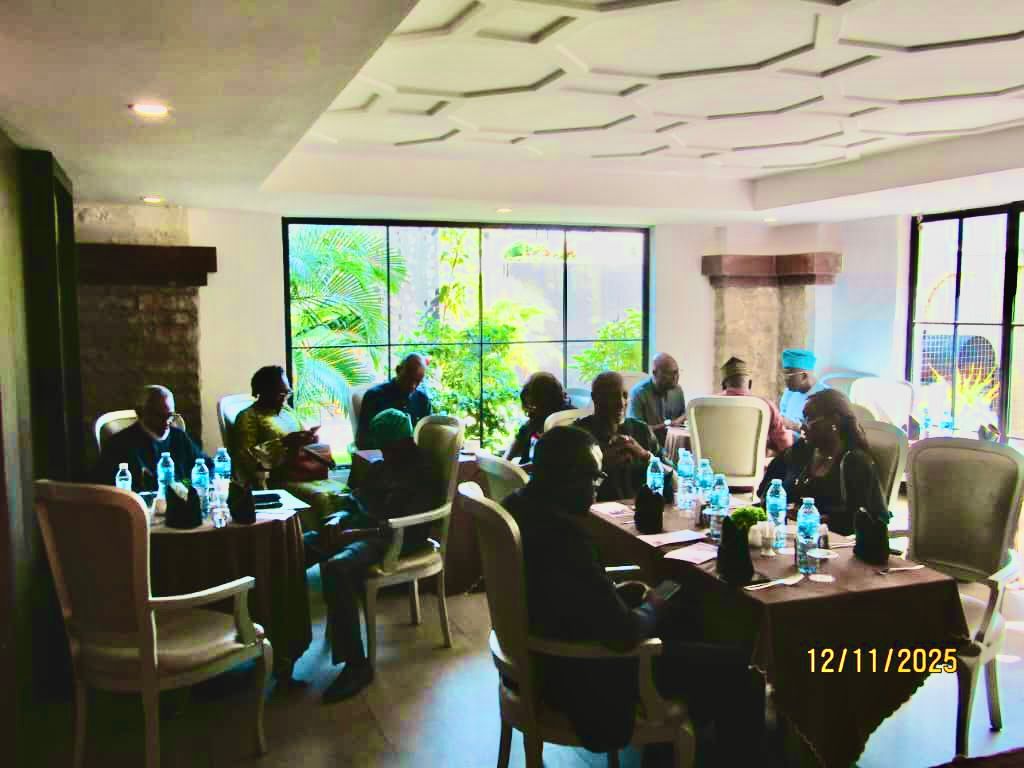
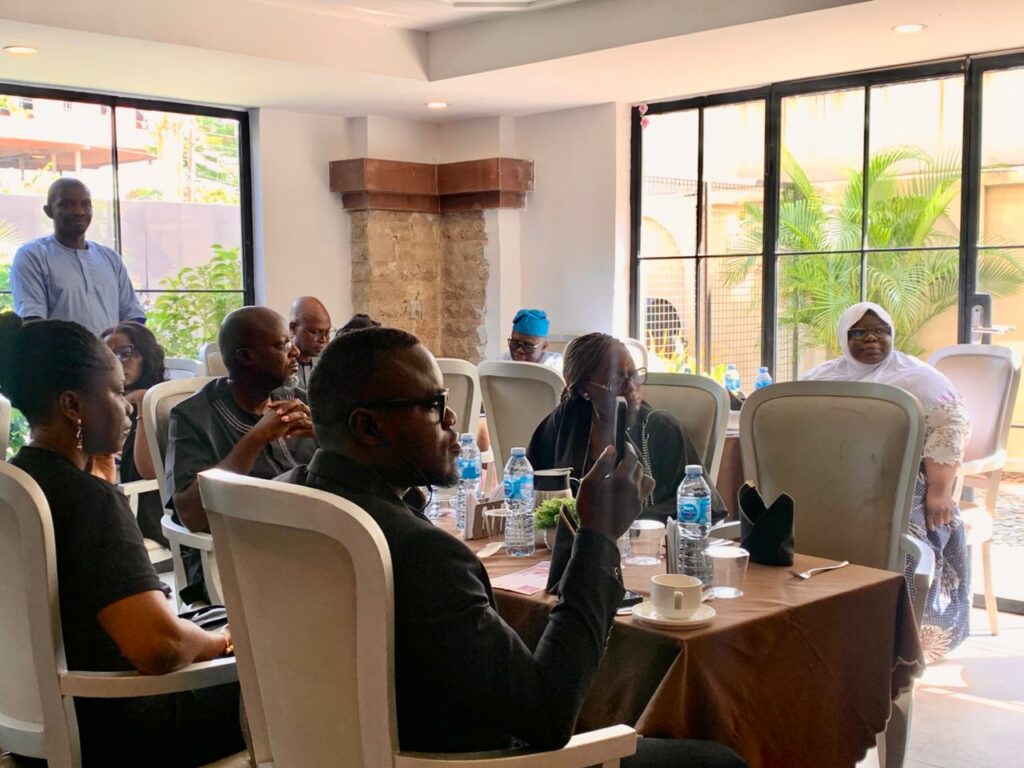
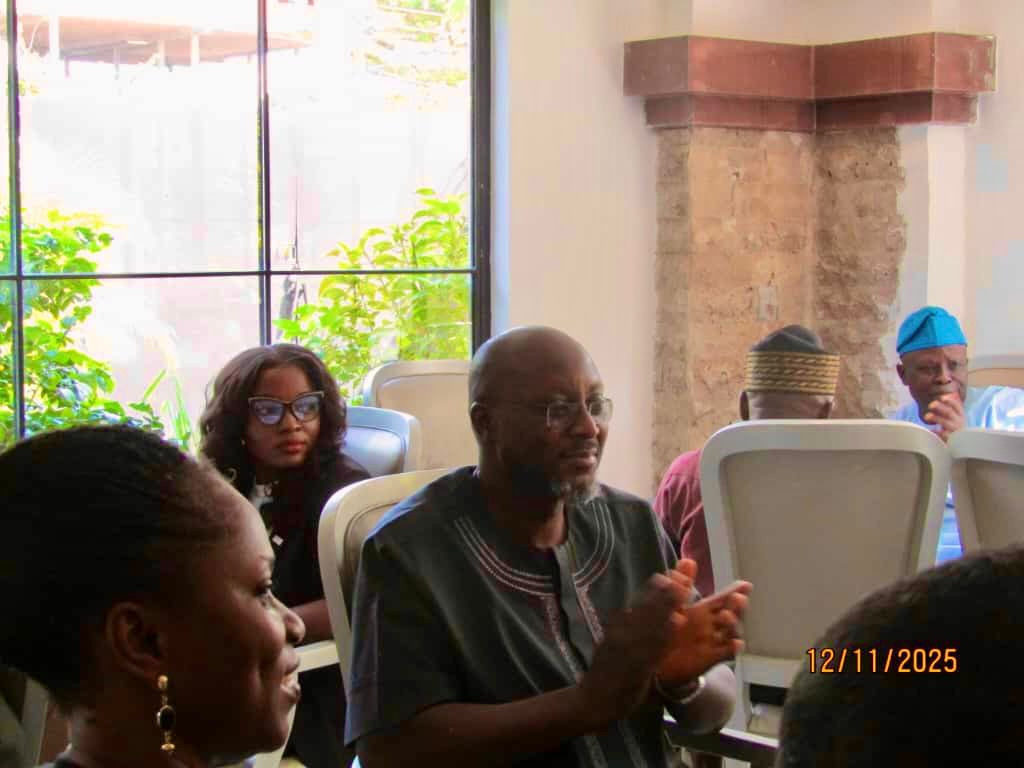
Following the presentations, participants engaged in an interactive dialogue reflecting on the challenges, opportunities, and actionable strategies for change. The atmosphere was one of urgency, collaboration, and shared responsibility.
Co-Convener of the policy dialogue and CEO/Editor-in-Chief of EduTimes Africa, Mr. Oladapo Akande, gave the vote of thanks. He expressed gratitude to all participants for enriching the discourse with their expert submissions and expressed the commitment of the two host organisations to escalate resolutions to authorities in the Nigerian education sector.
As the event concluded, one message stood firm: Nigeria’s education system is at a defining moment. While the gaps are significant, the expertise, passion, and resolve demonstrated at the dialogue reflect growing momentum for coordinated reform.
The consensus among stakeholders was clear: education must be intentional, relevant, and future-driven, and transforming it will require sustained partnerships across government, institutions, industry, and civil society.
The University of Lagos was represented at the event by the duo of Mrs Adejoke Alaga-Ibraheem, Head of the Communication Unit, and Mr. Isaiah Kumuyi, a Senior Assistant Registrar (New Media & Publicity) at the Communication Unit.
Report: Isaiah Kumuyi
Photography: Isaiah Kumuyi & Edutimes Africa Media











 EduTimes Africa, a product of Education Times Africa, is a magazine publication that aims to lend its support to close the yawning gap in Africa's educational development.