


















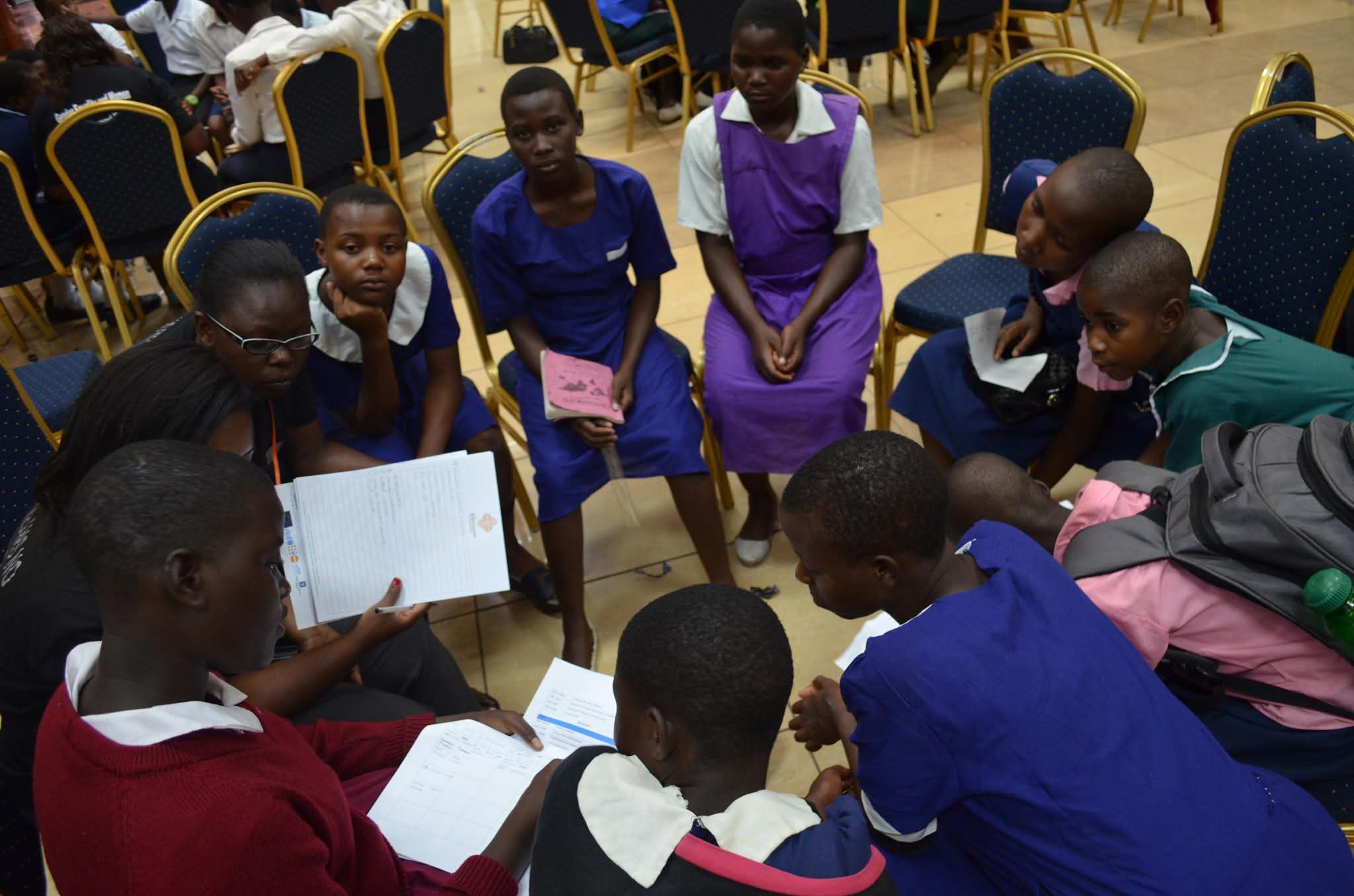


The Government of Malawi has announced the introduction of Free Secondary Education (FSE) in public schools, a landmark policy aimed at expanding access to education and strengthening human capital development across the country.
The announcement was made through an official press release following the opening of Parliament for the mid-year budget review, during which President Professor Arthur Peter Mutharika reaffirmed the government’s commitment to making secondary education progressively free.

According to the government, the policy aligns with international human rights standards that recognise education as a fundamental right. While primary education is compulsory and free, secondary education is expected to be progressively made free under international law, including the International Covenant on Economic, Social and Cultural Rights (ICESCR). The move also supports the United Nations Sustainable Development Goal 4, which seeks to ensure that all girls and boys complete free, equitable and quality primary and secondary education by 2030.
The introduction of Free Secondary Education is further anchored in Malawi’s long-term development blueprint, Malawi 2063, which prioritises human capital development through education, skills and health. It also supports the National Education Sector Implementation Plan (NESIP) 2020–2030, which aims to make 12 years of formal education compulsory, including secondary education.

Under the implementation strategy, the government has abolished all examination and identification fees charged by the Malawi National Examination Board (MANEB) for public school students at both primary and secondary levels, with immediate effect.
In addition, the School Development Fund (SDF) and other user fees in all public day secondary schools will be abolished starting from 1 January 2026. This means that students attending public day secondary schools will no longer be required to pay any fees.
However, the government clarified that boarding fees will continue to be charged in government boarding secondary schools and Open Secondary Schools (OSS) until further notice. Similarly, grant-aided schools operating under the Association of Christian Educators in Malawi (ACEM) will continue collecting boarding fees only, while the government covers SDF and other user fees through direct grants and Other Recurrent Transactions (ORT).

To support the rollout of the policy, the government has already released the first tranche of funding to Education Division offices ahead of the second school term, which begins on Monday, 5 January 2026. Transfers to individual schools are expected to be completed before the start of the term, with the remaining balance scheduled for disbursement before the end of January 2026.
Funding under the Free Secondary Education programme will be allocated based on student enrolment to ensure equity and efficiency. The funding applies to all public schools, regardless of their category or geographical location.
The government also disclosed that all public schools have been fully funded in arrears through ORT up to December 2025. This, it said, will help cushion schools as they begin the new term while awaiting the second tranche of funding.

Schools will continue to receive ORT funding alongside SDF matching funds, while bursary providers will maintain their support for students by covering boarding fees and other entitlements.
The introduction of Free Secondary Education is expected to significantly reduce financial barriers to schooling, improve enrolment and retention at the secondary level, and contribute to the country’s broader socio-economic development goals.






 EduTimes Africa, a product of Education Times Africa, is a magazine publication that aims to lend its support to close the yawning gap in Africa's educational development.