













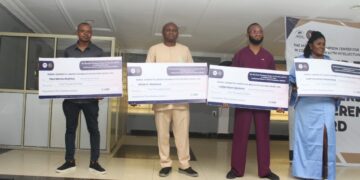

























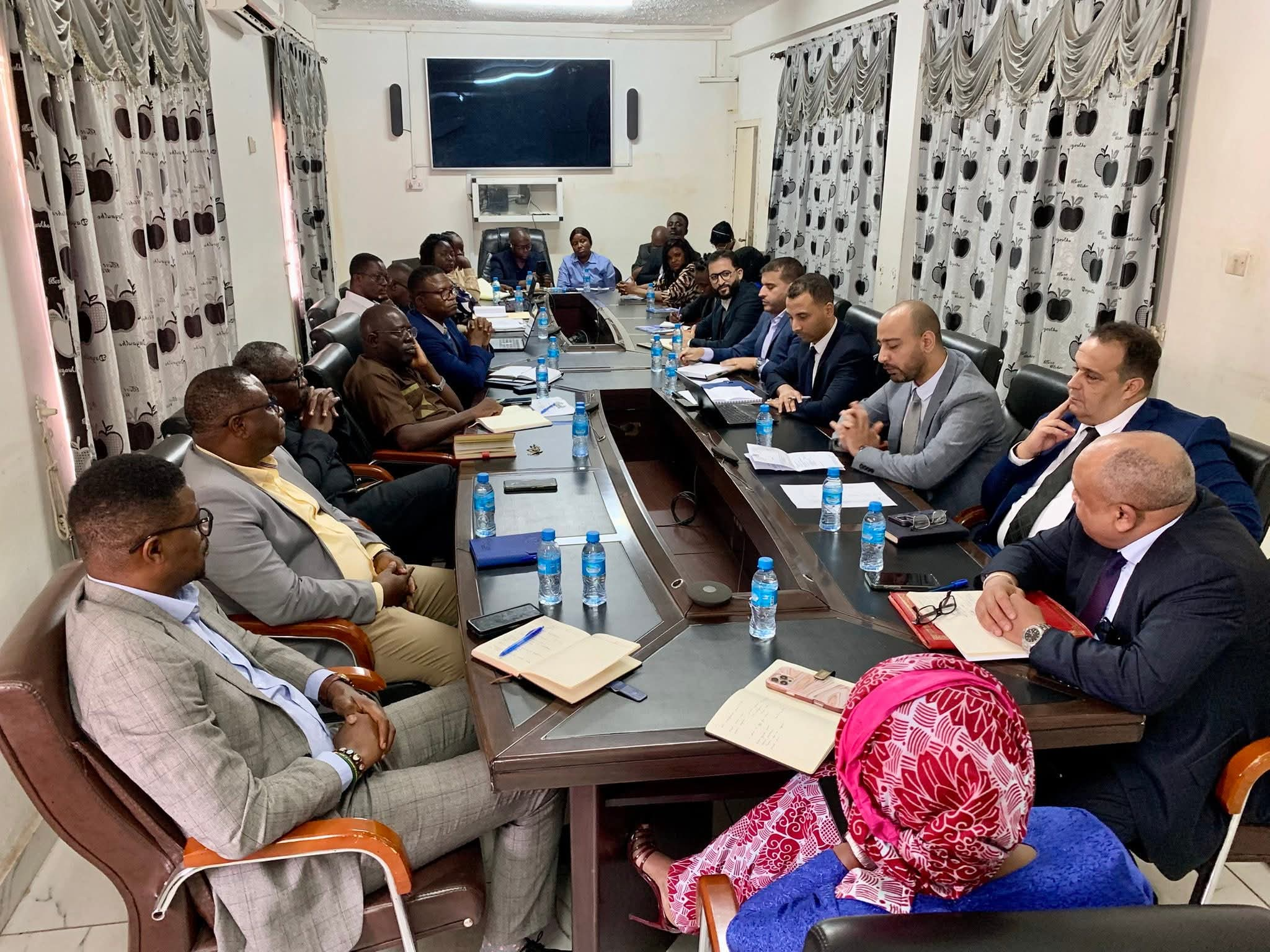


The Ministry of Technical and Higher Education (MTHE), in collaboration with the Ministry of Foreign Affairs and International Cooperation (MoFAIC), has held high-level discussions with a Moroccan delegation to address challenges affecting Sierra Leone’s low utilisation of Moroccan government scholarships, particularly at undergraduate, master’s and PhD levels.

The meeting, held at MTHE’s Conference Hall at New England Ville, brought together officials from both MTHE and MoFAIC, as well as representatives of the Morocco’s Office of Vocational Training and the Promotion of Employment (OFPPT). Discussions focused on language barriers, application timelines, eligibility criteria, and ways to align the scholarship programme more closely with Sierra Leone’s national development priorities.

Speaking at the meeting, the Permanent Secretary of MTHE, Mohamed Sheick Kargbo, highlighted the long-standing partnership between Sierra Leone and Morocco, noting that although Morocco offers 105 scholarships annually, Sierra Leone has struggled to fill the available slots. He identified the French language requirement as a major obstacle, especially for postgraduate applicants, and suggested practical solutions such as allowing Moroccan experts come to Sierra Leone to train larger numbers of local instructors, particularly in technical and vocational education.


Head of Fellowship and Training at MoFAIC, Isatu Jalloh, speaking on scholarship administration, explained that Sierra Leone has consistently fallen short of acceptance rates despite nominating dozens of candidates each year. She cited limited French language proficiency, strict eligibility requirements, and misalignment between scholarship deadlines and the release of WASSCE results as key challenges.

Minister of Technical and Higher Education, Dr. Haja Ramatulai Wurie, described the situation as “worrisome” but expressed optimism that the engagement would lead to concrete solutions. Drawing from personal experience with the Moroccan scholarship scheme, she stressed its proven impact on Sierra Leone’s human capital, particularly in producing doctors, engineers and public sector professionals. She emphasized the importance of linking future scholarships to priority growth sectors such as agriculture, ICT, renewable energy and hospitality, in line with the Medium-Term National Development Plan.
The Moroccan delegation reaffirmed their government’s commitment to South–South cooperation and clarified the structure of the scholarship offer. They noted that the issue was not a lack of slots, but a shortage of eligible applicants who meet university requirements, especially language and academic criteria.
Both sides agreed on the need for better coordination, earlier preparation of candidates, flexibility around timelines for fresh graduates, and clearer communication of requirements. Technical sessions were scheduled to further examine higher education and TVET pathways, with the shared goal of ensuring Sierra Leone fully benefits from the scholarships on offer in the coming academic years.








 EduTimes Africa, a product of Education Times Africa, is a magazine publication that aims to lend its support to close the yawning gap in Africa's educational development.