
























The classroom Nigerian teachers are being trained for today looks very different from what it was a few years ago. Digital tools, online resources, and Artificial Intelligence are quickly becoming part of everyday learning.
This shift is driving a major rethink in how teachers are prepared.



The National Commission for Colleges of Education (NCCE) is reviewing the Nigeria Certificate in Education (NCE) minimum standards and curriculum to better reflect modern classroom realities.

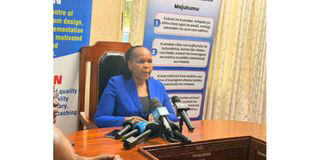
According to the Executive Secretary of the NCCE, Professor Paulinus Okwelle, the review is aimed at fixing gaps in the current system and aligning teacher education with national priorities, global education trends, and the practical challenges faced by colleges of education
.
The review process brings together teacher educators, policymakers, practitioners, and development partners, allowing different experiences to shape the outcome of the new curriculum.
One major focus of the review is the planned integration of Artificial Intelligence (AI) and digital competencies into teacher training programmes.

Okwelle said the revised curriculum will prepare future teachers to work confidently in technology-driven classrooms and adapt to the changing world of work.

“This forward-looking approach will position Nigerian teachers to operate confidently in technology-rich classrooms and align their preparation with international best practices and national development aspirations,” he said.
Beyond basic digital skills, the new standards are expected to promote AI awareness, ethical use of technology, data literacy, and flexible digital teaching methods.

The aim is to ensure teachers are not just users of technology, but effective facilitators of AI-enabled learning.
For students currently studying in colleges of education, this could mean learning how to teach with digital tools, manage online learning platforms, and engage students beyond traditional classroom methods.
Okwelle also restated that the NCE remains the minimum qualification for basic education teachers in Nigeria, making the quality of its curriculum a matter of national importance.
He explained that the curriculum review is part of a broader reform agenda focused on strengthening teacher education and restoring relevance to colleges of education.
A key aspect of this reform is the implementation of the dual-mode mandate, which allows colleges of education to run degree programmes alongside NCE courses.
According to the NCCE, this move is expected to improve enrolment, expand access, strengthen autonomy, and rebuild public confidence in the system.
Okwelle also commended Nasarawa State Governor, Abdullahi Sule, for supporting teacher education and attending the inaugural event.
As Nigeria works to improve learning outcomes at the foundational level, the direction is clear: preparing teachers for a digital future is no longer optional. For education students today, the skills they acquire now may determine how relevant they remain in tomorrow’s classrooms.













 EduTimes Africa, a product of Education Times Africa, is a magazine publication that aims to lend its support to close the yawning gap in Africa's educational development.