






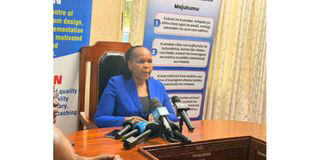




















For many students learning to code, the biggest frustration is simple — great ideas often end as exhibition projects.



In Kwara State, that may be about to change.

The state government has begun moves to transform students’ digital innovations into real, deployable solutions under the Kwara Coding and Digital Literacy Programme.
The development followed a strategic stakeholders’ meeting held on January 29, 2026, at the Office of the Senior Assistant on Digital Innovation.
According to a statement shared via the official X handle of Kwara Digital Innovation, the meeting brought together key partners to chart a new direction for the programme.

“In a strategic meeting at the Office of the Senior Assistant on Digital Innovation, key stakeholders of the Kwara Coding and Digital Literacy Programme convened to advance student innovations into real-world solutions,” the statement read.
The session was led by the Senior Assistant on Digital Innovation, Hon. Kayode, and was said to be driven by a direct mandate from the state governor.
“Led by Hon Kayode, the session was driven by a direct mandate from the governor to transform exhibited projects into deployable products that meet community needs,” the statement added.
For students, this signals a shift from simply learning how to code to actually building solutions that solve local problems.
Programme partners, including WTEC and Kidstech Africa, contributed practical recommendations to strengthen results. They advocated for AI integration, synchronised lessons, and public speaking training to better prepare students beyond technical skills.
They also stressed the need for stronger structure and accountability in delivering the programme.
According to the statement, partners recommended a central deliverables system, formal contracts, and proper record-keeping to ensure continuity and measurable impact.
Responding to the suggestions, Hon. Kayode outlined reforms aimed at improving quality and student motivation.
These include conducting entry-level assessments for students, revisiting school schedules, and introducing performance-based incentives for instructors.
A major highlight of the meeting was the decision to move selected student innovations into the development phase.
The statement revealed that six standout projects — three winners from the October Kwara Futures Exhibition and three other high-potential entries — have been identified for structured development.

These projects will be matched with experts and funded by the state government.
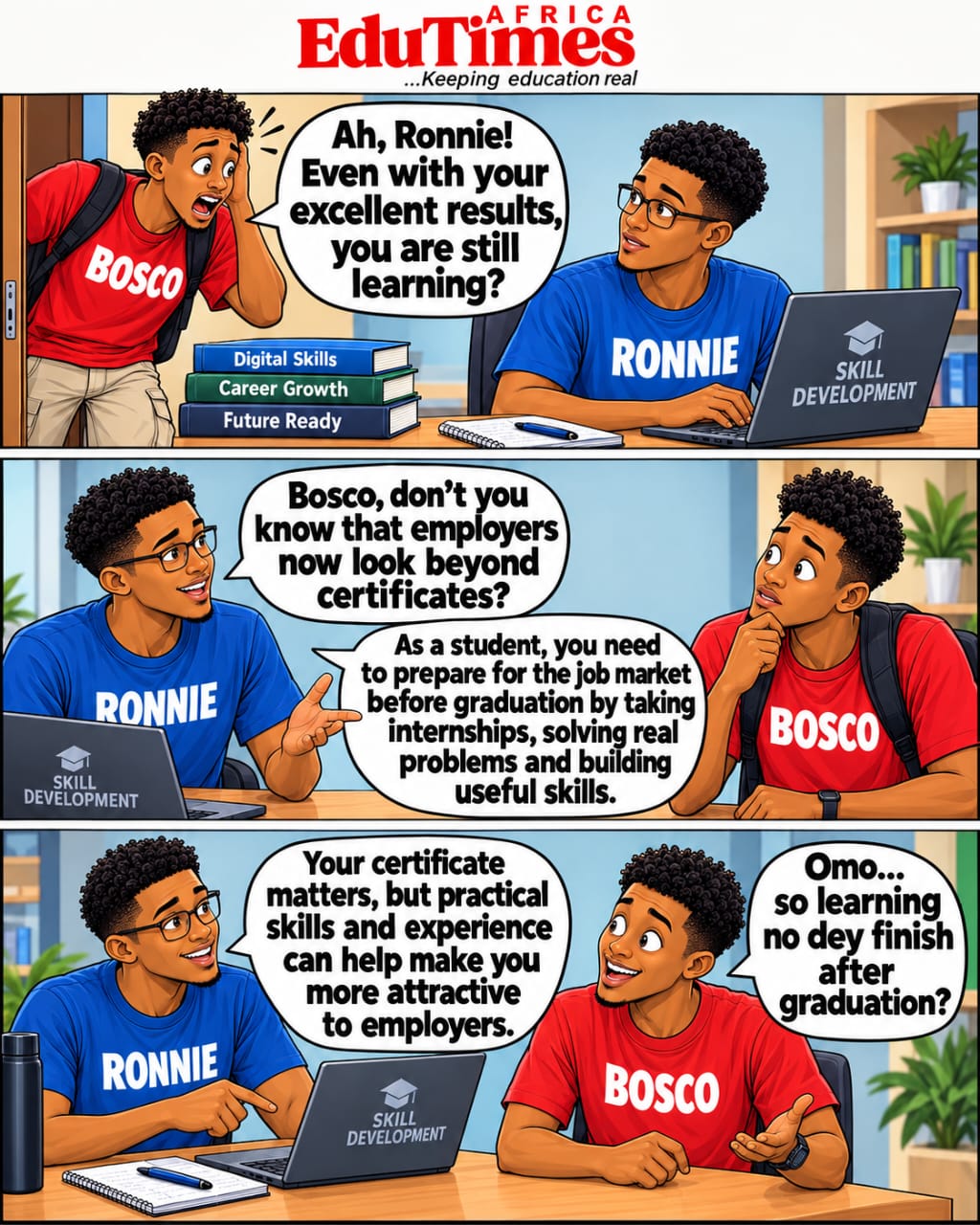
According to the statement, this marks “a pivotal shift from foundational training to cultivating scalable, home-grown technological solutions for Kwara State.”
For young people in Kwara learning digital skills, the message is clear: coding may no longer end in the classroom. If sustained, this move could open doors for students to see their ideas grow into products — and possibly into startups that shape the state’s digital future.













 EduTimes Africa, a product of Education Times Africa, is a magazine publication that aims to lend its support to close the yawning gap in Africa's educational development.