
























As a passionate advocate for sustainability, I design and lead initiatives that position schools as hubs for sustainable development. In today’s fast-changing world, education is no longer just about textbooks, exams, and grades; it is about helping young people understand the world around them and their place within it. Schools have a powerful role to play in shaping students into responsible global citizens who care about people, the planet, and the future we all share.
When sustainability becomes part of everyday school life, students don’t just learn theories, they learn how to live responsibly and think creatively about solving real-world problems. Whether it’s saving energy, reducing waste, or engaging with their local communities, schools can make sustainability practical, meaningful, and lasting.



For African schools, sustainable development isn’t just a global idea, it’s a daily reality. Teaching students to respect the environment, use resources wisely, and develop local solutions helps build stronger, more resilient communities. When young people learn these values early, they grow into adults who can make a real difference. That’s why I’ve put together twenty simple and practical ways schools can bring sustainability into everyday learning and school life.

1. Integrate Sustainability into the Curriculum
Teach students about climate change, renewable energy, local biodiversity, and sustainable agriculture relevant to African contexts.
2. Eco-Friendly Infrastructure
Design classrooms and hostels using local, energy-efficient materials, natural ventilation, and solar-powered lighting.

3. Waste Reduction Programs
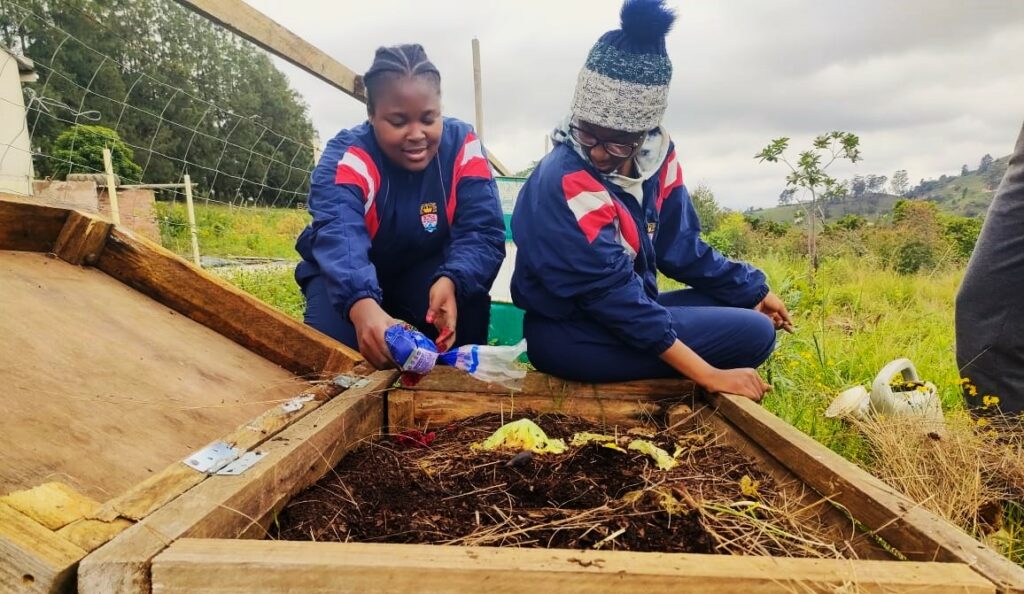
Introduce recycling, composting, and reusing materials like paper, plastics, and old school supplies.
4. School Gardens and Farms
Grow vegetables, herbs, or fruit trees on school grounds to teach food security, nutrition, and ecological stewardship.

5. Renewable Energy Projects
Install solar panels or small wind turbines as practical teaching tools while reducing electricity costs.
6. Water Conservation
Implement rainwater harvesting, teach water-saving habits, and ensure safe use of local water sources.
7. Green Transportation
Encourage walking, cycling, or carpooling to school; where possible, use eco-friendly transport solutions.
8. Eco-Clubs and Student Initiatives
Form clubs to lead tree planting, clean-up drives, and campaigns to raise awareness about environmental issues.
9. Digital Learning Tools
Adopt e-books, tablets, and online platforms to reduce paper usage while improving learning accessibility.
10. Sustainable Procurement
Use locally made, eco-friendly school supplies, uniforms, and furniture to support communities and reduce environmental impact.
11. Energy Awareness Campaigns
Encourage students and staff to switch off lights, fans, and devices when not in use.
12. Nature-Based Field Trips
Organize visits to nearby forests, rivers, wildlife reserves, or sustainable farms to connect students with local ecosystems.
13. Reduce Food Waste
In school cafeterias, teach portion control, reuse leftovers safely, and compost organic waste for school gardens.
14. Recycling Competitions
Hold classroom or inter-school competitions for creative upcycling of materials like plastics, cardboard, and scrap metals.
15. Environmental Councils
Create student-led councils to guide sustainability projects, policies, and awareness campaigns in the school.
16. Eco-Friendly Science Labs
Use environmentally safe chemicals, recycle lab materials, and conduct renewable energy experiments using local resources.
17. Promote Green Careers
Invite speakers working in agriculture, renewable energy, conservation, and climate adaptation to inspire students.
18. Community Engagement
Partner with local communities for tree planting, waste collection, and environmental awareness campaigns.
19. Celebrate Environmental Days
Mark events like World Environment Day, African Wildlife Day, and Earth Day with student-led initiatives.
20. Monitor and Celebrate Progress
Track school sustainability efforts through dashboards, student reports, or annual awards to encourage accountability and improvement.
Incorporating sustainable development into schools is not just an environmental or academic effort, it is a promise to the future. Every small action, whether it’s planting a tree, reducing waste, or teaching students about renewable energy, contributes to a bigger picture of responsible citizenship and resilient communities. By embracing these practices, schools can inspire students to carry the values of sustainability beyond the classroom, shaping a generation that will protect and uplift the continent for years to come. After all, the seeds we plant today, literally and figuratively, have the power to grow into a brighter, greener tomorrow.
_____________________
Oluwatosin Osemeobo is a passionate lifelong learner, writer, sustainability advocate, and global educator with nearly two decades of impactful experience in the education sector. He is known as a prophetic guide and a wisdom voice, deeply committed to helping individuals—especially educators—rethink life, faith, and sustainable living in alignment with divine purpose.
Tosin holds a Nigeria Certificate in Education from FCT College of Education, Abuja, and a Bachelor of Education from Obafemi Awolowo University. He has also earned international certifications, including Inclusive Leadership (Open University, UK), Sustainable Diet (UN Climate Change), and several specialized courses from the University of Cambridge covering topics such as the UN Convention on the Rights of the Child, Trade Rules, and Sustainable Development.
Tosin is President and Convener of When TEACHERS Pray, a global virtual platform dedicated to nurturing educators’ spiritual wellbeing and inspiring revival in school communities. He also serves as a Transformational Thought Coach, offering masterclasses and coaching for teachers and purpose-driven professionals. His work combines practical wisdom with spiritual insight to guide individuals in purpose, leadership, and personal transformation.
He designs and leads initiatives that position schools as hubs for sustainable development and teacher wellbeing, collaborating with organizations and educators globally to promote systems that are spiritually grounded, socially just, and environmentally conscious.
Currently based in Abuja, Nigeria, Tosin remains actively involved in the education space while contributing to global conversations on school sustainability, human rights, teachers wellbeing, and spiritual leadership. Passionate about driving systemic change, he is open to speaking engagements, strategic partnerships, and consultancy opportunities that align with his vision of purpose-driven, globally impactful education.
📧 Email: tosemeobo@gmail.com📞 Phone: +234 806 561 1550
Linkedin: www.linkedin.com/in/oluwatosin-osemeobo-9b8a7a12a













 EduTimes Africa, a product of Education Times Africa, is a magazine publication that aims to lend its support to close the yawning gap in Africa's educational development.