























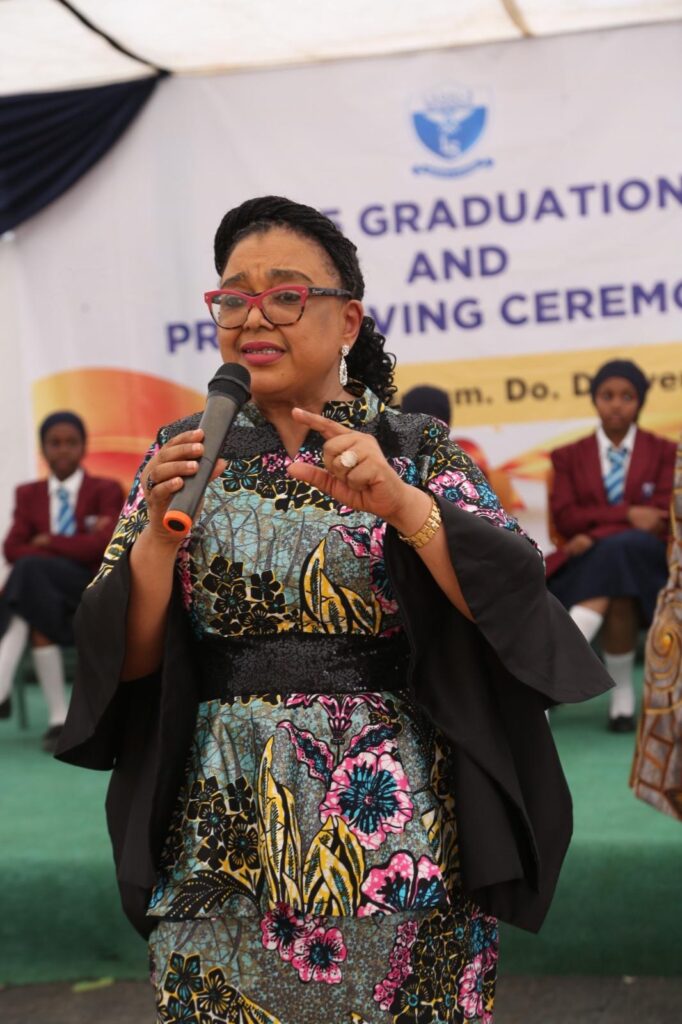
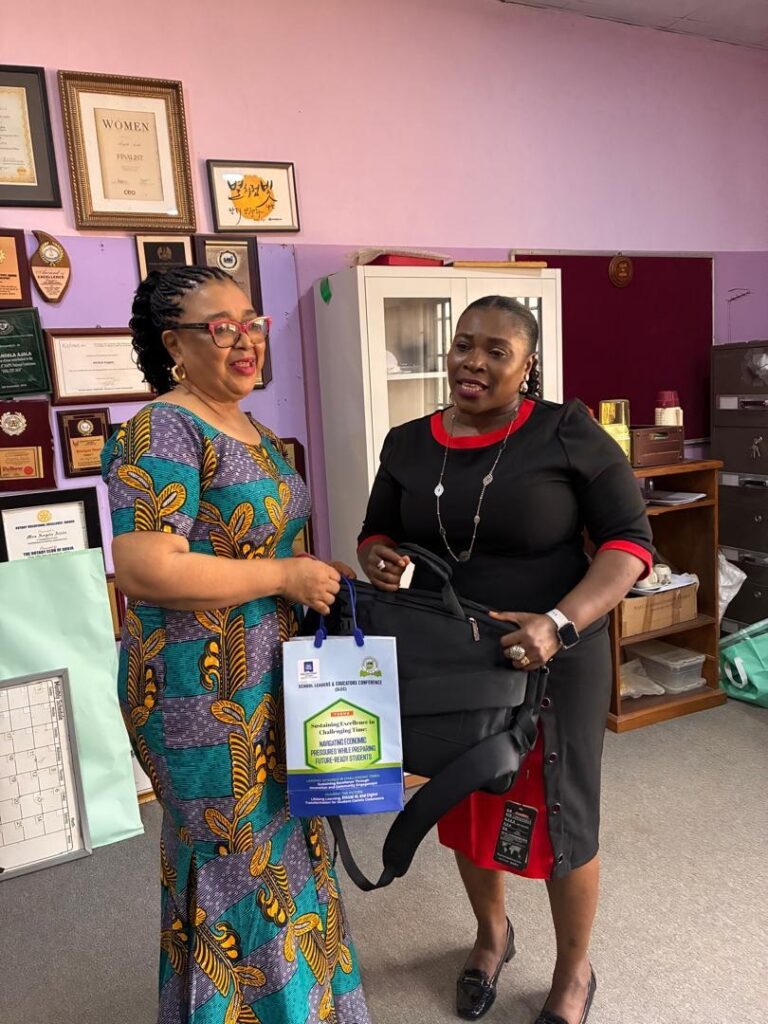
Angela Ajala is a distinguished education leader, policy strategist, and institutional reform specialist whose career spans more than three decades of shaping Nigeria’s education and skills development landscape. With experience across basic, post-basic, and tertiary education—and active involvement in national policy, curriculum reform, and governance—she represents a rare blend of practice, policy depth, and system leadership. Currently completing a PhD in Entrepreneurship and Innovation, she brings enterprise thinking to education reform, aligning learning systems with workforce and national development priorities.
You might also like thesePosts



As Executive Director of Ladela Schools, a national TVET reform leader through her work with the National Board for Technical Education, Chairperson of the Education Skill Sector Council, and CEO of Teacher Connect, Angela has consistently advanced teacher development, institutional sustainability, curriculum relevance, and skills integration. Her 2025 nationwide school leadership tour, delivered in partnership with Sterling Bank, further demonstrated her commitment to scalable, practical reform—reaching thousands of school leaders across Nigeria.

EduTimes Africa names Angela Ajala as its Education Person of the Year 2025 in recognition of her sustained national impact, reform-minded leadership, and unwavering commitment to strengthening teacher education, skills development, and institutional governance in Nigeria’s education system.

Your leadership spans school systems, teachers, women and global exposure. What personal philosophy has most shaped your approach to education leadership in Nigeria?
My guiding philosophy is that education systems rise or fall on leadership quality, not intention. Nigeria has no shortage of passion, policies, or goodwill; what we lack is disciplined, values-anchored leadership that understands education as both a moral enterprise and a complex system.
I believe education leadership must sit at the intersection of purpose, competence, and sustainability. Schools and institutions must serve social good, but they must also be professionally run, financially viable, and future-ready. My work has therefore focused on helping leaders move from passion to precision—from good intentions to well-designed systems that outlive individuals.
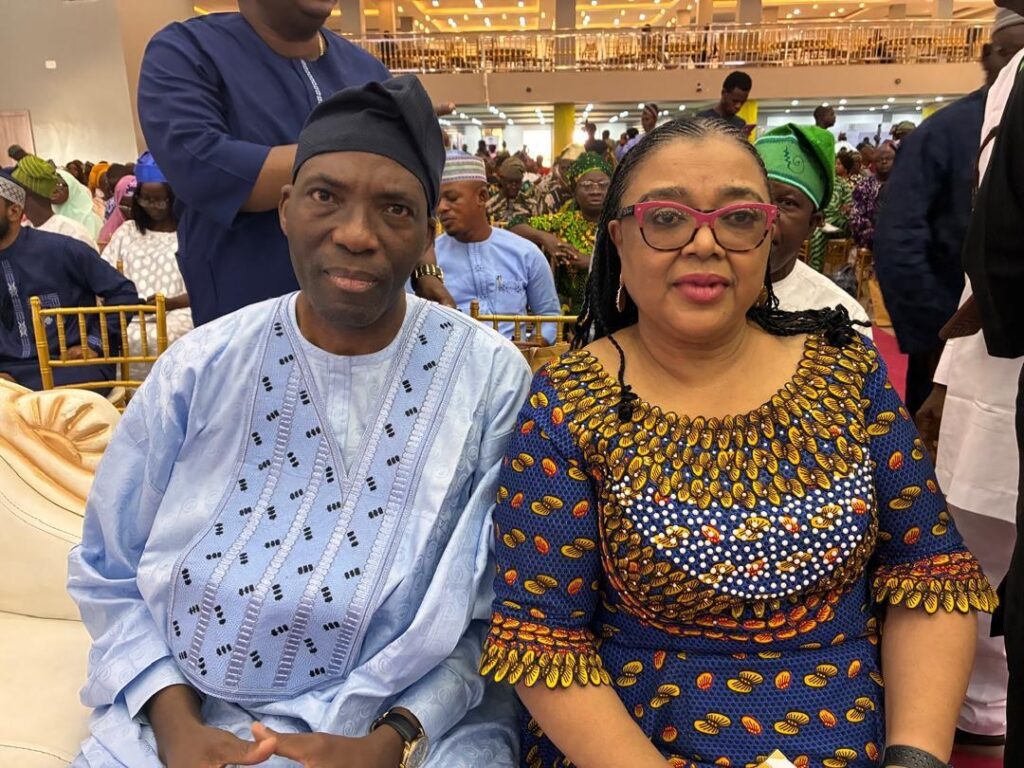
You have led women leadership and education programmes across Nigeria. What leadership gaps were you most determined to close and how did your interventions address it?
The most urgent gap I encountered was not capability, but confidence combined with structural access. Many women were highly competent but under-represented in decision-making, under-resourced, and hesitant to claim authority. They didn’t want to leave their comfort zones and challenge the status quo.
My interventions focused on three areas:
1. Leadership identity – helping women see themselves as system leaders, not just supporters.
2. Skill and strategy – equipping them with governance, financial literacy, negotiation, and institutional leadership skills.
3. Networks and visibility – creating safe but powerful communities where women could learn, collaborate, and be seen.
The goal was not just to empower individuals, but to normalize women’s leadership at scale.
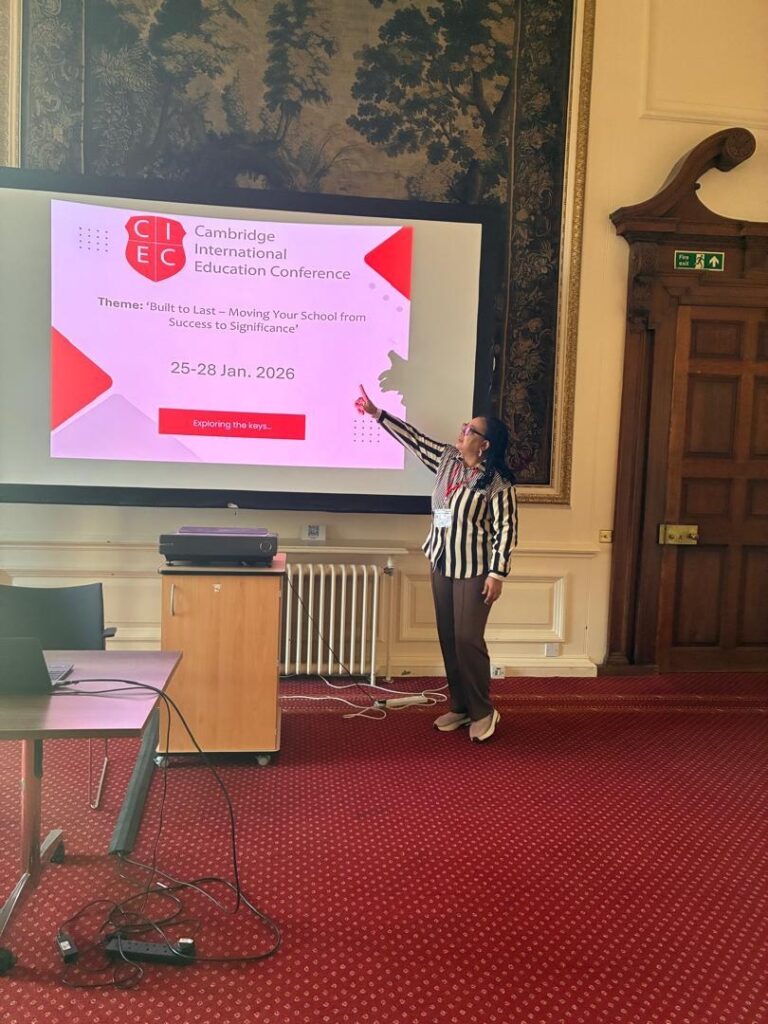
Teachers are central to your work. What must change urgently to reposition teaching as a respected, future-ready profession in Nigeria?
My Nigerian heritage is Right from the admission process to higher institutions, the reality is, if you don’t get University admission, then fall back on the Colleges of Education so the perception is built from the foundation.
Teaching in Nigeria must urgently move from being treated as a fallback job to being recognised as a high-skill profession. Three shifts are critical.
First, professionalisation: clear standards, continuous development, and performance-linked progression—not just years of service.
Second, re-skilling: teachers must be trained as learning designers, facilitators, and mentors for a digital and AI-augmented world.
Third, dignity and structure: fair compensation, strong school leadership, and environments where teachers can succeed.
Respect for teachers will not come from rhetoric—it will come when we invest in their competence, growth, and working conditions. It will also come when we start choosing the best to go for teacher training courses and leaving the rest for other courses. The teacher trains every other profession and we must begin to know that.
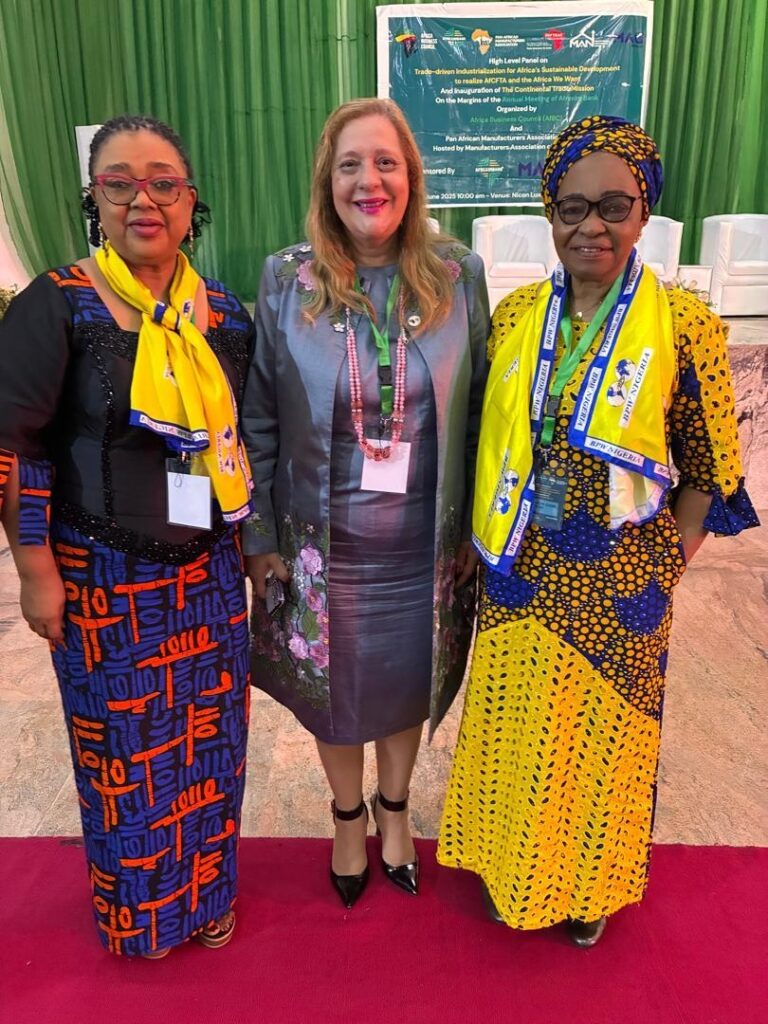
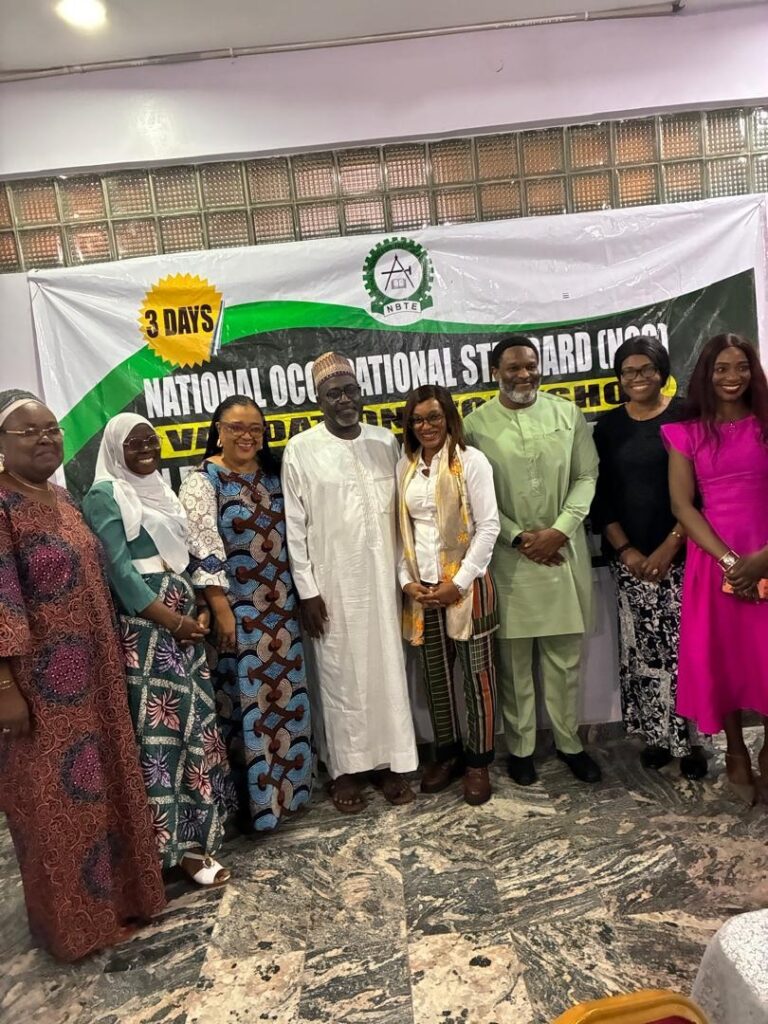
You have worked extensively with groups of schools rather than isolated institutions through bodies and associations. Why is the school network or community model critical to sustainable education?
Isolated schools struggle; connected schools learn, scale, and survive. The challenges schools face today—quality assurance, teacher development, cost pressures, technology adoption—are too complex to solve alone.
School networks allow for:
• Shared services and reduced costs
• Peer learning and leadership development
• Standard setting and accountability
• Stronger collective voice with government and partners
In Nigeria especially, sustainability will come not from a few exceptional schools, but from strong communities of practice that raise the overall quality of the system.
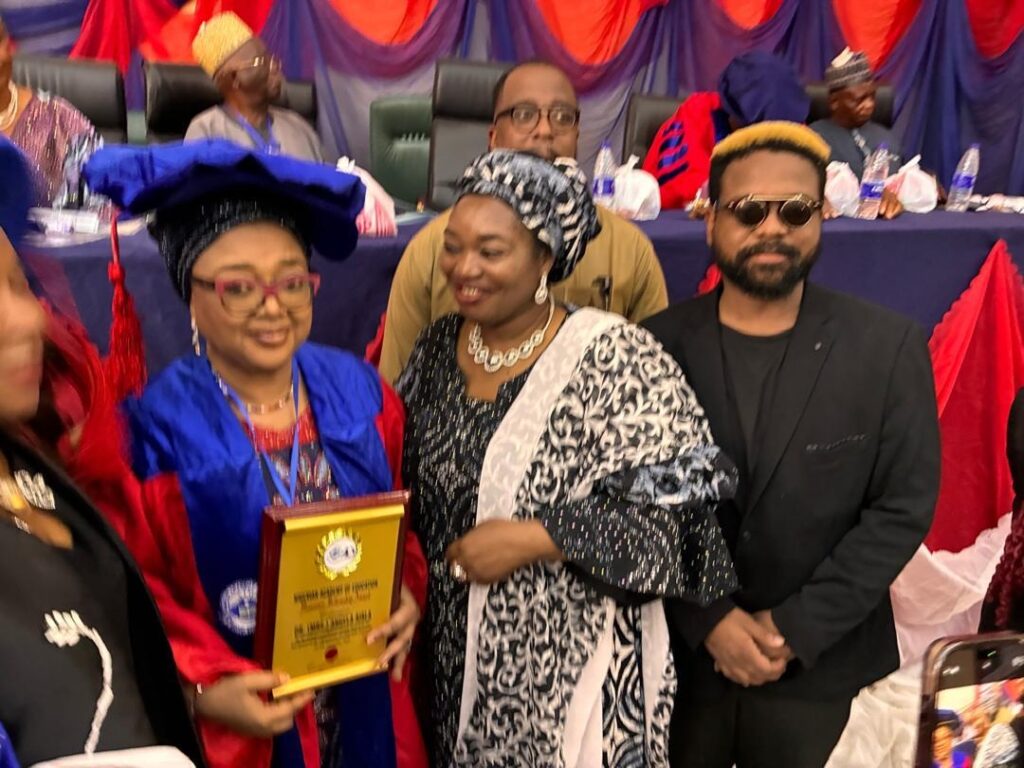
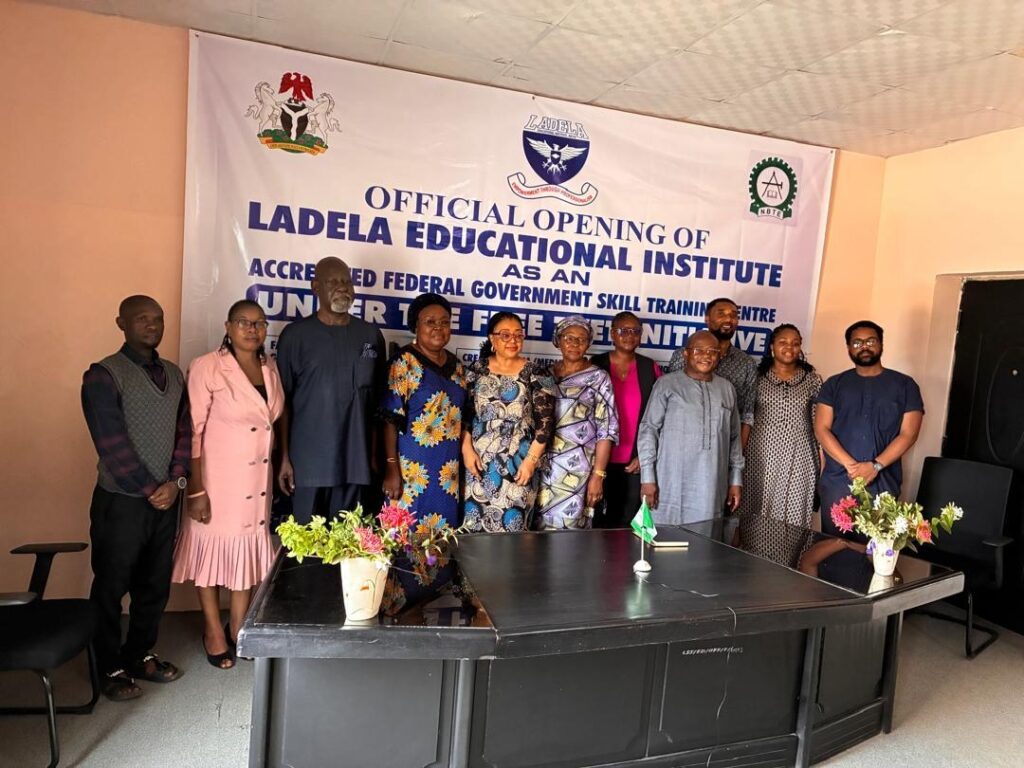
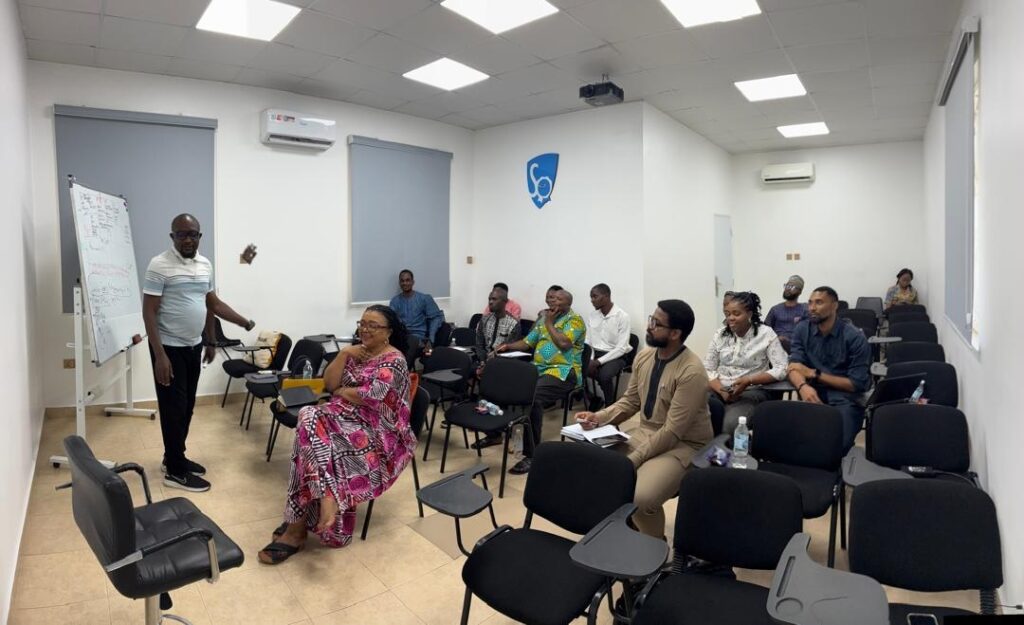
Through your nationwide schools tour, what did you learn about the financial realities and untapped potential of Nigerian schools?
I learned that many Nigerian schools are asset-rich but system-poor and lack financial literacy skills. They own land, facilities, trust, and community goodwill, yet operate without financial visibility, cost discipline, or strategic planning.
The untapped potential lies in:
• Better financial management and data use
• Revenue diversification beyond school fees
• Smarter use of facilities and partnerships
• Stronger governance structures
Many schools do not need rescue; they need re-design. With basic business discipline, a large number could become both sustainable and impactful.
What role should financial institutions play beyond Corporate Social Responsibility (CSR) in strengthening education delivery and innovation?
Financial institutions must move from charity to partnership. Education is infrastructure—it underpins workforce quality, economic growth, and national stability.
The high cost of providing education without intervention and support from Governments is crippling the industry.
Beyond CSR, banks and financial institutions can:
• Design education-specific financing products
• Support school infrastructure and expansion responsibly
• Fund innovation, edtech adoption, and TVET facilities
• Build financial literacy into school systems
When financial institutions understand schools as long-term development partners, not high-risk clients, the entire education ecosystem benefits.
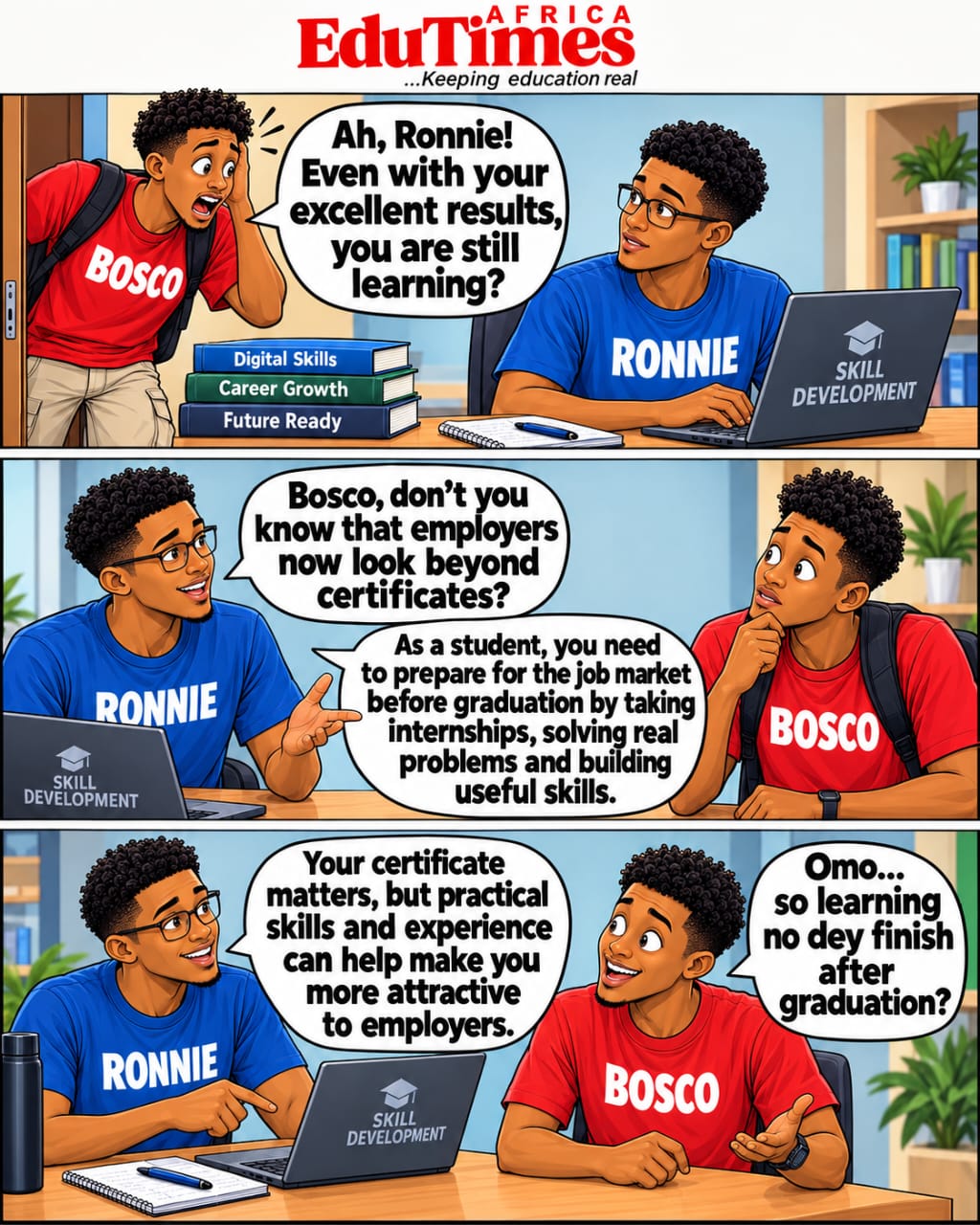
You led Nigeria education stakeholders to China for a TVET-focused conference and exposure. What single lesson from that experience is most relevant to Nigeria today?
The most powerful lesson was that TVET (Technical and Vocational Education and Training) succeeds when it is respected, planned, and directly linked to national development goals. In China, technical education is not a consolation prize—it is a strategic pillar of industrial and economic policy.
TVET works when:
• Industry is fully integrated
• Quality standards are non-negotiable
• Pathways to dignity, income, and progression are clear
Nigeria must stop treating TVET as second-class education.

How can Nigeria move TVET from the margins to the centre of its education and workforce development strategy?
Nigeria must make three deliberate moves.
First, policy alignment: TVET must be embedded across basic, secondary, and post-secondary education—not siloed. The Government has started on a good note in this area.
Second, industry partnership: employers must co-design curriculum, certification, and apprenticeship pathways.
Third, status and funding: TVET institutions must be well-funded, modern, and publicly respected. Every school should have a well run TVET section, not as an addendum but a full fledged service bringing impact to its community.
When young people see that skills lead to real opportunity, dignity, and mobility, TVET will move naturally from the margins to the mainstream.
From your field of experience, what policy or governance issues most undermine quality education delivery in Nigeria?
The most damaging issue is weak governance, non- institutionalization and frequent policy somersaults once leadership changes, rather than lack of policy. Nigeria has policies, frameworks, and reforms on paper, but suffers from fragmentation, poor implementation, and lack of consistency.
Education leadership roles are too often politicised rather than professionalised, and data rarely drives decision-making. Without clear standards, continuity, and enforcement, even well-designed policies fail. Quality education requires stable governance, capable leadership, and consistent execution, not constant policy resets. We have been lucky, after a long spell, to now have a proactive, well intentioned and brilliant Minister of Education but for long will we have him, before things return to status quo?
If you had the attention of national decision makers, what one education reform would you prioritise immediately and why?
I would prioritise the professionalisation of education leadership and school management. No system can outperform the quality of its leadership.
This means clear competency standards for school leaders, mandatory leadership training, performance-based accountability, and dignity for the role. When school leaders are well-trained, empowered, and held accountable, improvements in teaching, learning, and student outcomes follow naturally.
Looking ahead, what does a successful Nigerian education system look like by 2035?
By 2035, a successful Nigerian education system would be one where:
• Every child has access to quality foundational learning, not just schooling
• Teachers are respected, skilled, and continuously developed professionals
• Schools are well-governed, financially sustainable, and locally relevant
• Academic and technical pathways are equally valued
• Learners graduate with skills, character, and adaptability for a global economy
• Learning will be flexible.
• Micro credentials will be the gateway to success.
•. Success will not be measured only by enrolment figures, but by outcomes, equity, and contribution to national development.

How can Africa ensure that education delivers not just access but relevance, employability, and global competitiveness?
Africa must intentionally connect education to real-world outcomes. This requires:
• Curricula aligned to current and future labour markets
• Strong integration of digital, entrepreneurial, and transferable skills
• Deep partnerships between education institutions and industry
• Continuous curriculum review informed by data and global trends
• Research on future trends.
Access without relevance creates educated unemployment. Africa’s advantage will come from agile education systems that prepare learners for local impact and global participation.The emphasis on particular pathways will not be recognized by industry leaders
What has been the most difficult leadership decision you have had to make on this journey?
The most difficult decisions have involved saying no to opportunities or partnerships that offered visibility but compromised values or long-term impact.
In education, progress is slow and temptation to take shortcuts is real. Choosing depth over speed, integrity over convenience, and systems over personality has often been costly in the short term—but necessary for credibility and sustainability.
Often, standing for my standards even when it hurts business have left deep cuts.
What legacy do you hope your work leaves for teachers, school leaders, and young Africans?
I hope my work leaves behind stronger people and stronger systems. People who are ready to be different and stand alone if necessary.
For teachers: renewed dignity, professional confidence, and pathways for growth.
For school leaders: the tools and mindset to run schools as mission-driven, profit oriented and well-governed institutions.
For young Africans: access to education that equips them to think critically, act ethically, and compete globally without losing their identity.
Legacy, for me, is measured not by recognition, but by capacity that continues to multiply long after I am gone.
Finally, what message would you leave with educators who remain committed despite systemic challenges?
I would tell them this: your work matters more than you may ever see.
Systems may be slow to change, but lives are transformed daily in classrooms, schools, and communities. Stay rooted in purpose, keep improving your craft, and do not underestimate the ripple effect of excellence and integrity.
The future of Africa is being shaped quietly by educators who refuse to give up. History will remember them—even if the present does not always applaud them.
_______________________
Angela Ajala is a renowned educationstrategist, business leader, and policy advocate with over 30 years of leadership experience driving impactful change ineducation, entrepreneurship, and women’seconomic empowerment. She has spearheaded numerous initiative s thatransform educational systems, supportbusinesses, and uplift marginalizedcommunitie.
She is the CEO of Teacher Connect, a platformcommitted to enhancing teaching standards, professional development, and access to opportunities for educator. As the Managing Director of School Finders, she fosters a thriving support network for school owners, equipping them with resources, strategies, and business solution to ensure institutional growth and sustainabilit
Angela has served two terms as the National
President of Business and Professional
Women (BPW) Nigeria, a globally recognized organization operating iover 100 countries with UN ECOSOC consultative statu. Through BPW, she has championed initiatives in mentorship, economic empowerment, and leadership development fo
women.
As the National President of the African Women Entrepreneurship Programme (AWEP) Nigeri, an initiative of thU.S. State Department, Angela worked to position African women entrepreneurs forglobal business success. She was also the National Coordinator of the Association of Nigerian WomeBusiness Network (ANWBN), a coalition ofover 70 women’s business association advocating forpolicy reforms, research, and strategic interventions to promote wome-led enterprises.
Key Leadership and Advisory Roles:
• Member, Presidential Hig-Level Advisory Council on Support to Women and Girls
• Licensed Business Development Service Provider (BDSP) Agent
• Board Member, BIC Foundatio
• Advisory Board Member, Enterprise Development Centre, Pan-Atlantic University, Lago
• Former Board Member, National Board for Technical Education (NBT
Her expertise in education policy and governance is evident in her role as a Member of the Nigeria Education Data Initiative (NEDI) Implementation Team, where she contributes to data-driven policy development and educational reform. She is also a Member of the Chartered Institute of Directors (CIoD) Nigeria, championing best practices in corporate governance and leadership. As Chairperson, Skills Development Care Organization, she exemplifies unwavering dedication to enhancing students’ employability and sustainable futures through skills training.
Angela is deeply committed to social impact and inclusion, serving as a Board of Trustees (BOT) Executive Member and Team Member of The Irede Foundation, an organization dedicated to supporting amputees with prosthetic limbs and comprehensive rehabilitation services.
Angela is the author of three bestselling books, leveraging her vast experience to empower individuals and organizations in education, business, and leadership.
As a mentor, educator, and business strategist, Angela continues to drive initiatives that empower youth, strengthen entrepreneurship, and promote financial sustainability. Through programs like the Money Trees Workshop, she helps school owners diversify income streams beyond tuition fees, fostering financial stability in the education sector.
With an unwavering dedication to transforming lives through education, advocacy, and economic empowerment, Angela Ajala remains at the forefront of creating opportunities, strengthening communities, and shaping the future of education and business in Nigeria.
Contact Angela Ajala
Phone: +234 803 310 9818
Email: ajala.angel@yahoo.com
LinkedIn: Angela Ajala
Instagram: @ajalaangela
Office Address: Plot 100, Wumba, Apo District











 EduTimes Africa, a product of Education Times Africa, is a magazine publication that aims to lend its support to close the yawning gap in Africa's educational development.