




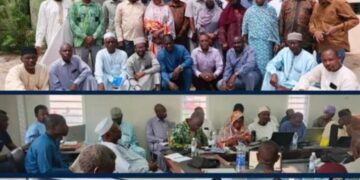


















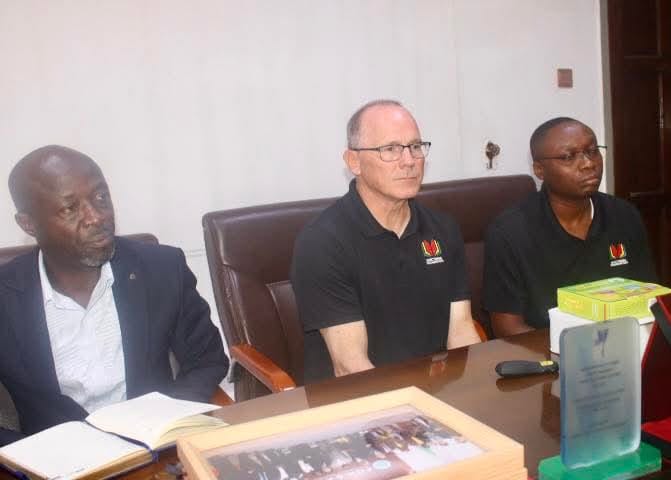


The Ministry of Technical and Higher Education (MTHE) has held a meeting with the Doctrina Foundation at the Ministry’s conference room to discuss a new foundational literacy programme for Sierra Leone.
MTHE’s Deputy Chief Technical and Higher Education Officer, Sia Fasuluku, revealed that the initiative was introduced through the Latter-day Saints (LDS) humanitarian arm and seeks to implement a phonics-based after-school reading programme that has been successfully piloted in the United States, Ghana, and other countries. The programme uses structured materials, including books and learning aids, to develop basic reading skills, and aligns with national education reforms following the 2018 Early Grade Reading and Mathematics Assessments, with content contextualized to Sierra Leonean culture. Fasuluku emphasized the importance of integrating the programme into teacher training institutions for effective delivery to both pre-service and in-service educators.

Chief Executive Officer of Doctrina Foundation, Michael Madsen, outlined the foundation’s four-month reading programme, developed over 16 years by U.S. pre-school educators. The model combines music, storytelling, and step-by-step letter blending, enabling 96 percent of U.S. pre-school participants to read at Grade One or Two level before entering kindergarten. The programme has since expanded to Ghana and Papua New Guinea, reaching thousands of children, and can also be adapted for family-based learning and adult learners. Madsen called for piloting the initiative with a selected group of teachers and pupils, with proper training and locally adapted materials.

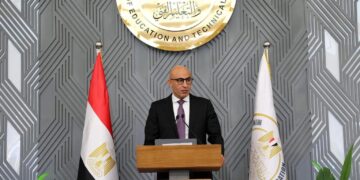
Minister of Technical and Higher Education, Dr. Haja Ramatulai Wurie, welcomed the initiative, reaffirming the Government’s commitment to human capital development. She highlighted the urgent need to improve literacy from early childhood through primary levels and supported integrating the pilot into schools nationwide. The programme will initially train 10 teachers, provide learning materials, and assess student progress after five months, with potential for nationwide expansion. She also encouraged parental and community involvement, noting that adult literacy support could strengthen children’s learning at home, and assured government backing, including possible tax exemptions on educational materials.

MTHE’s Chief Technical and Higher Education Officer, Dr. Josephus Brimah, emphasized that tackling learning poverty requires children to “learn to read before they read to learn,” stressing phonics instruction as essential for academic success. He proposed a master trainer model to cascade the methodology across districts, including rural areas, and highlighted the broader goal of education to empower citizens, foster respect, and prepare learners for global engagement.
Country Director of the Doctrina Foundation, Gyampoh Ernest, underscored the programme’s effectiveness in building reading skills, comprehension, and confidence. He described the 15-minute lessons, conducted three times weekly, as highly engaging, and highlighted the “family model,” where parents or older siblings support younger children at home. Ernest noted that the programme is particularly beneficial for early learners who cannot yet identify letters, while exposure to unfamiliar words broadens children’s understanding of the world.
Sharing his personal experience of struggling with reading as a child, he stressed that the programme cultivates enthusiasm, comprehension, and public reading confidence, demonstrating measurable results when properly implemented.









 EduTimes Africa, a product of Education Times Africa, is a magazine publication that aims to lend its support to close the yawning gap in Africa's educational development.