























































If you ever sat on a bare classroom floor in primary school, this conversation should matter to you.


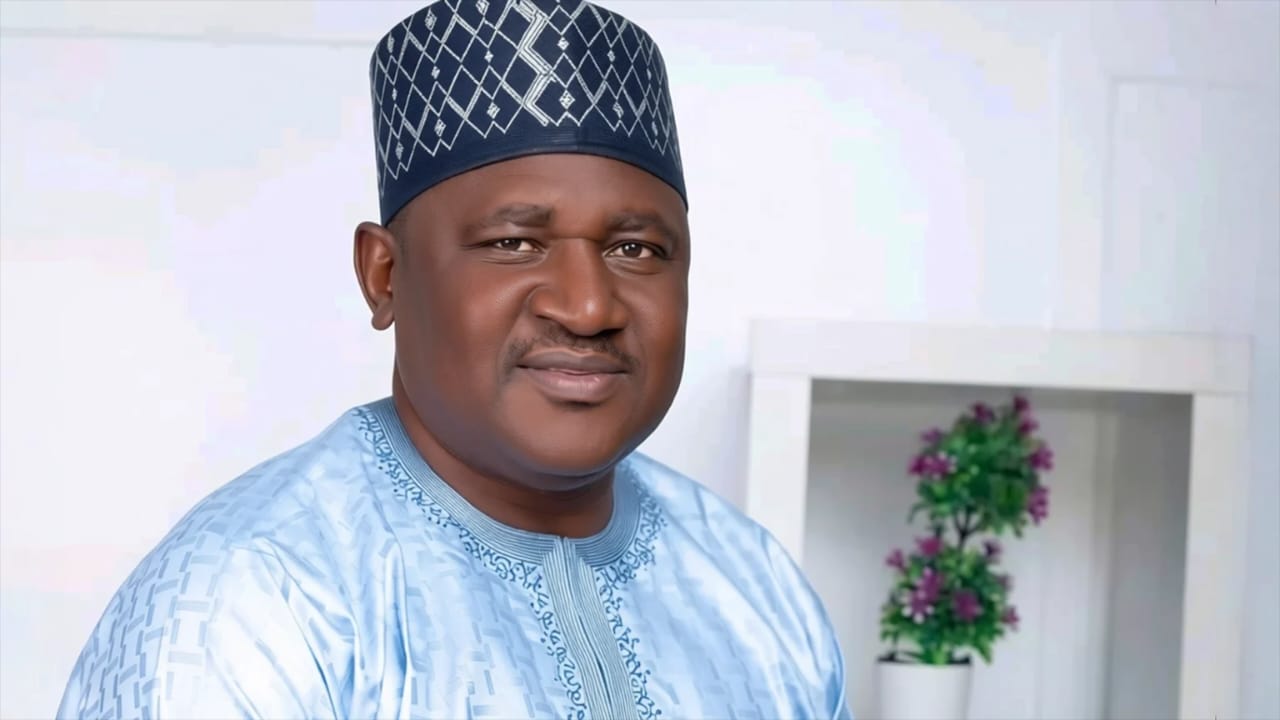
The National President of the Nigeria Union of Teachers (NUT), Audu Amba, says teachers deserve more than just promises — they deserve a special salary structure that restores dignity to the profession.

And this time, the union is not just talking.
Amba warned that the NUT would shut down primary schools indefinitely in states that have failed to implement the ₦70,000 national minimum wage for primary school teachers.
He mentioned Gombe State and Zamfara State as among those yet to implement the new wage for primary school teachers, even though other categories of workers in those states are already benefiting.
That difference is what the union calls unfair.

According to Amba, the NUT’s National Executive Council will soon review the list of non-complying states and may direct teachers in those states to down tools.
For pupils in affected areas, that could mean classrooms locked for an unknown period.

For young Nigerians studying education in universities, it raises a deeper question: is teaching still worth it?
Amba believes the profession has been neglected for too long.
“We will continue to agitate for the teaching profession to be taken to the next level in terms of welfare. Let it be so attractive in terms of remuneration. We don’t need to look for people to come into teaching. People should be looking for opportunities to join the teaching profession,” he said.

He argued that teaching should not be a backup plan for unemployed graduates, but a respected path for qualified and intelligent individuals.
To drive the point home, he pointed to countries like Finland and Canada, where prioritising teachers’ welfare has made the profession highly desirable.
Beyond salaries, Amba raised concern about the “japa” wave, revealing that teachers are increasingly leaving Nigeria for better opportunities abroad — including in neighbouring African countries.
Poor welfare and working conditions, he said, are pushing them out.
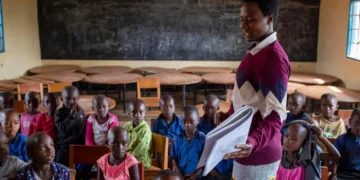
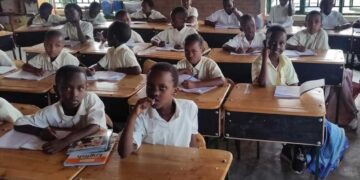
He also painted a familiar picture of many public primary schools: pupils sitting on bare floors and teachers without basic facilities, including chairs to mark scripts.
“Government is trying, but it needs to do more,” he added, acknowledging recent efforts while insisting that education deserves stronger attention.
Interestingly, while he commended the recent salary increase for members of ASUU, he stressed that basic education — the foundation of the system — must not be sidelined.
There’s also a structural issue.
Amba highlighted disparities in how states implement the minimum wage, noting that while civil servants and sometimes secondary school teachers benefit,
primary school teachers under local government education authorities are often excluded.
He cited the Federal Capital Territory (FCT), where primary school teachers reportedly embarked on a three-month strike before the wage was eventually implemented.
Also speaking, the President of the Nigeria Labour Congress (NLC), Joe Ajaero, supported the call for a special salary structure, saying teachers’ role in national development demands deliberate commitment from all levels of government.
For young Nigerians, this is bigger than a labour dispute.
Today’s underpaid teacher shapes tomorrow’s university student.
If primary education weakens, everything built on it — WAEC results, UTME scores, university performance — feels the impact.
So when teachers say “No ₦70k, No School,” it’s not just about salary.
It’s about whether Nigeria is ready to treat education as the foundation it claims it is.












 EduTimes Africa, a product of Education Times Africa, is a magazine publication that aims to lend its support to close the yawning gap in Africa's educational development.