

















































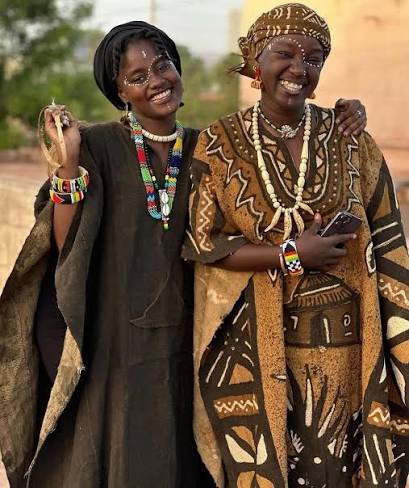


The Bambara, also known as the Bamana, are one of the largest and most influential ethnic groups in West Africa. Predominantly found in Mali, they have played a significant role in shaping the region’s history, culture, language and agriculture. Renowned for their rich oral traditions, artistic heritage and strong communal values, the Bambara people continue to preserve customs that have been passed down through generations. Here are 20 fascinating facts about this remarkable African ethnic group.



1. They Are Mali’s Largest Ethnic Group

The Bambara make up the largest ethnic community in Mali, accounting for a significant proportion of the country’s population.
2. They Are Also Known as the Bamana

Although commonly called Bambara, the people refer to themselves as **Bamana**, while “Bambara” became widely used during the colonial era.
3. They Primarily Live in West Africa
Most Bambara people live in Mali, although sizeable communities can also be found in Burkina Faso, Côte d’Ivoire, Guinea, Senegal and The Gambia.
4. They Speak the Bambara Language
The Bambara language belongs to the **Mande** branch of the Niger-Congo language family and serves as one of Mali’s most widely spoken languages.
5. Bambara is a National Language of Mali
Although French is Mali’s official language, Bambara is the country’s most widely spoken national language and serves as a common language among many ethnic groups.
6. Their History Dates Back Centuries
The Bambara trace their origins to the medieval Mande civilisation and have inhabited the region for hundreds of years.
7. They Established Powerful Kingdoms
The Bambara founded influential kingdoms such as the **Bamana Empire of Ségou** and the **Kingdom of Kaarta**, which flourished during the 17th and 18th centuries.
8. Agriculture is Central to Their Livelihood

Most Bambara families depend on farming, cultivating crops such as millet, maize, sorghum, rice, groundnuts and cotton.
9. They Value Community Life
Traditional Bambara society places great importance on cooperation, family unity, mutual support and communal labour.
10. They Are Famous for Their Rich Oral Tradition
History, moral lessons and cultural values are passed from one generation to another through storytelling, proverbs, songs and oral poetry.
11. Traditional Music is Highly Celebrated
Music plays an important role in Bambara ceremonies, festivals and community events, with instruments such as the **balafon**, **kora** and traditional drums widely used.
][
12. Their Art is Internationally Recognised
The Bambara are renowned for their wooden carvings, ceremonial masks, sculptures and handcrafted objects, many of which are displayed in museums around the world.
13. Masks Hold Cultural Significance
Traditional masks are used during initiation ceremonies, harvest festivals and important community celebrations, symbolising spiritual beliefs and social values.
14. Islam is the Predominant Religion
Today, the majority of Bambara people are Muslims, although many communities continue to preserve aspects of traditional African beliefs and cultural practices.
15. Elders are Highly Respected
Age and wisdom are highly valued in Bambara society, with elders playing key roles in conflict resolution, decision-making and cultural preservation.

16. They Have Strong Family Structures
Extended families often live and work together, with responsibilities shared among relatives and generations.
17. They Celebrate Traditional Festivals
Harvest festivals, naming ceremonies, weddings and initiation rites remain important occasions for preserving Bambara identity and traditions.
18. Their Cuisine Reflects Local Agriculture
Popular Bambara dishes include millet porridge, rice-based meals, sauces made with vegetables and peanuts, grilled meat and fish.
19. They Have Influenced West African Culture
Bambara language, music, art and cultural practices have significantly influenced neighbouring communities throughout West Africa.
20. They Continue to Preserve Their Cultural Heritage
Despite urbanisation and globalisation, the Bambara remain committed to preserving their language, traditions, crafts and customs, ensuring that their rich cultural heritage continues to thrive.
The Bambara people are among Africa’s most culturally influential ethnic groups. Their contributions to language, agriculture, governance, art, music and traditional knowledge have left a lasting impact on Mali and West Africa. As custodians of a vibrant cultural heritage, the Bambara continue to inspire generations through their enduring values, resilience and commitment to preserving their identity.















 EduTimes Africa, a product of Education Times Africa, is a magazine publication that aims to lend its support to close the yawning gap in Africa's educational development.