
























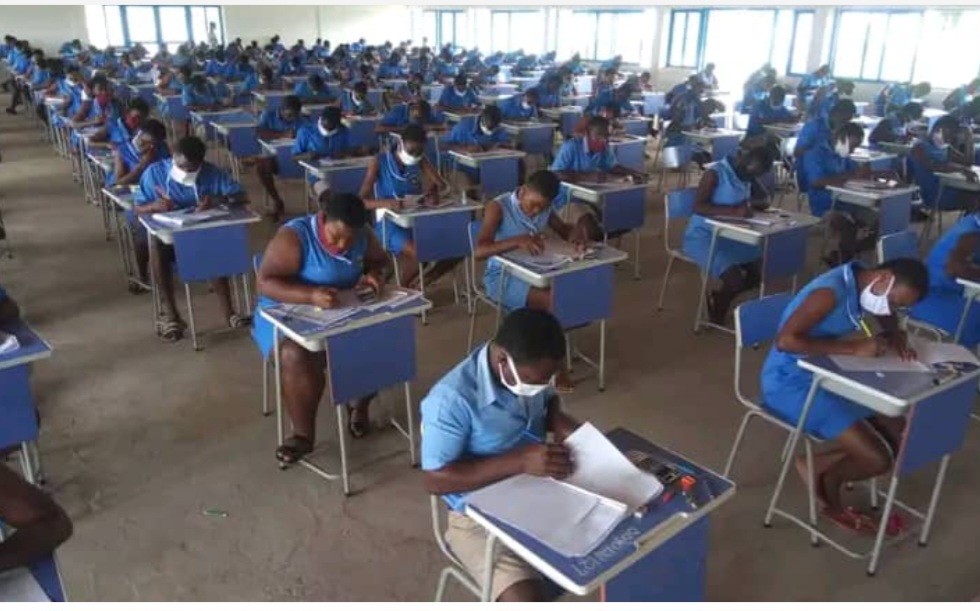


More than 54,000 Ghanaian students who failed to secure placement in public Senior High Schools (SHSs) under the 2026 Computerised School Selection and Placement System (CSSPS) have been offered an alternative pathway through private schools.

The Conference of Heads of Private Second-Cycle Schools (CHOPSS) says its accredited member schools are ready to admit the 54,985 candidates who were not placed in public SHSs following the release of the 2026/2027 placement results.
The development comes days after Ghana released the latest SHS and Technical and Vocational Education and Training (TVET) placement results on 4 September, following a delay by the Ministry of Education.
CHOPSS, in a statement issued in Accra, urged affected students and their parents not to regard failure to secure a place in a public school as the end of their educational journey.

The association said accredited private second-cycle schools across Ghana have the capacity and experience to provide the affected candidates with quality secondary education.
It also appealed to its member schools to consider offering discounted and affordable fees to affected families where possible.
Why 54,985 students were left out
The number of students who failed to qualify for placement has raised concerns among education stakeholders.

Africa Education Watch (Eduwatch) has called on the government to fund BECE resits for the affected candidates, arguing that they should be given an opportunity to improve their academic performance rather than simply being pushed towards private education.
The organisation also questioned inconsistencies in the application of the academic requirements for Free SHS and TVET placement.
According to Eduwatch, the number of candidates excluded from placement increased dramatically from 13,019 in 2025 to 54,985 in 2026.
Eduwatch has therefore urged the Ministry of Education to clearly define and consistently publish the minimum academic requirements for Free SHS and TVET placement.
It also wants the government to provide targeted learning support and cover the cost of BECE resits for affected candidates.
Private schools offer alternative
CHOPSS said private second-cycle schools have historically provided opportunities for students who could not secure places in their preferred public institutions.
The association noted that many students who attended private schools subsequently gained admission to tertiary institutions in Ghana and abroad.
The development also highlights the role of private schools in Ghana’s secondary education system, particularly where public-school capacity or eligibility requirements leave students without placement.
The Ghana National Council of Private Schools (GNACOPS) has separately said that 85 private Senior High Schools operating under a Free SHS agreement have available spaces for some of the affected students. It has called on the government to activate an existing agreement that could allow those students to enrol in the participating schools.
What happens next?

The official CSSPS portal allows candidates who are unplaced to use the Self-Placement option to select a school and programme with available vacancies.
However, the situation involving the 54,985 students raises a broader policy question for Ghana: should students who fail to meet the academic threshold for Free SHS simply lose access to publicly supported secondary education, or should the government provide another publicly funded pathway?
For education advocates, the immediate priority is ensuring that students are not permanently excluded from secondary education because of one examination outcome.








 EduTimes Africa, a product of Education Times Africa, is a magazine publication that aims to lend its support to close the yawning gap in Africa's educational development.