
























Presidency Challenges Critics, Says Zero University Strikes Is Tinubu’s Landmark Success
The Presidency has defended President Bola Tinubu’s record in the education sector, describing the absence of prolonged nationwide university strikes since he assumed office in May 2023 as a significant achievement.

The administration’s position follows criticism from Nigerians who have questioned the impact of its efforts to stabilise the country’s tertiary education system.
Presidential aides argued that maintaining uninterrupted academic activities in public universities represents a major departure from the frequent industrial actions that previously disrupted the academic calendar and delayed students’ graduation.


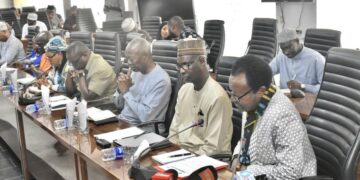
The Presidency recalled the eight-month strike embarked upon by the Academic Staff Union of Universities (ASUU) in 2022, which forced students across the country to remain at home for an extended period.
According to a senior presidential official, the relative stability currently enjoyed by students may have made younger generations less aware of the difficulties associated with prolonged university strikes in previous years.
“It appears we have normalised strikes so much that ending them now sounds like a joke to new generations who never witnessed it, all thanks to the deliberate effort of our President,” the official reportedly said.
The administration attributed the development to its approach to industrial relations, which it said prioritises dialogue, consultation and continuous engagement with university stakeholders rather than allowing disagreements to escalate into nationwide industrial action.
President Tinubu has also maintained that regular communication, patience and constructive engagement are essential to sustaining industrial harmony and ensuring a predictable academic calendar.

However, the government acknowledged that challenges remain in the university system, particularly concerning outstanding entitlements, staff welfare packages and the implementation of previous agreements with academic unions.
Despite these concerns, the Presidency maintained that keeping universities operational while negotiations continue is an important achievement for students, parents and other stakeholders in the education sector.
It also linked the relative industrial stability to the administration’s broader Renewed Hope education agenda, which includes increased budgetary allocations, infrastructure development and expanded vocational training opportunities.
The Presidency urged university management, academic unions and other stakeholders to sustain dialogue and cooperation, warning that industrial disputes could disrupt students’ academic progress, waste valuable time and undermine confidence in Nigeria’s higher education system.











 EduTimes Africa, a product of Education Times Africa, is a magazine publication that aims to lend its support to close the yawning gap in Africa's educational development.