

























Millions of young Africans graduate every year hoping to find good jobs. A new US$500 million investment could help African universities better prepare them for the opportunities ahead.


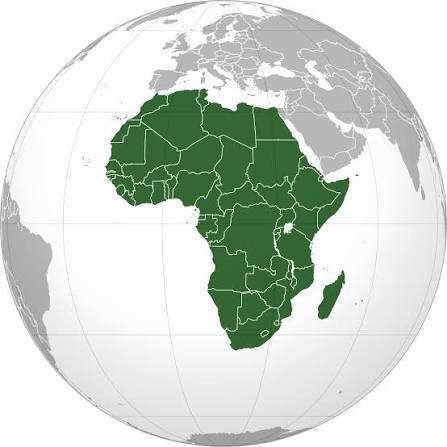
The Mastercard Foundation has committed US$500 million over the next decade to transform higher education across Africa, as the continent faces rising youth unemployment and shrinking international development funding.

The investment will support universities in improving teaching, research, entrepreneurship and opportunities for graduates to find meaningful work.
In an interview with AllAfrica’s Melody Chironda, Dr. John Nkengasong, the Foundation’s Executive Director for Higher Education, Collaboratives and Strategic Initiatives, described universities as important drivers of Africa’s economic growth.

Nkengasong, a Cameroonian-American virologist and former Director of the Africa Centres for Disease Control and Prevention (Africa CDC), believes strategic investment in higher education can help African countries develop the talent and innovation needed to build stronger economies.

The initiative aligns with the Foundation’s Young Africa Works strategy, which aims to help 30 million young people access dignified and fulfilling work by 2030.
Through its Africa Higher Education for Transformation (AHEFT) Prize, the Foundation wants universities to improve teaching, research, entrepreneurship and the transition from education to employment.
Rather than rewarding a few outstanding graduates or departments, the initiative focuses on changes that improve entire institutions.
Universities are assessed based on their impact, inclusion, student experience, community engagement and contribution to Africa’s development.
The first winners demonstrated different approaches to transformation, including improving employment opportunities for refugees in Uganda, strengthening health workforce training in Rwanda, and promoting research and innovation to address societal challenges.
Beyond an initial US$3 million grant, winning institutions will receive programme support and opportunities to collaborate, develop partnerships and expand their initiatives.
The Foundation plans to support at least 150 institutions over the next decade. Its network of more than 200 African higher education institutions will also help encourage collaboration and wider change.

The Foundation is extending its efforts through partnerships in healthcare, agriculture, climate resilience, digital transformation and education.
For Nigerian students and other young Africans, the real value of this investment will depend on what changes in the classroom and beyond.
Better teaching, practical skills, stronger research and closer links between universities and employers could help graduates prepare for the job market.
However, strengthening universities alone will not solve youth unemployment. Governments, employers and other partners must also create opportunities for young people to apply their skills.
Ultimately, the success of this US$500 million commitment will depend not just on how much is invested, but on whether African universities become better places to learn, innovate and prepare young people for meaningful work.
Source: allAfrica













 EduTimes Africa, a product of Education Times Africa, is a magazine publication that aims to lend its support to close the yawning gap in Africa's educational development.