
























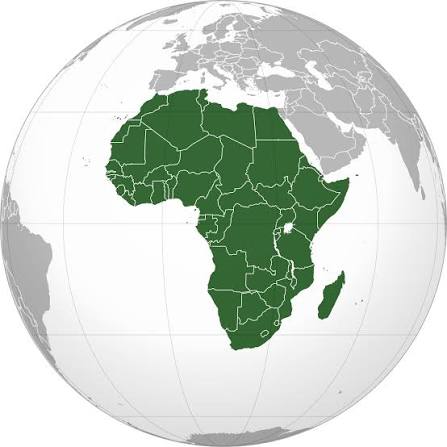


University leaders across Africa face several challenges that affect the quality of education, research and campus life.
From funding shortages to staff welfare, these issues require effective leadership and long-term solutions.

Here are five challenges facing university leadership in Africa.
1. Inadequate Funding

Many African universities struggle with limited funding for academic programmes, research, infrastructure and student support services.
University leaders must manage available resources while seeking additional funding.
2. Poor Infrastructure
Inadequate lecture halls, outdated laboratories, poorly equipped libraries and insufficient student accommodation affect learning.
University leaders must prioritise infrastructure development to create better learning environments.
3. Staff Welfare
Poor salaries, delayed payments and unfavourable working conditions can affect staff morale and productivity.
Addressing these issues is important for retaining qualified lecturers and supporting academic excellence.
4. Maintaining Academic Standards
University leaders must ensure that institutions maintain quality teaching, credible assessments and relevant academic programmes.
They must also adapt to changing educational and technological demands.
5. Managing Relationships with Stakeholders
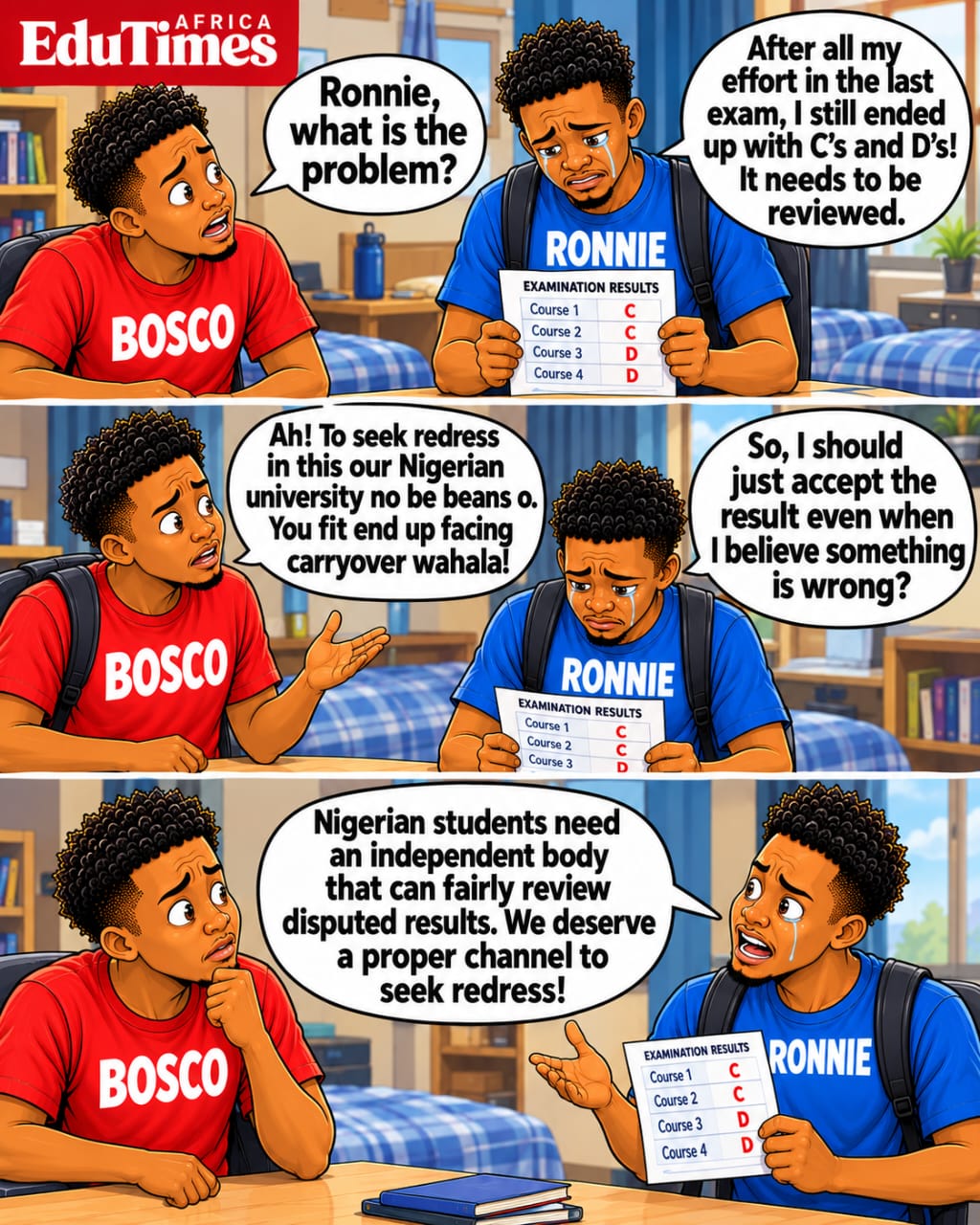
University management must maintain constructive relationships with lecturers, staff unions, students, government agencies and other stakeholders.
Poor communication and unresolved disagreements can disrupt academic activities and affect the university community.

In conclusion, addressing these challenges requires effective leadership, adequate funding, accountability and collaboration among stakeholders.
Stronger university systems can improve learning, support research and contribute to Africa’s development.














 EduTimes Africa, a product of Education Times Africa, is a magazine publication that aims to lend its support to close the yawning gap in Africa's educational development.