

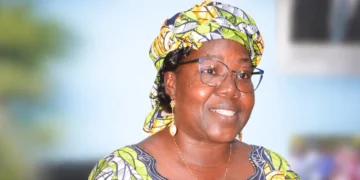

















































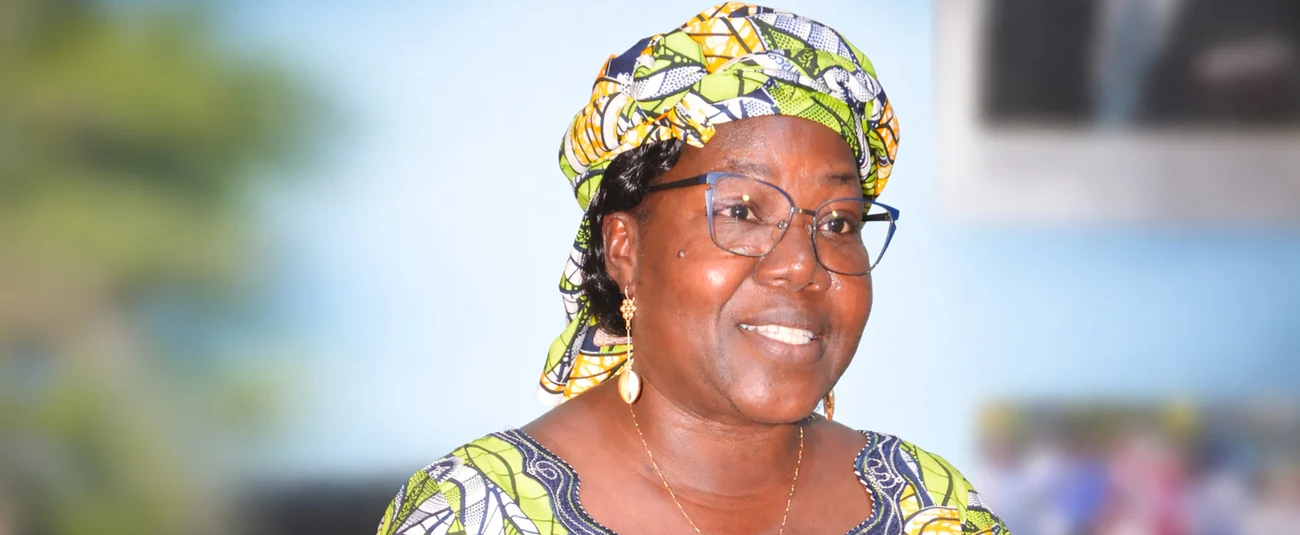


In a region where access to quality education remains limited, Florence Djaoyang is redefining the role of technical and vocational education in driving sustainable development in Cameroon.
As Director of the École Normale d’Instituteurs de l’Enseignement Technique (ENIET) in Maroua, Djaoyang is spearheading efforts to strengthen teacher training and expand access to skills-based education—particularly in the underserved Far North region.
Since assuming leadership in 2021, she has focused on building a pipeline of technically skilled educators who can deliver practical, industry-relevant instruction in secondary schools. This approach directly addresses one of the region’s most pressing education gaps: the shortage of qualified technical teachers.
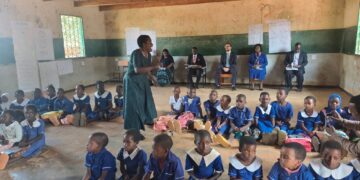
ENIET currently trains nearly 300 students across 12 vocational disciplines, including electrical engineering, industrial maintenance, crop production, and business-related fields. The institution’s model emphasises hands-on learning, ensuring that graduates are not only employable but also capable of transferring practical knowledge to future learners.

However, the broader education context presents structural challenges. Despite housing a significant portion of the population, the Far North region has disproportionately low access to technical schools and trained instructors. Limited infrastructure, inadequate workshop facilities, and shortages of specialised teachers continue to constrain the quality of technical education delivery.
Djaoyang’s leadership highlights a critical education policy issue: the need to align teacher training with labour market demands. By prioritising vocational pedagogy and competency-based learning, ENIET is contributing to a more responsive and inclusive education system.
Her work also underscores the importance of gender inclusion in education. With over 100 female students enrolled, the institution is actively promoting girls’ participation in technical fields traditionally dominated by men. Through mentorship and leadership by example, Djaoyang is helping to close gender gaps in skills acquisition and professional pathways.
A major boost to this effort is expected from the CAP2E programme, funded by the African Development Bank Group. The initiative aims to strengthen technical and vocational education systems by improving infrastructure, updating training equipment, and enhancing curriculum delivery to meet industry standards.
For institutions like ENIET, such investments are critical. Improved facilities and resources will enable more effective practical training, better learning outcomes, and stronger links between education and employment.
Beyond infrastructure, Djaoyang’s vision reflects a broader educational philosophy—one that positions teachers as agents of transformation. By equipping educators with both technical expertise and leadership capacity, she is fostering a multiplier effect that extends far beyond the classroom.
Her work offers a compelling case study for education reform in Africa: that strengthening teacher training institutions, investing in vocational education, and prioritising inclusivity can significantly improve learning outcomes and socio-economic mobility.
In a region facing complex educational challenges, Florence Djaoyang’s approach demonstrates that targeted, skills-oriented education can open pathways for youth empowerment, workforce development, and long-term national growth.












 EduTimes Africa, a product of Education Times Africa, is a magazine publication that aims to lend its support to close the yawning gap in Africa's educational development.