






















































Students of Olabisi Onabanjo University are no longer applying for leave of absence due to financial difficulties, following the introduction of the Federal Government’s student loan scheme.
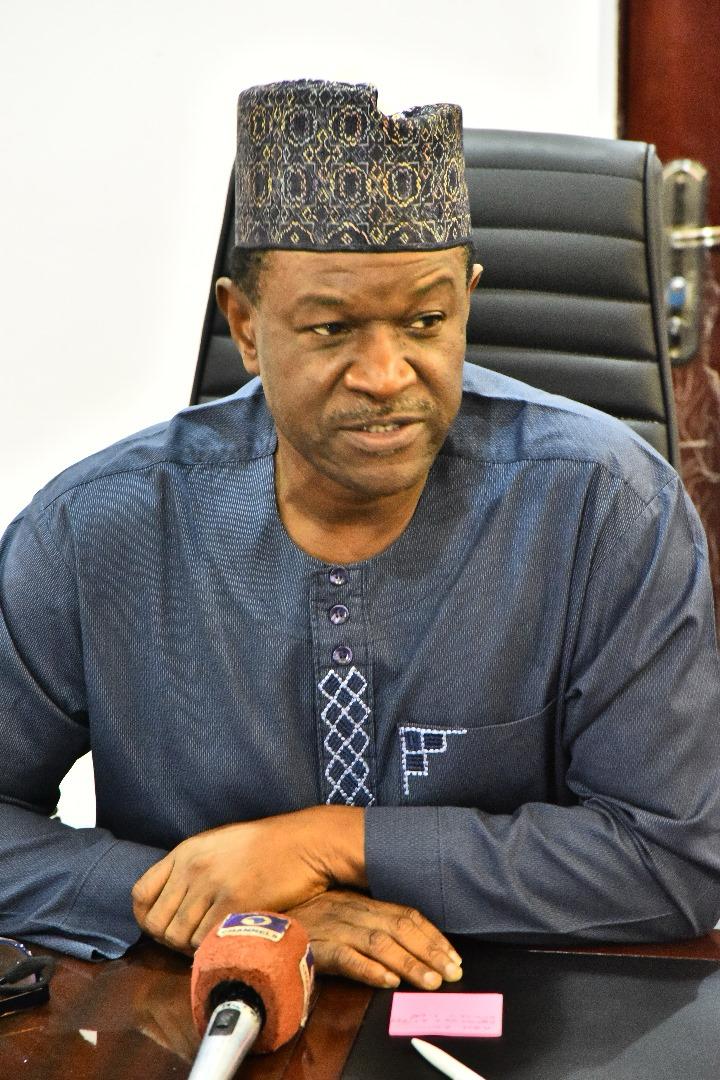
Minister of Education, Tunji Alausa, disclosed this in Abuja, noting that the number of such requests dropped from about 3,000 annually to zero.

According to him, before the scheme, thousands of students at OOU were forced to suspend their studies each year due to inability to pay tuition and other academic expenses.
He explained that with access to the loan facility, students can now remain in school and complete their programmes without interruption.

“It’s not as if they’re getting political appointments… those students would apply because they don’t have money to continue their education,” Alausa said, recounting a conversation with the university’s Vice-Chancellor.
He added that in the last two years, the institution has recorded zero applications for leave of absence linked to financial struggles.
The loan scheme, managed by the Nigerian Education Loan Fund, was launched on May 24, 2024, to provide interest-free loans to indigent students in public tertiary institutions.
As of March 28, 2026, the fund has disbursed over N227.5 billion to more than 1.3 million students across 282 institutions.
A breakdown shows that N146 billion was paid for institutional fees, while N80 billion covered students’ upkeep allowances.
Managing Director of NELFUND, Akintunde Sawyerr, assured that no eligible student would be prevented from sitting examinations due to financial constraints.
He said the scheme was designed to remove barriers to higher education through interest-free loans with flexible repayment terms, while maintaining strict processes to ensure accountability.
The Federal Government says it expects similar results in other institutions as more students take advantage of the scheme.







 EduTimes Africa, a product of Education Times Africa, is a magazine publication that aims to lend its support to close the yawning gap in Africa's educational development.