

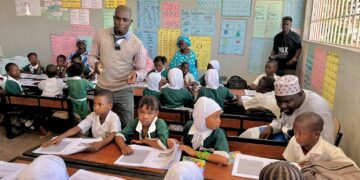



















































Thousands of children in Lagos State who are currently out of school could soon find their way back to the classroom.
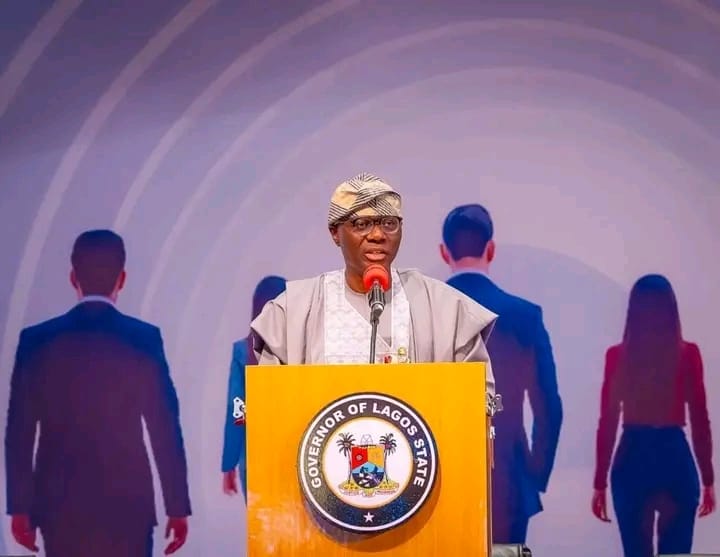
Governor Babajide Sanwo-Olu has announced plans to introduce stricter measures to ensure school-age children are in school during learning hours.
The governor said he would issue an executive order banning children from roaming the streets between 8:00 a.m. and 4:00 p.m., except for valid reasons.
According to him, the move is part of broader efforts to tackle the problem of out-of-school children and ensure that every child of school age is enrolled and attending school regularly.

Sanwo-Olu made the announcement during the launch of the Lagos Education Access Fund (LEAF) and the inauguration of the Lagos State Universal Basic Education Board.
At the centre of the initiative is a $25 million outcomes-based education fund, developed in partnership with the Education Outcomes Fund and other development partners.
The programme is expected to support more than 200,000 children across the state.
Out of this number, over 50,000 out-of-school children aged six to 14 will be targeted for enrolment through community outreach programmes designed to remove barriers preventing them from attending school.
Another 150,000 pupils already in school will benefit from programmes aimed at strengthening literacy and numeracy skills, ensuring that classroom attendance leads to real learning.
“This initiative is not just about funding education; it is about ensuring every investment translates into real learning, real opportunity, and measurable outcomes for our children,” Sanwo-Olu said.
The programme builds on Project Zero, an intervention launched in 2021 that has already helped return more than 36,000 children to formal education across Lagos.
Recognising that financial hardship often forces children out of school, the government has also supported over 360 parents and guardians with vocational training in areas such as fashion designing, soap making, catering, and hairdressing to help improve household income and sustain children’s education.
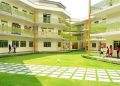
Sanwo-Olu also highlighted the state’s investment in education infrastructure, noting that Lagos has built more schools and classrooms in the last seven years than were delivered in the previous two decades.
“In one school complex alone, we are handing over 35 schools with capacity for close to 20,000 students,” he said.
He stressed that improving education requires collaboration beyond government, thanking partners including the Children’s Investment Fund Foundation, the Federal Ministry of Education, the Ministry of Foreign Affairs of Japan, and the Education Outcomes Fund.
At the event, Sanwo-Olu also inaugurated the new LASUBEB board, appointing Hakeem Shittu to lead the agency.
Shittu said the board would focus on three priorities: bringing vulnerable children back to school, improving learning outcomes, and ensuring accountability in education spending.
“It is not enough for children to sit in classrooms. They must learn,” he said.
For many families and students in Lagos, the initiative represents a renewed push to ensure that access to school leads to meaningful education and better opportunities for the future..











 EduTimes Africa, a product of Education Times Africa, is a magazine publication that aims to lend its support to close the yawning gap in Africa's educational development.