





















































For students looking at fresh universities with big ambitions, Northwest University, Sokoto, is quickly proving that age isn’t everything.
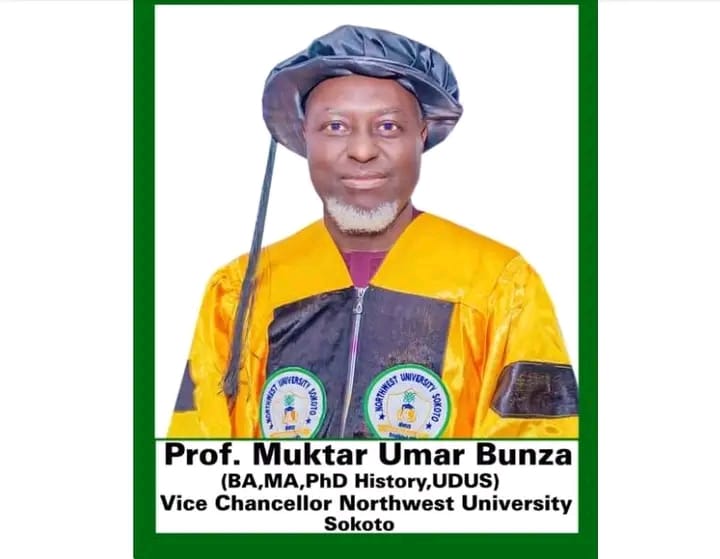
Barely three and a half years after opening its doors, the university is already turning heads with its rapid academic growth and global-minded approach, according to Vice Chancellor Professor Mukhtar Umar Bunza.
Speaking with journalists in Sokoto on Friday, Professor Bunza highlighted the steady progress the institution has made in developing programmes and building academic capacity.
“This university is just three and a half years old, yet the level of development we have achieved is commendable,” he said.

In the past two months alone, 13 teams from the National Universities Commission (NUC) visited the campus to evaluate its programmes, staff, and facilities — a key step for any university aiming for recognition and credibility. But accreditation doesn’t stop there.
The university is also hosting the Librarians’ Registration Council of Nigeria (LRCN), led by Professor Ambassador Jaafar Wasi, to professionally assess the Library and Information Science programme.
“Every academic programme must also undergo assessment by its relevant professional or regulatory body. The LRCN team is here to check how our Library and Information Science programme aligns with national standards,” Bunza explained.
He expressed confidence in the process, noting that the visiting professionals engaged extensively with the faculty and praised the quality of instruction and facilities.
The Vice Chancellor also gave a glimpse into the university’s structure: five faculties currently offer 17 academic programmes. Of these, 13 are fully mature and ready for accreditation, while the newer programmes in the College of Health Sciences are expected to undergo accreditation by next year.
For students, this means that even as a relatively young institution, Northwest University is building credibility and ensuring that their degrees meet both national and professional standards.
Bunza reaffirmed the university’s commitment to high academic standards, regulatory compliance, and continuous development, promising a learning environment that is globally competitive and professionally relevant.
For aspiring undergraduates, this is a reminder that newer universities can also offer strong academic foundations, access to growing facilities, and opportunities to be part of a campus on the rise — a space where their education is taken seriously, even as the university continues to grow.














 EduTimes Africa, a product of Education Times Africa, is a magazine publication that aims to lend its support to close the yawning gap in Africa's educational development.